

Wetsuits for Water Sports
A wetsuit is an essential piece of gear for any water sport, providing thermal insulation, protection from wind and UV exposure, as well as shielding against minor impacts and abrasions.
Made from flexible neoprene, it traps a thin layer of water between your body and the suit. This layer warms up and helps maintain a stable core temperature, allowing you to stay on the water longer and comfortably extend your season into cooler conditions.
In our range, you’ll find men’s, women’s and kids’ wetsuits in various thicknesses, cuts and lengths — suitable for SUP, wing foiling, kitesurfing, surfing, open-water swimming and other water sports.
WETSUITS
Full wetsuits, shorty wetsuits and Long John styles designed for different water temperatures and sports. Choose the right thickness and cut based on the season, your activity and the conditions you ride in.


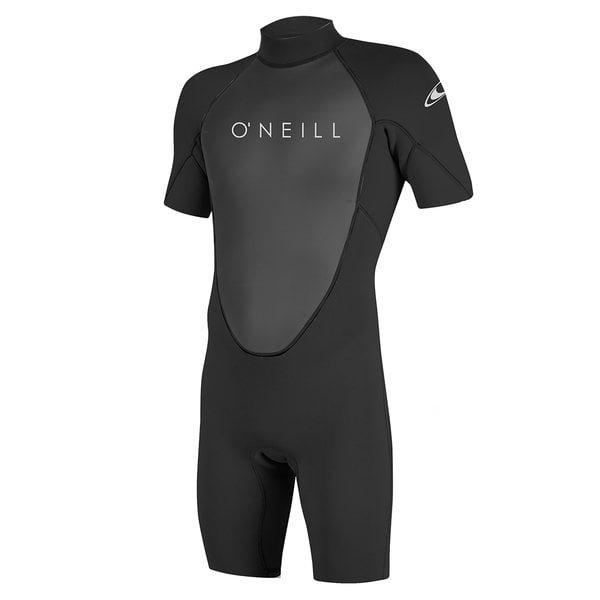


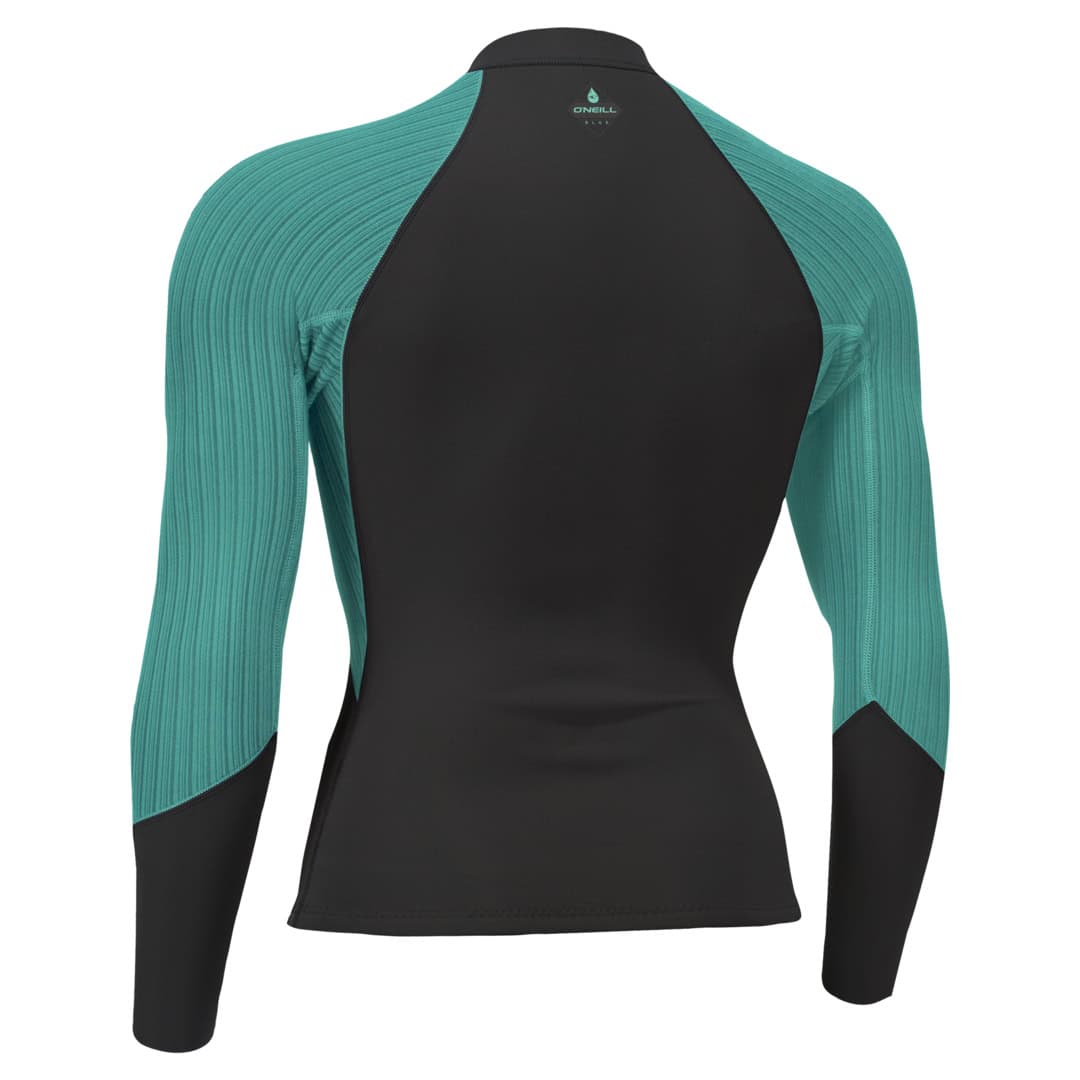
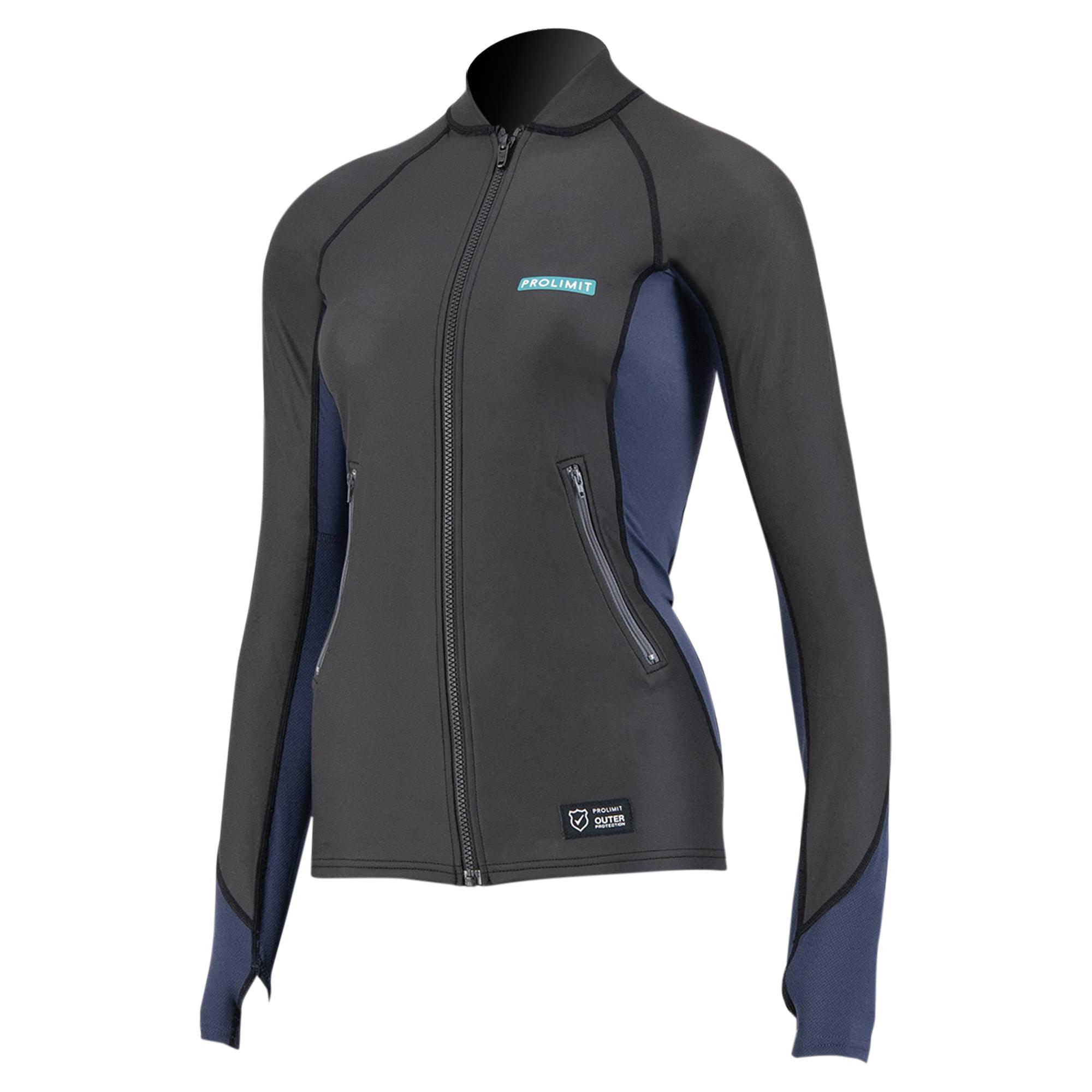
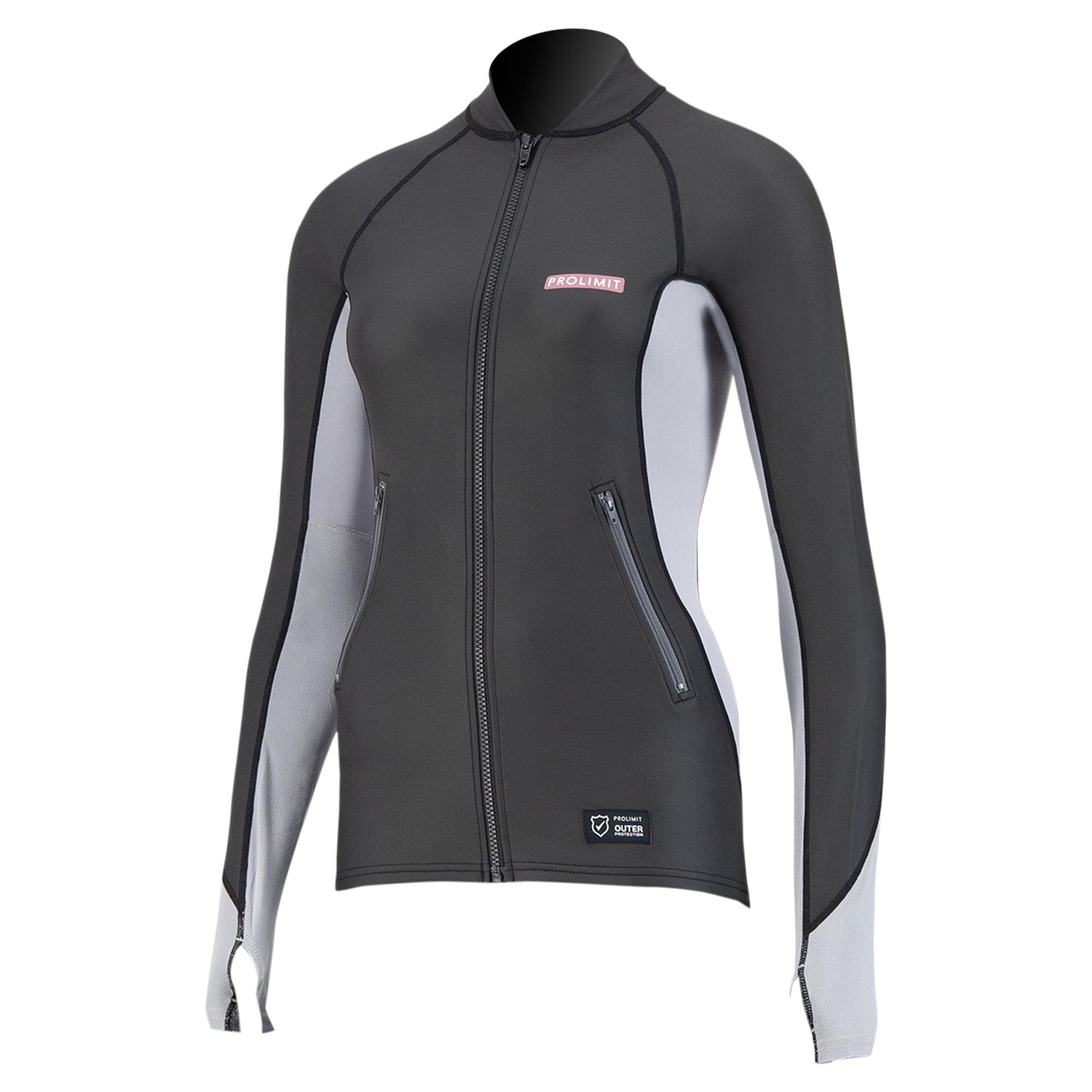
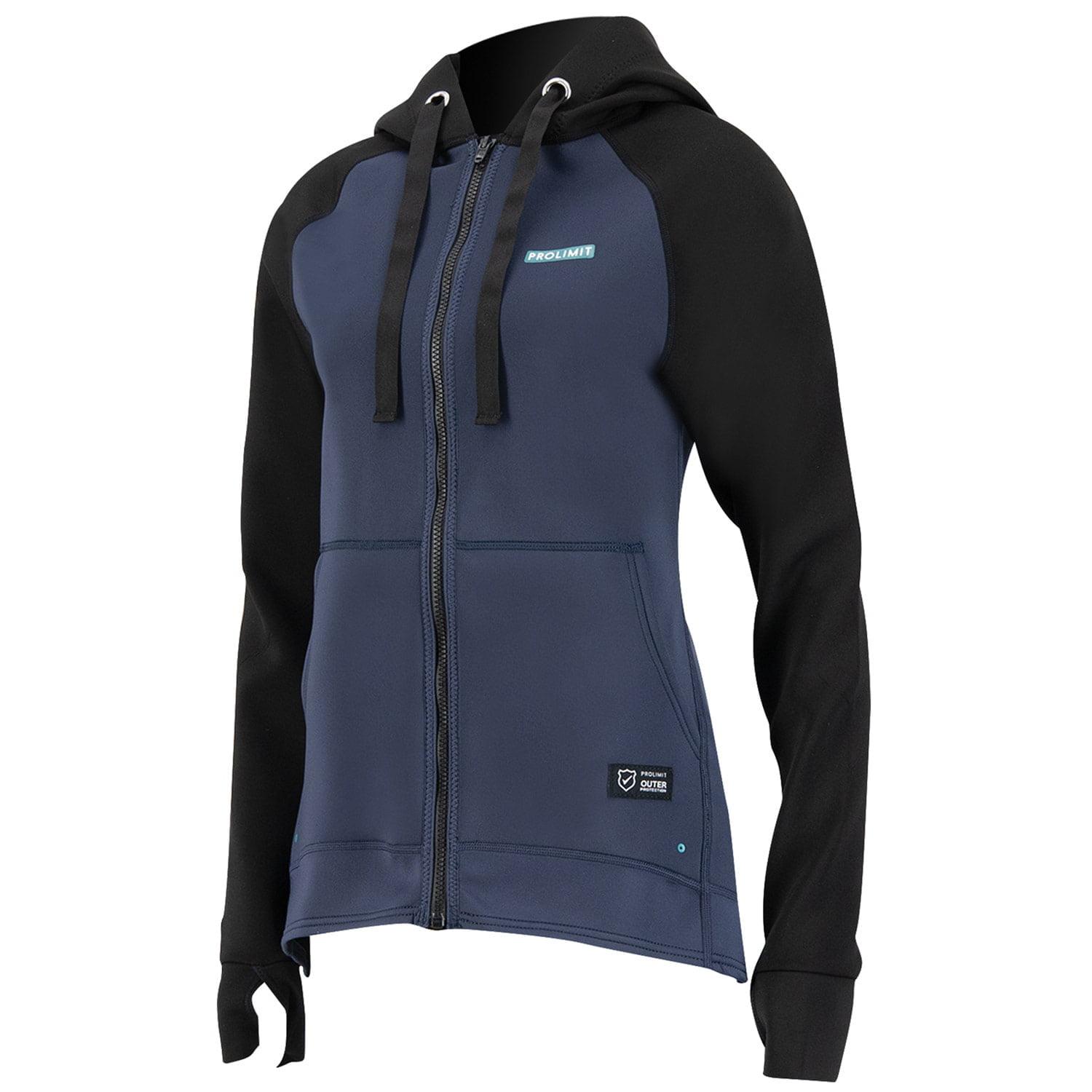
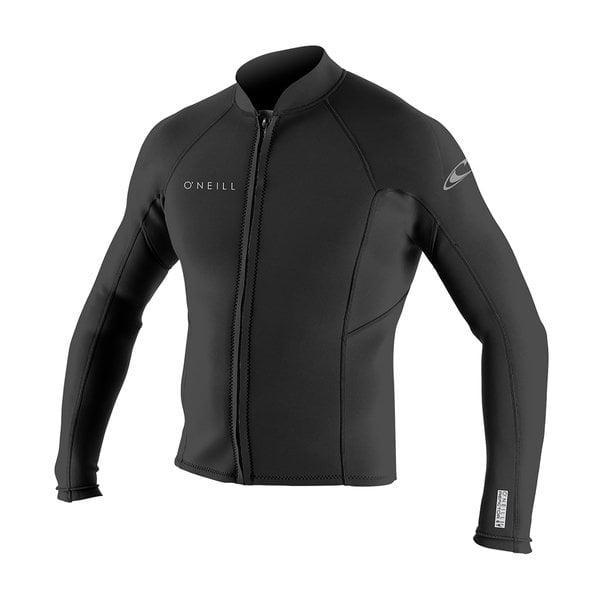
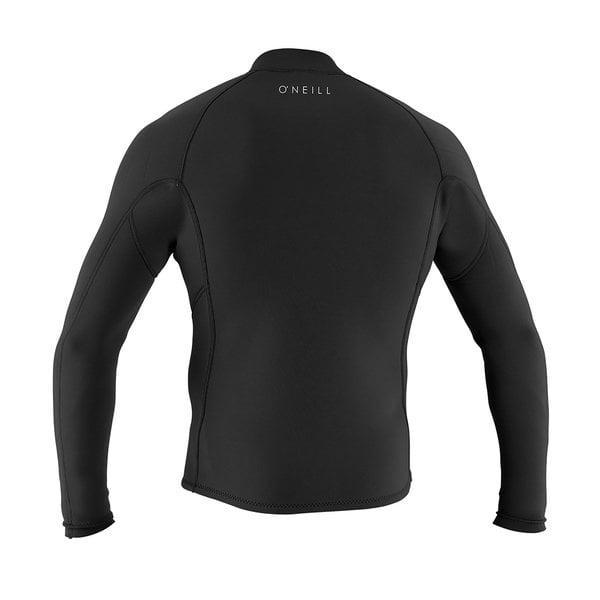
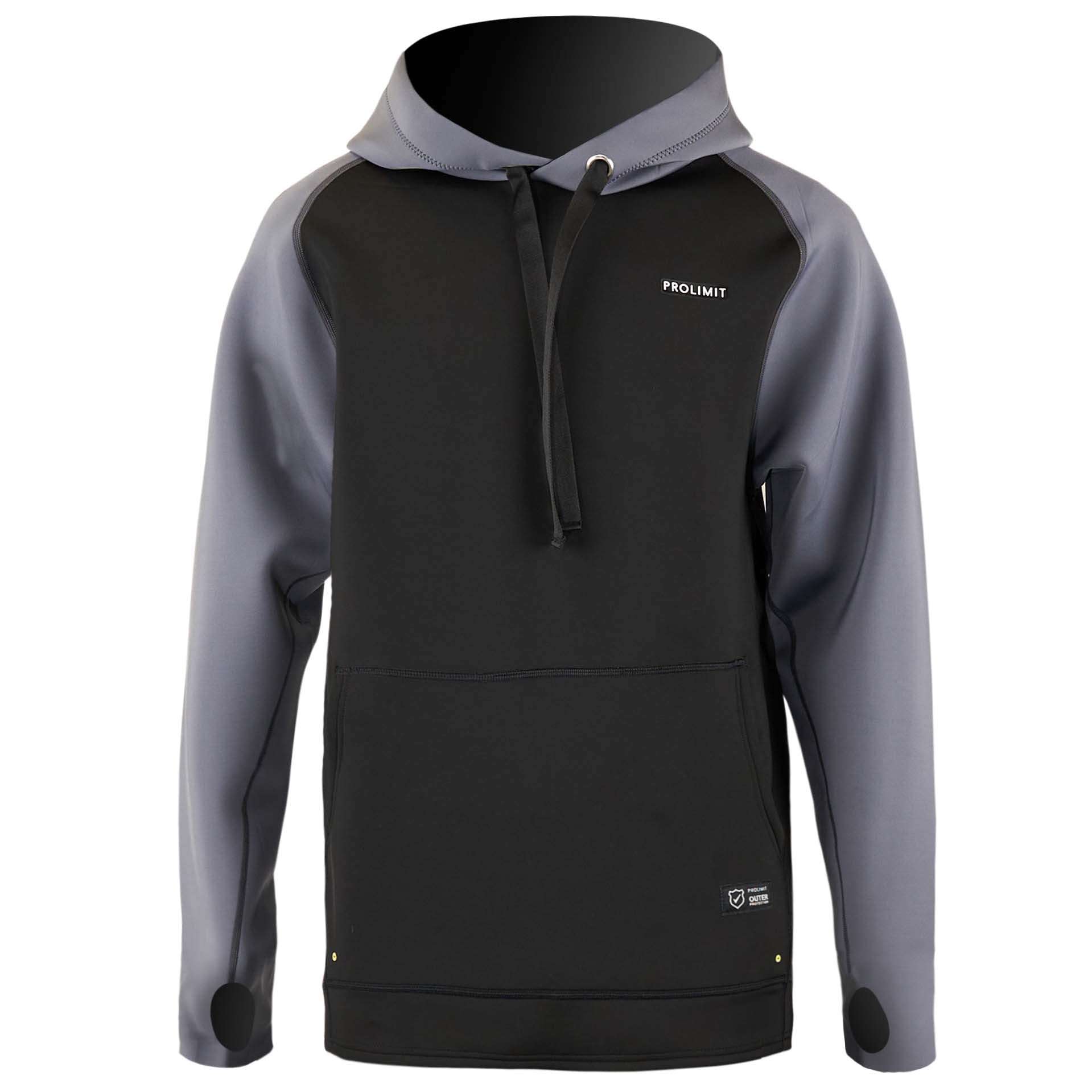
Neoprene Tops
Ideal for transitional seasons or as an additional layer. Neoprene tops provide protection from cold, wind and sun while maintaining full freedom of movement on the water.
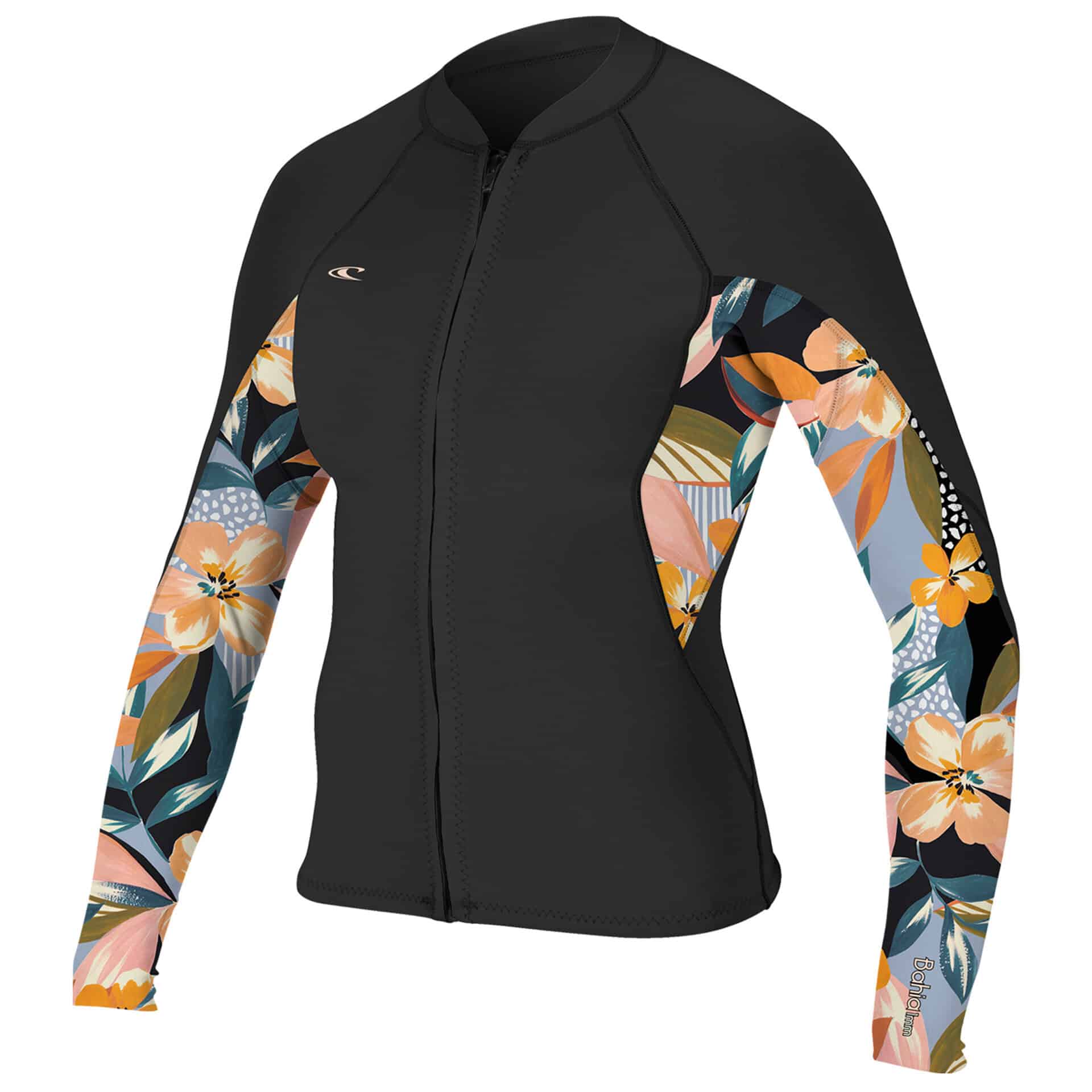

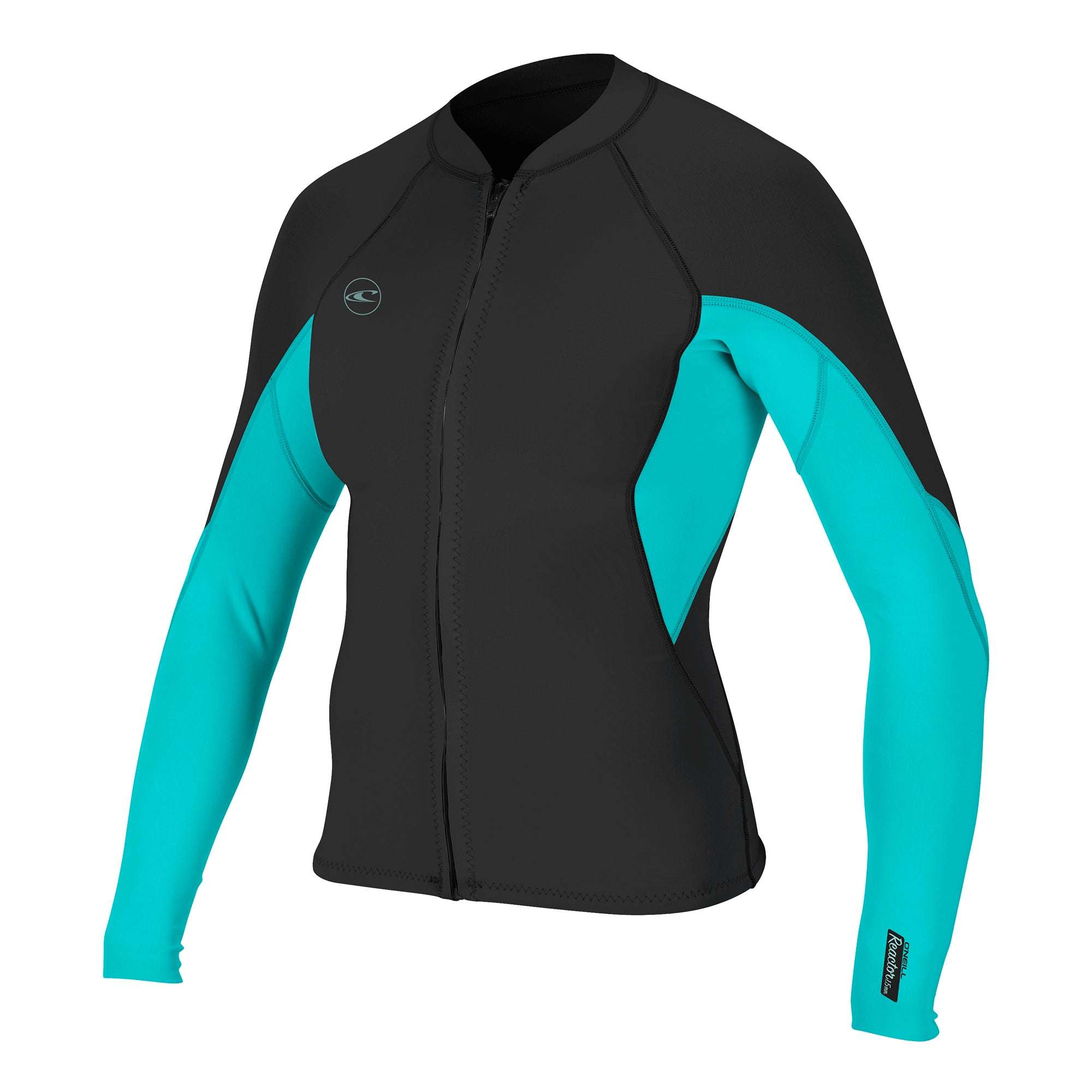
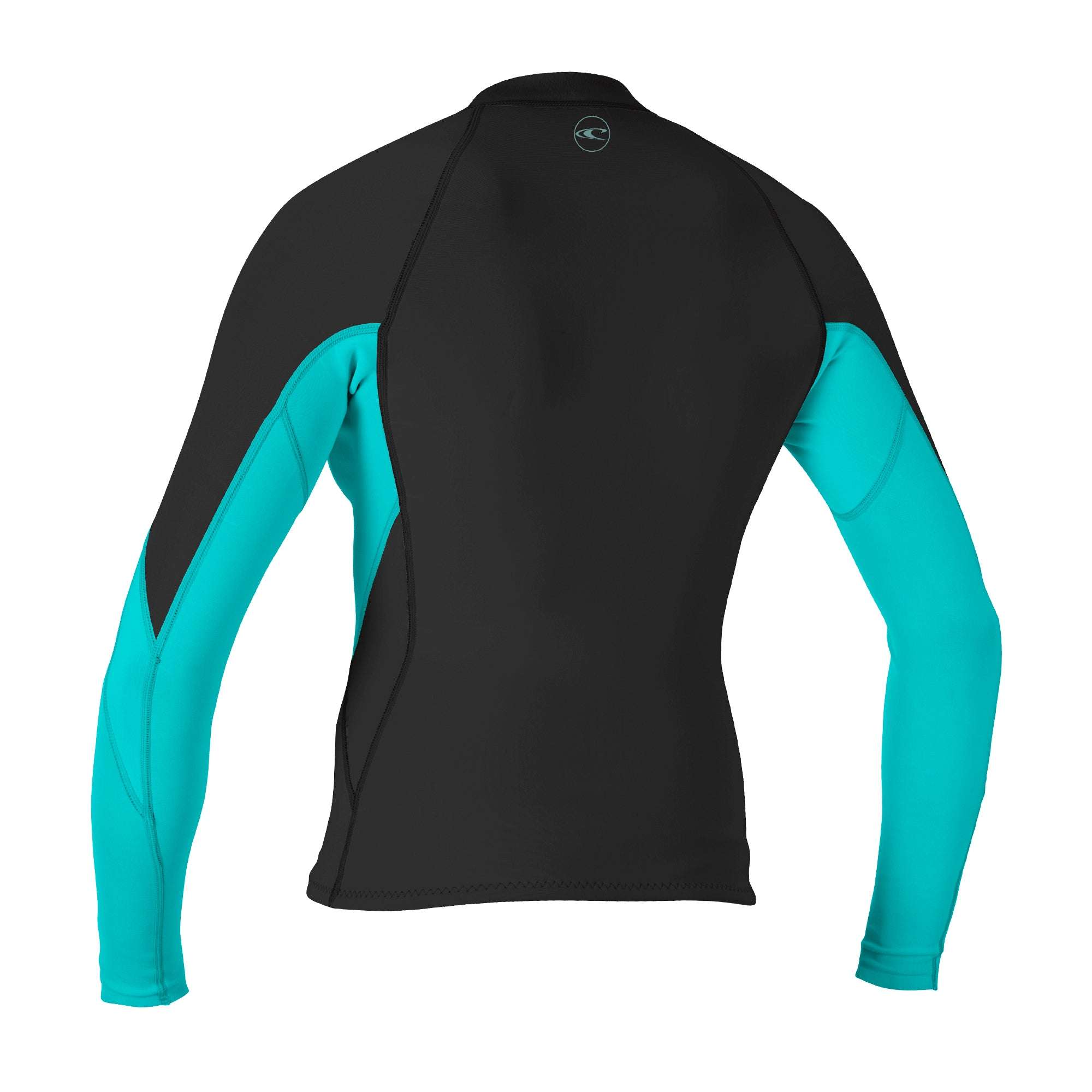



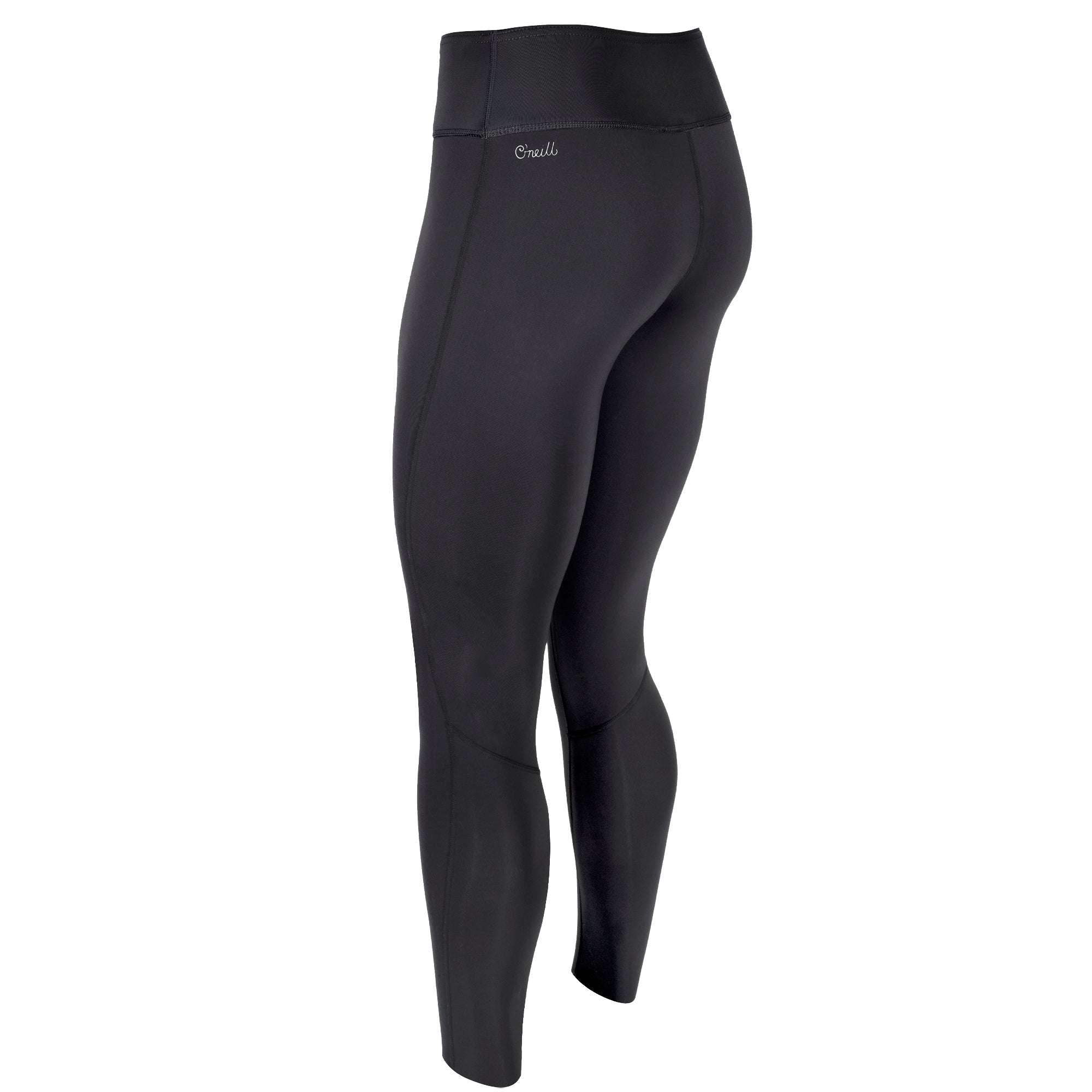
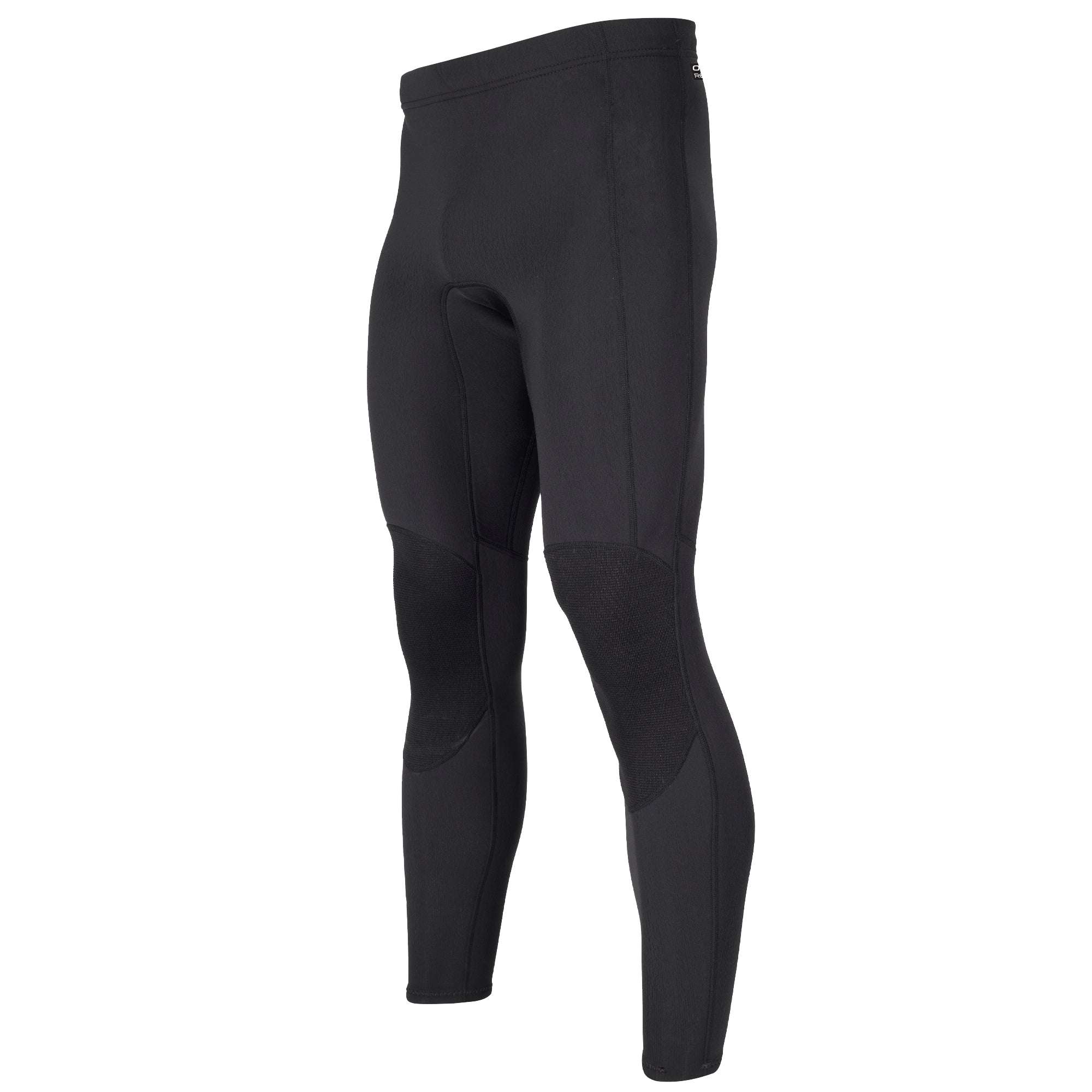
Neoprene Pants
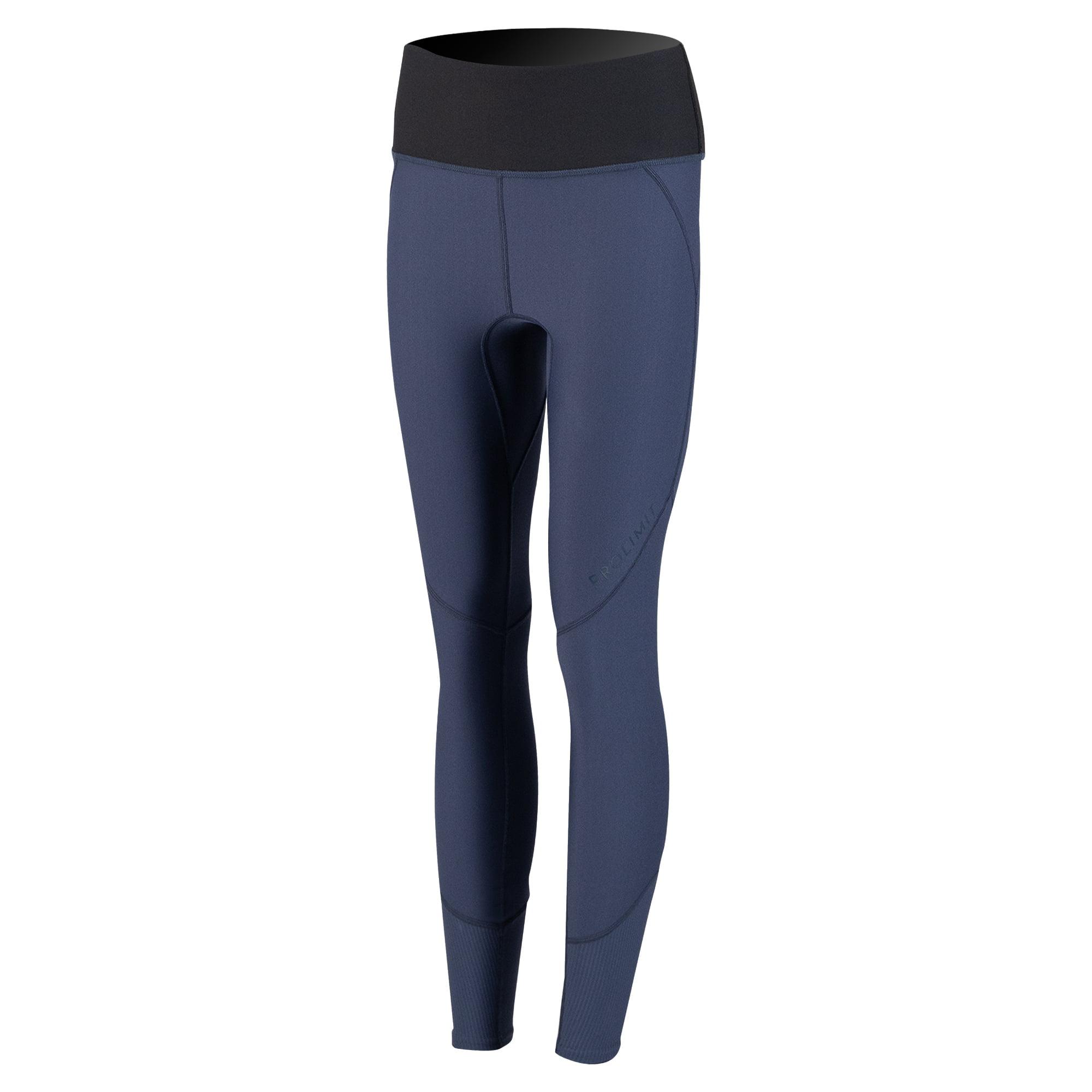
A great choice for paddleboarding, surfing and other water sports when you don’t need a full wetsuit. Warmth where you need it most — without unnecessary bulk.




Kids’ Wetsuits
Designed for longer play, learning and water adventures. Kids’ wetsuits are tailored to smaller bodies and active movement — providing extra warmth, comfort and more time on the water.


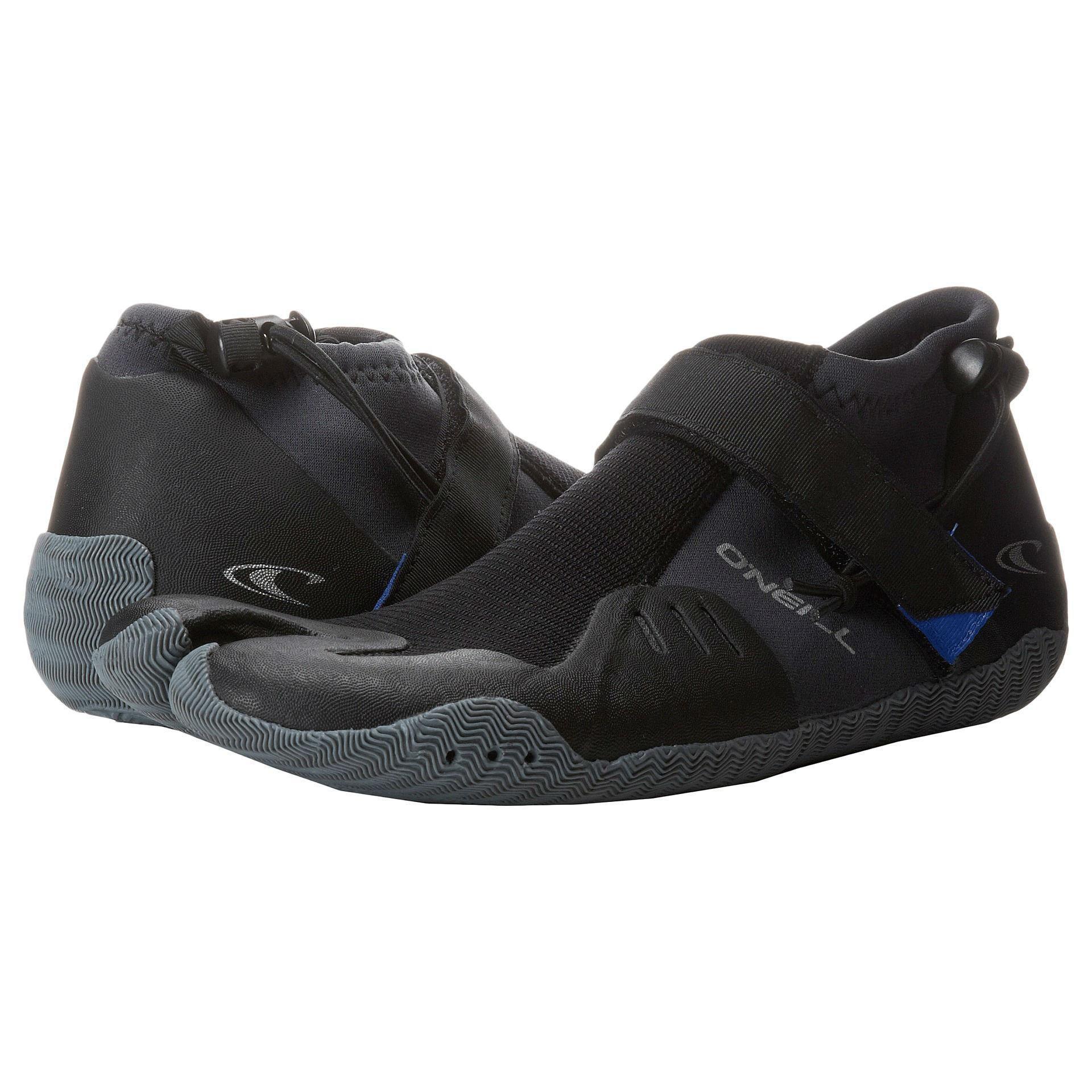
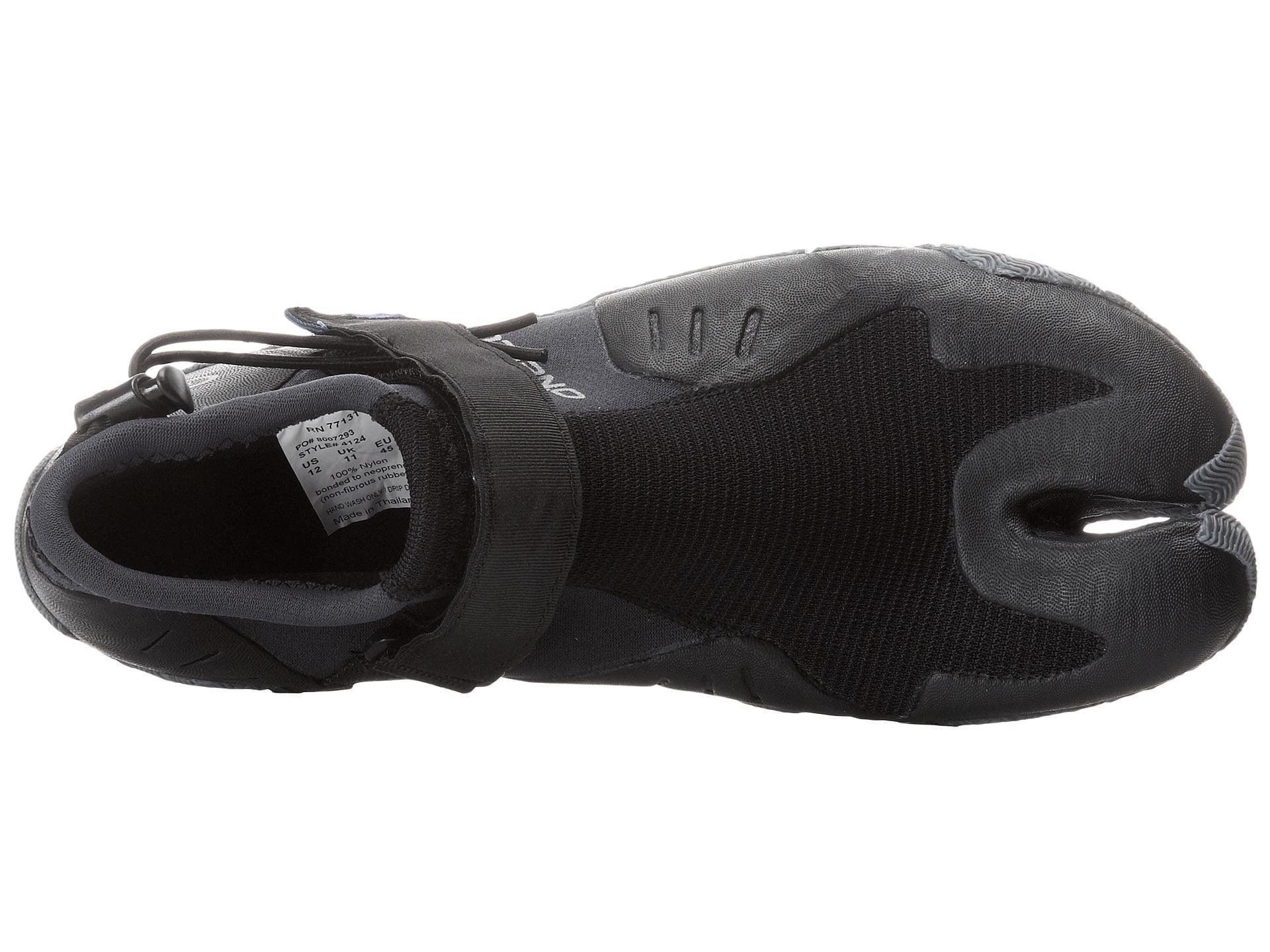
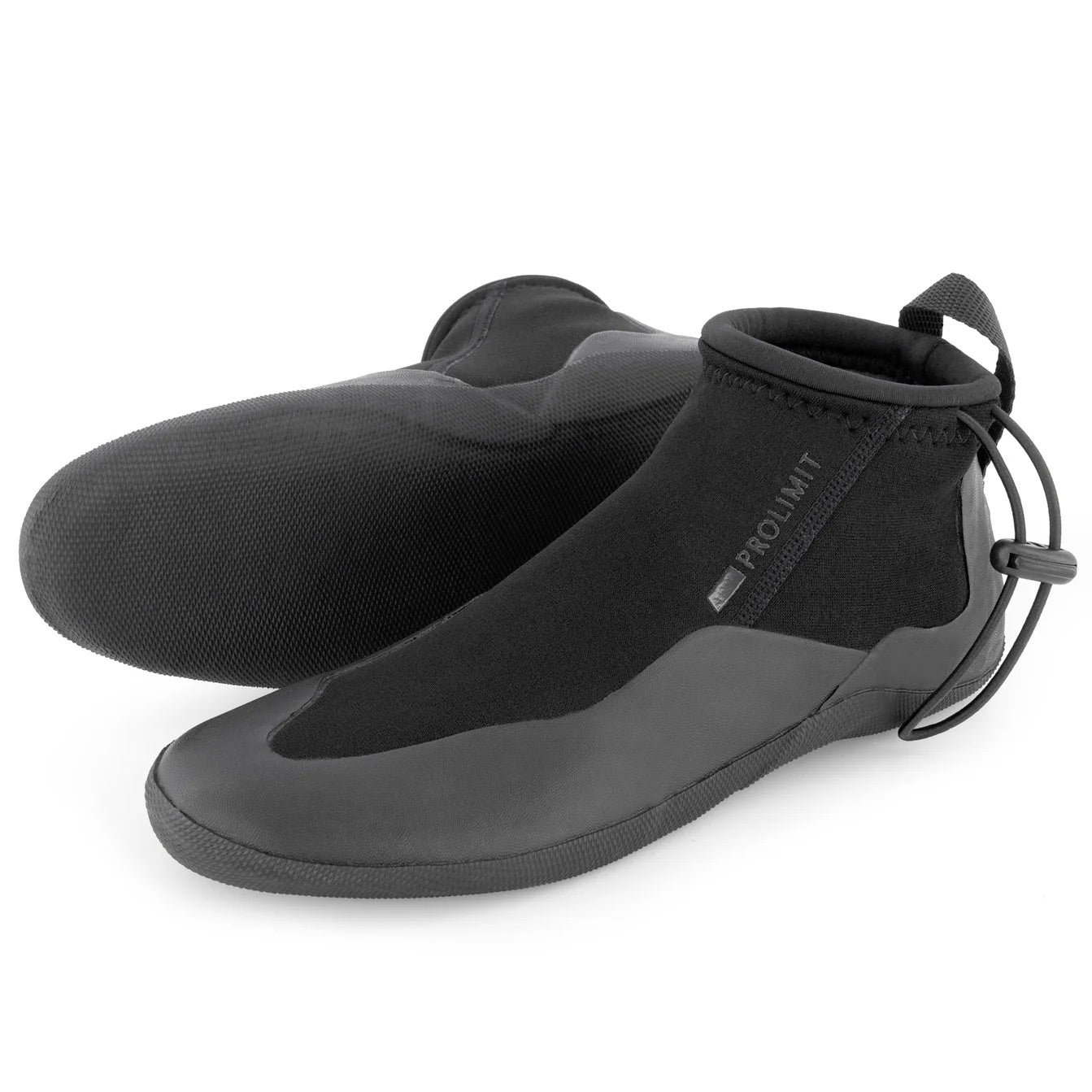
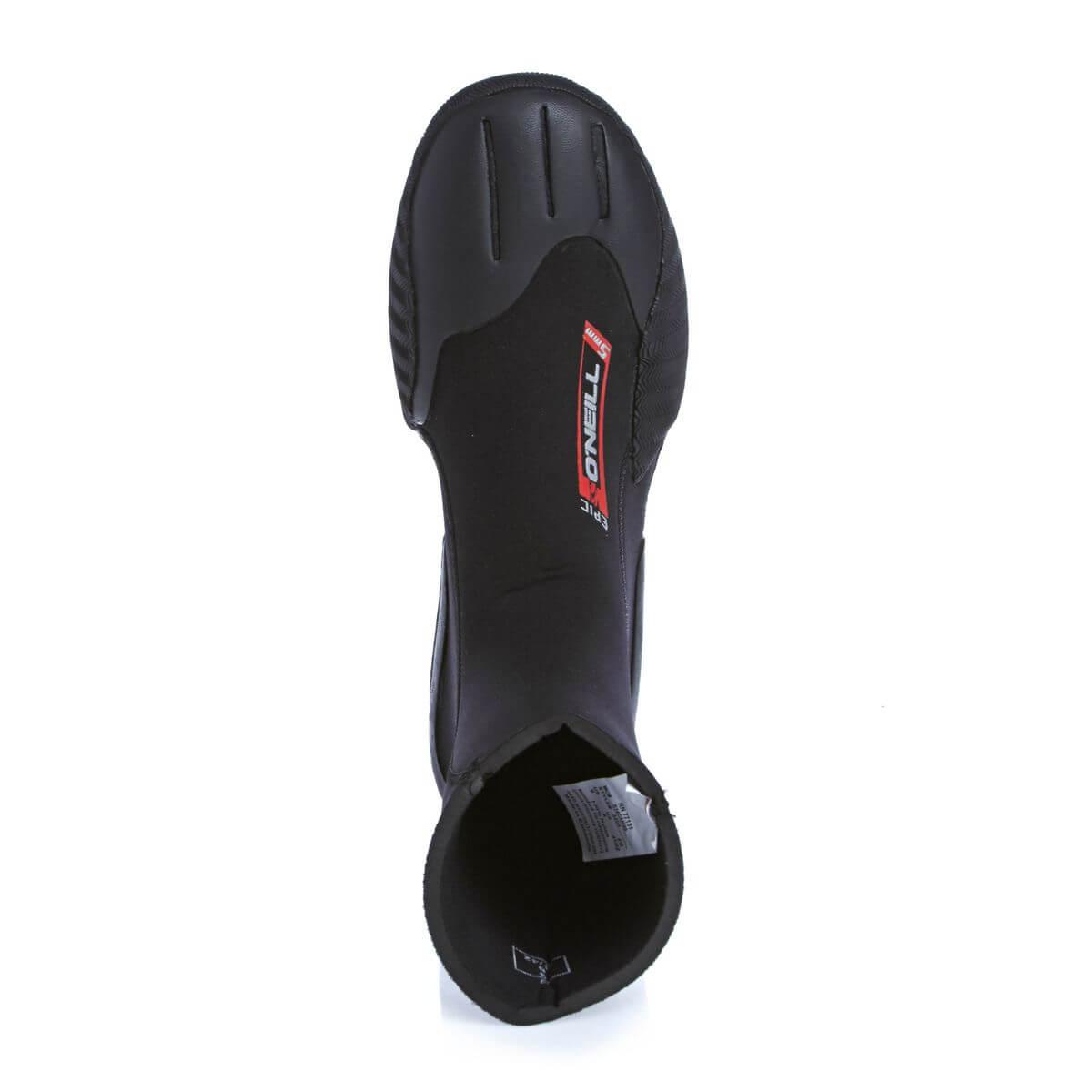
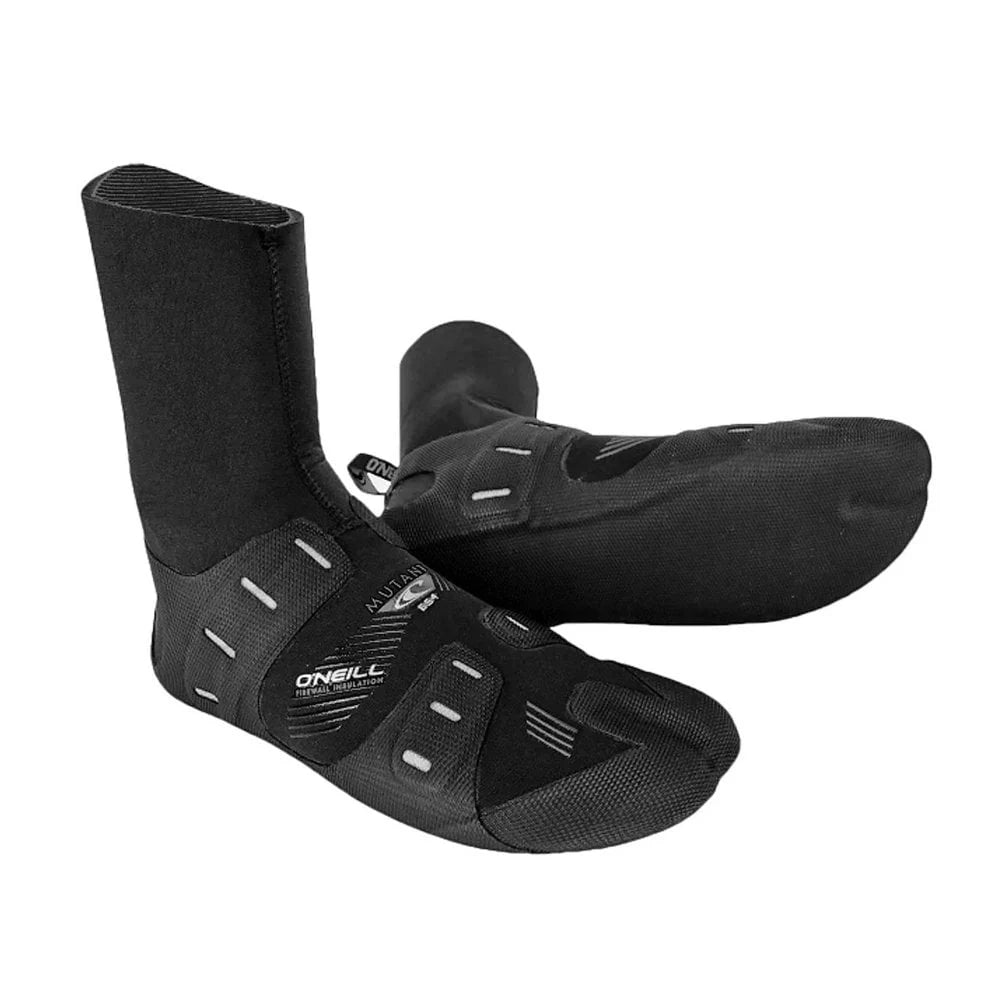
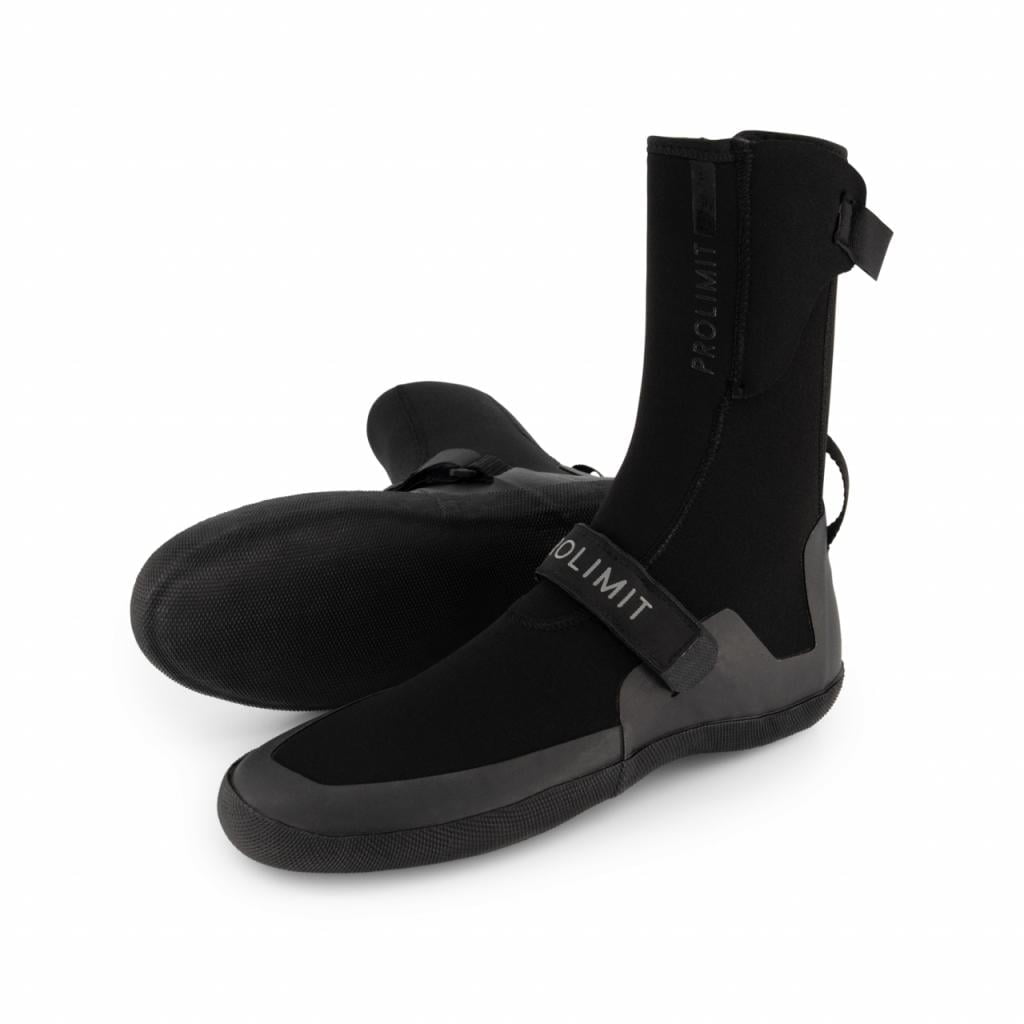
Wetsuit Boots
For warmth, grip and foot protection on the water. Choose low-cut, thinner wetsuit boots for summer conditions or thicker, higher models for colder water and winter sessions.





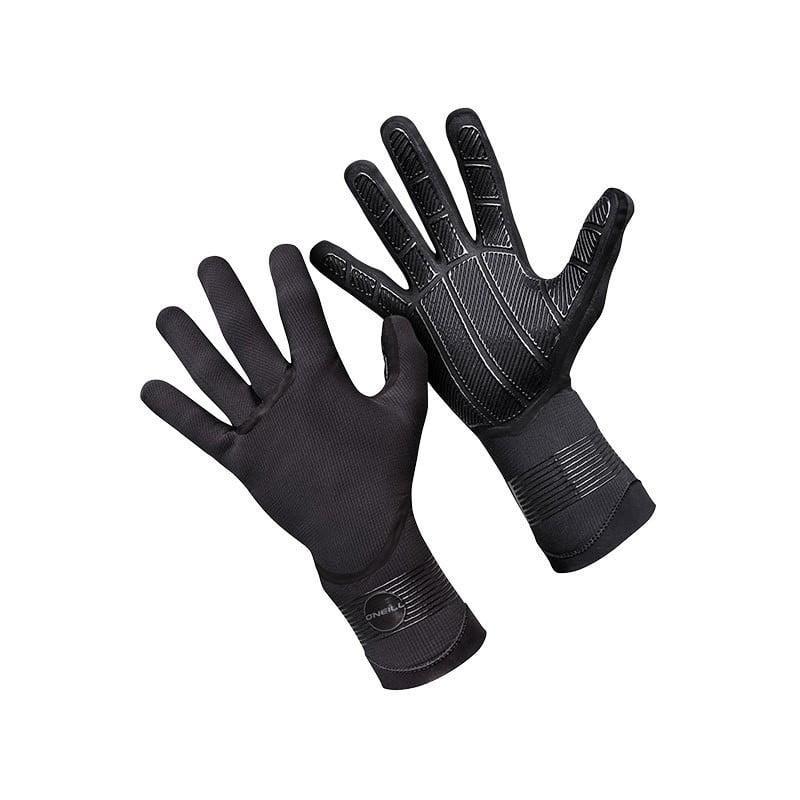
Wetsuit Gloves
When the water gets cold, your hands are the first to lose warmth. Wetsuit gloves improve grip, insulation and control over your equipment — especially in windy conditions, wet sessions and prolonged exposure to cold.


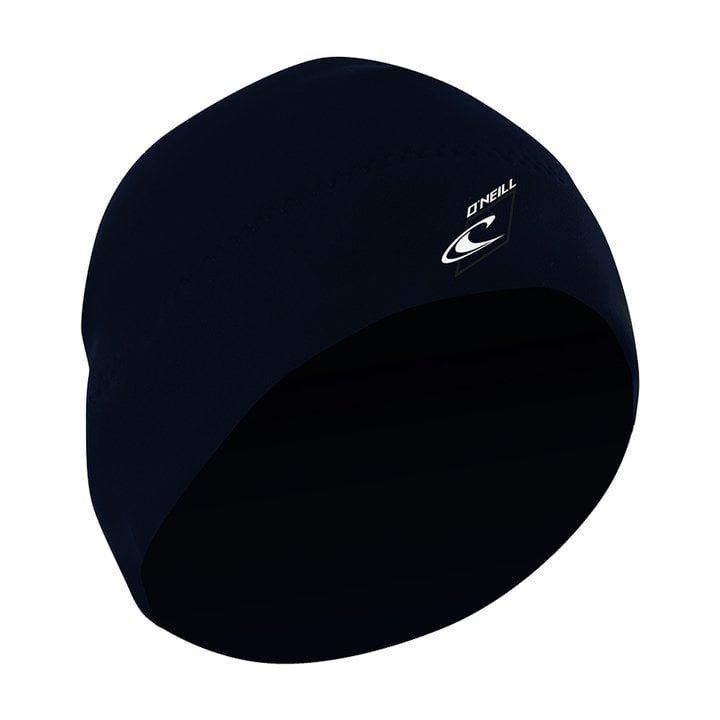
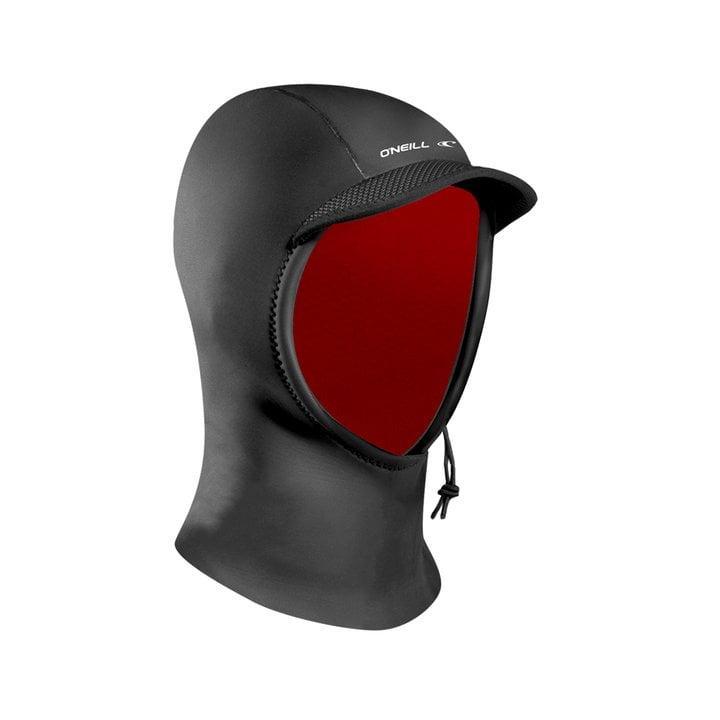
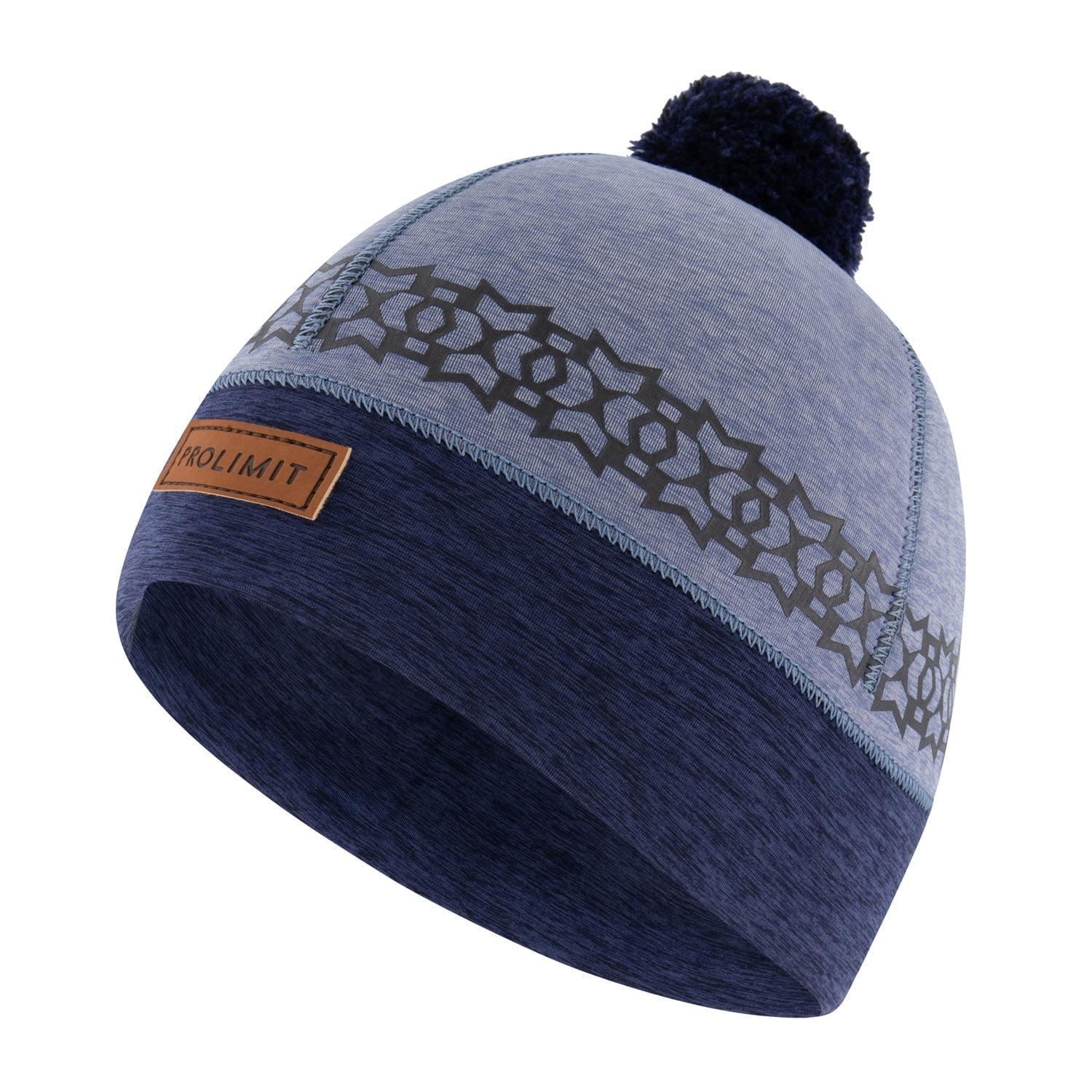
Wetsuit Hoods
A large portion of body heat is lost through the head. Wetsuit caps, headbands and hoods are a simple yet highly effective addition for paddleboarding, swimming and other water sports in colder conditions.

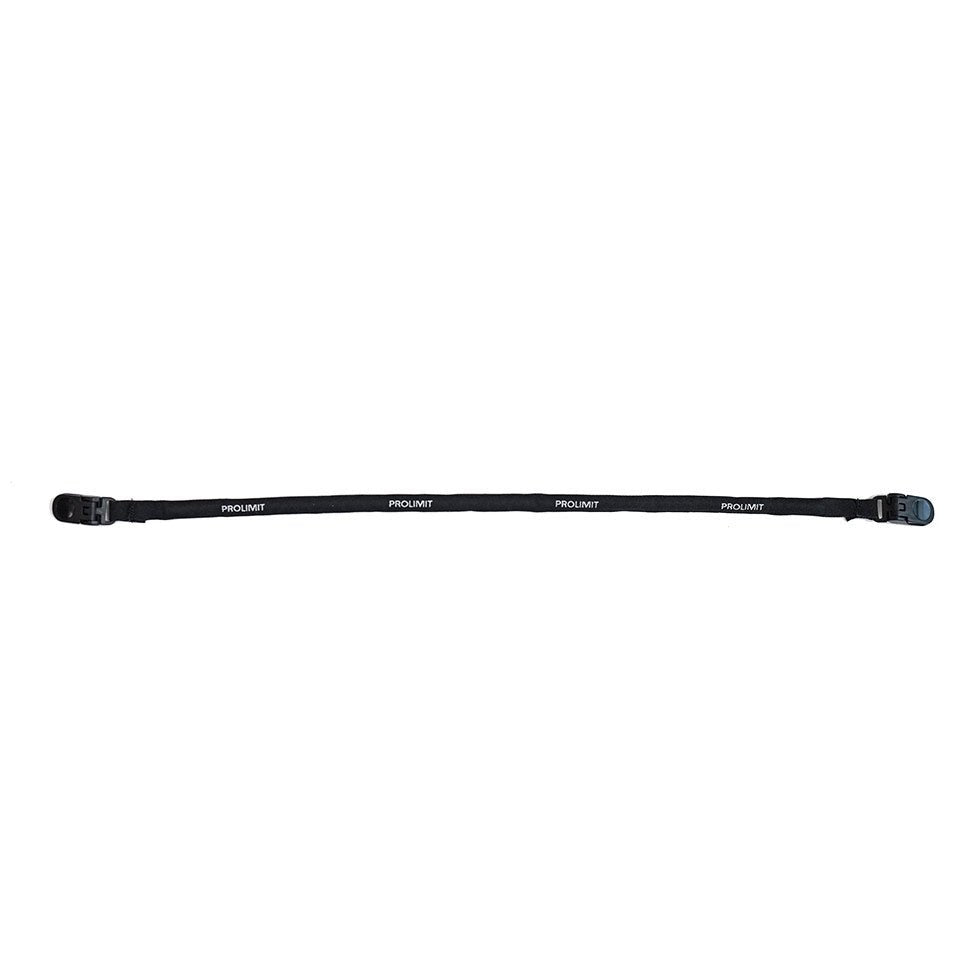


Wetsuit Accessories
For protection, comfort and extended wetsuit lifespan. Wetsuit accessories help keep your suit in place, prevent wear and tear during use, and ensure it’s properly cleaned and maintained after every session on the water.


Thickness, fit and intended use all play a key role in your comfort on the water. Read our guide and choose a wetsuit that matches the water temperature, activity and season.
What Is Neoprene and How Does It Work?
Neoprene is a flexible synthetic material that acts as a thermal barrier. It traps a thin layer of water between the suit and your skin. Your body warms this layer, and the neoprene helps retain it, creating insulation that keeps you comfortable in colder conditions.
Benefits of neoprene:
- Thermal insulation that helps prevent heat loss
- Protection from wind, UV rays and abrasions
- Stretch and flexibility for comfortable movement
- Added safety by cushioning impacts during falls
Thanks to these properties, neoprene is a core piece of equipment across almost all water sports.
Wetsuit Thickness (1 mm – 7 mm)
Choosing the right wetsuit thickness depends on water temperature, the type of activity and your exposure to wind.
Most common thickness options:
- 1–2 mm wetsuit – Summer wetsuit; ideal for very warm water and maximum flexibility
- 3/2 mm wetsuit – Versatile choice for late summer and mild autumn conditions
- 4/3 mm wetsuit – Great for transitional seasons (spring and autumn)
- 5/4 mm wetsuit – Winter wetsuit for colder water and windy conditions
- 6–7 mm wetsuit – Extremely cold water; most commonly used for diving
Summer Wetsuits
Thin wetsuits (1–2 mm) offer excellent flexibility and light protection from wind and UV exposure. Ideal for warm water and tropical conditions.
Winter Wetsuits
Thicker models (5/4 mm and above) provide high thermal insulation for cold water sessions and windy conditions, helping you stay warm and extend your time on the water.
Wetsuit Cuts & Zip Systems
When choosing a wetsuit, thickness isn’t the only factor that matters. The cut and zip system significantly affect warmth retention, water sealing and overall comfort during movement.
Front Zip Wetsuit
A front zip wetsuit offers greater flexibility through the back panel and is especially popular in sports that require unrestricted upper-body movement, such as surfing, SUP and wing foiling. It typically provides a better seal with reduced water flushing.
Back Zip Wetsuit
A back zip wetsuit is easier to put on and take off, making it a common choice for beginners. It offers practical comfort and convenience, especially for recreational use and milder conditions.
Men’s and Women’s Wetsuits
Men’s and women’s wetsuits are designed around different body proportions. The cut and fit directly affect warmth, comfort and freedom of movement during water activities.
Men’s Wetsuits
- Broader shoulders
- Longer torso
- More room in the chest
- Cut designed for typical male body proportions
Women’s Wetsuits
- Narrower shoulders
- More defined waist-to-hip ratio
- Shaped chest panel
- Cut designed for a closer, body-contoured fit
Why Fit Matters
The better a wetsuit fits your body, the less cold water flushes through it. This means:
- Better thermal insulation
- Less cooling between movements
- Greater comfort and flexibility
A properly fitted wetsuit keeps you warmer for longer and allows you to move naturally on the water.
In-Between Sizes (MT, LS, XLS…) – The Advantage of O’Neill Wetsuits
O’Neill offers extended sizing options beyond standard S, M and L, allowing for a much more precise fit:
- MT (Medium Tall) – for taller, lean builds
- MS (Medium Short) – for shorter, stockier builds
- LS (Large Short) – for broader, shorter builds
- XLS / XLS Tall – for robust or very tall builds
These intermediate sizes reduce excess folds, improve insulation and enhance comfort during movement. That’s why an O’Neill wetsuit can often fit significantly better than standard sizing alone.
Wetsuits by Sport – How to Choose the Right Model?
Different water sports require different levels of warmth, flexibility and protection. Choosing the right wetsuit always depends on your activity, water temperature, wind exposure and movement on the board.
Wetsuit for SUP
Stand-up paddleboarding typically involves less wind exposure, especially in summer.
- In warm conditions, a combination of 2 mm neoprene pants and a neoprene top is often sufficient.
- In cooler seasons, a 3/2 mm full wetsuit works well.
- In winter conditions, a 5/4 mm wetsuit provides the necessary insulation.
Wetsuit for Wing Foil
Wing foilers often kneel on the board, so durability and knee protection are important.
- A 3/2 mm or 5/4 mm full wetsuit with reinforced knees is a practical choice.
- In warmer months, long neoprene pants can also be a comfortable option.
Wetsuit for Kitesurfing / Windsurfing
Because of constant wind exposure, slightly thicker suits are commonly used:
- 3/2 mm in summer
- 4/3 mm in spring and autumn
- 5/4 mm in winter
The material should be highly flexible to allow unrestricted upper-body movement.
Wetsuit for Surfing
Surfers often choose O’Neill wetsuits for their stretch, comfort and precise fit.
Thickness depends on location:
- 2 mm in warmer climates
- 3/2 mm to 5/4 mm in most European conditions
Wetsuit for Swimming
A swimming wetsuit must be thinner and extremely flexible, especially around the shoulders, to allow a full and efficient stroke.
Because of the balance between insulation and mobility, a 3/2 mm wetsuit is one of the most common choices — offering enough warmth without restricting arm movement or upper-body rotation.
O’Neill and Prolimit Wetsuits
In our range you’ll find wetsuits from two established brands, each with its own approach to performance, conditions and riding style.
O’Neill Wetsuits
O’Neill is a true pioneer in wetsuit development and has been one of the leading water sports brands for over 70 years.
Their wetsuits are known for advanced materials such as Technobutter, exceptional stretch and anatomically precise fits that provide both comfort and reliable thermal insulation.
O’Neill also offers intermediate sizing options (e.g. MT, MS, LS), allowing for a more tailored fit across different body types — which means better warmth retention and improved performance in the water.
Prolimit Wetsuits
Prolimit is a brand specialised in wind-driven water sports such as kitesurfing, windsurfing and wing foiling.
Their wetsuits are designed to handle strong wind exposure and frequent water impact. As a result, they are durable, warm and built for demanding conditions, offering dependable insulation even when the weather turns challenging.
Wetsuit Accessories
For additional protection in colder conditions, we recommend:
- Neoprene boots
- Neoprene gloves
- Neoprene hoods and headbands
These accessories protect exposed areas of the body and significantly extend your time on the water.
FAQ – Frequently Asked Questions About Wetsuits
If you’re unsure which wetsuit to choose or how to care for it properly, below you’ll find answers to the most common questions about thickness, fit, maintenance and selecting the right model for your activity.