

Neoprene Tops & Jackets
Filters
11 products
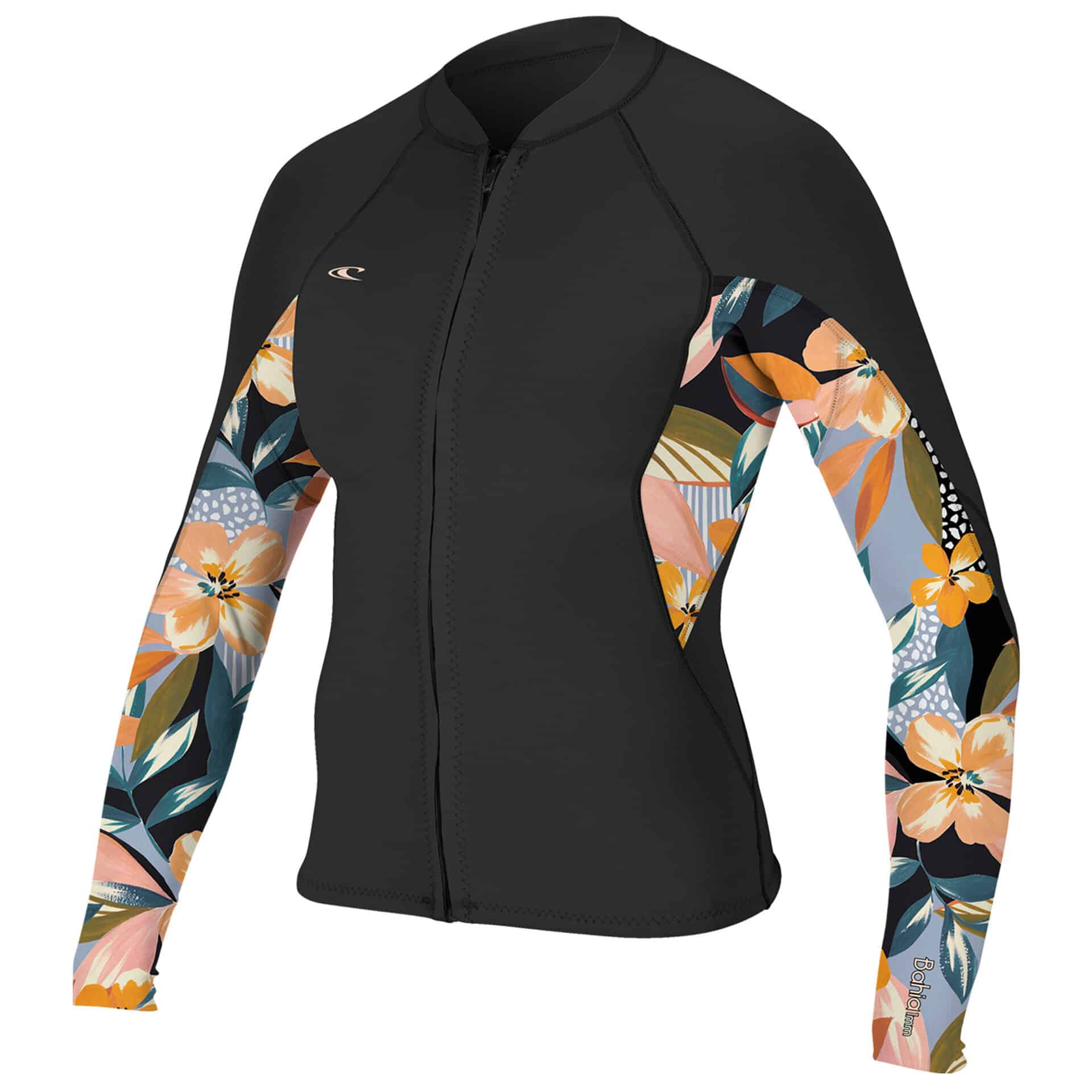

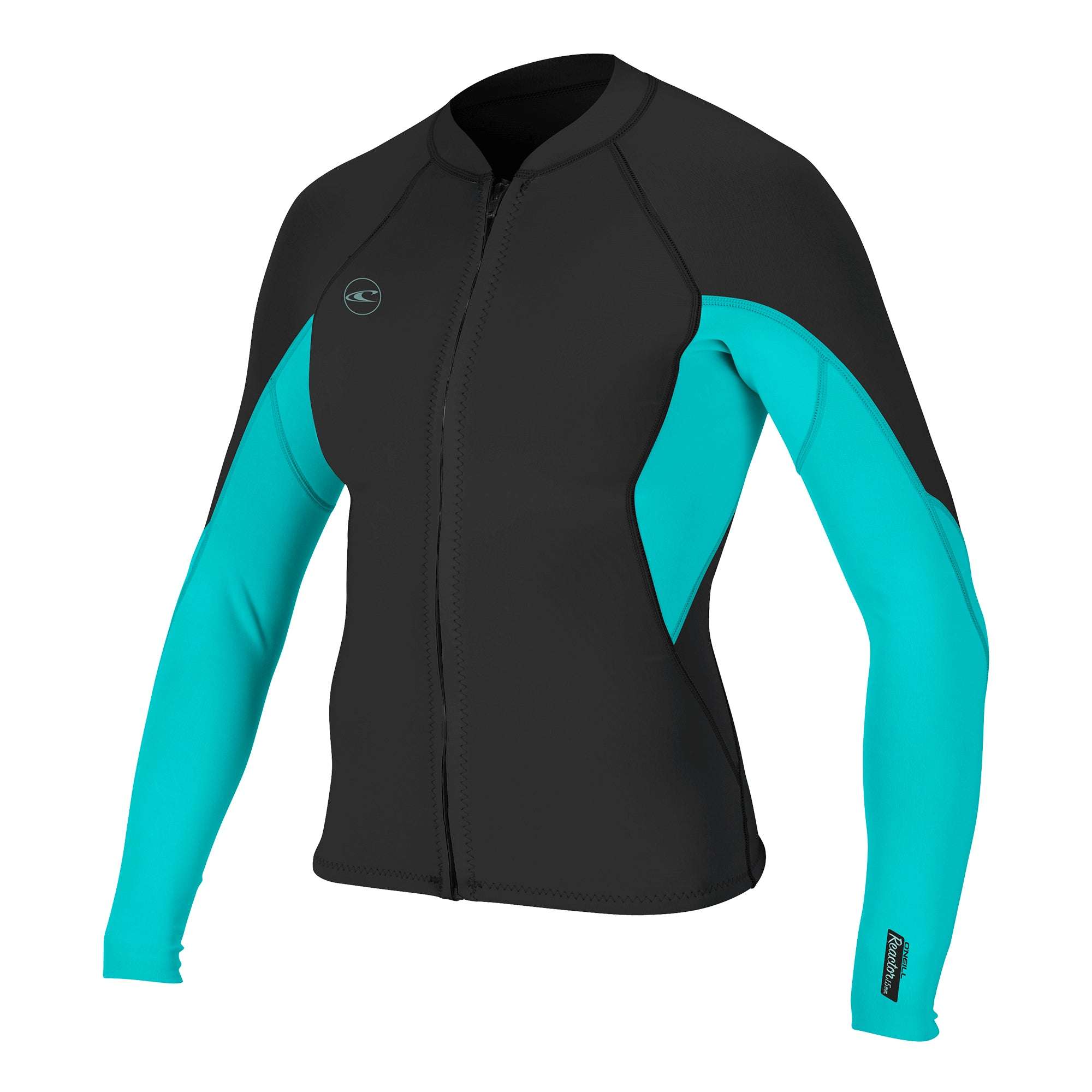
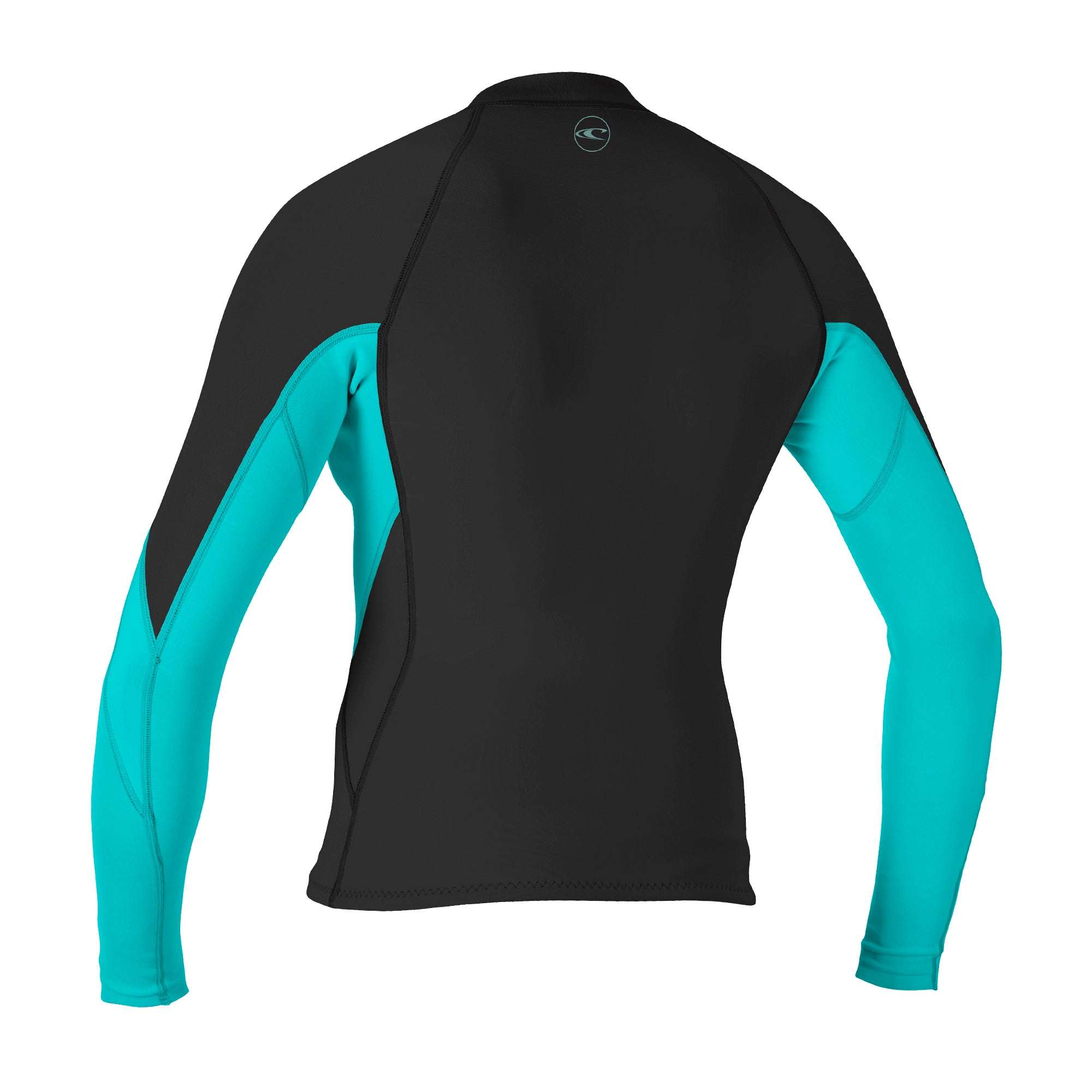

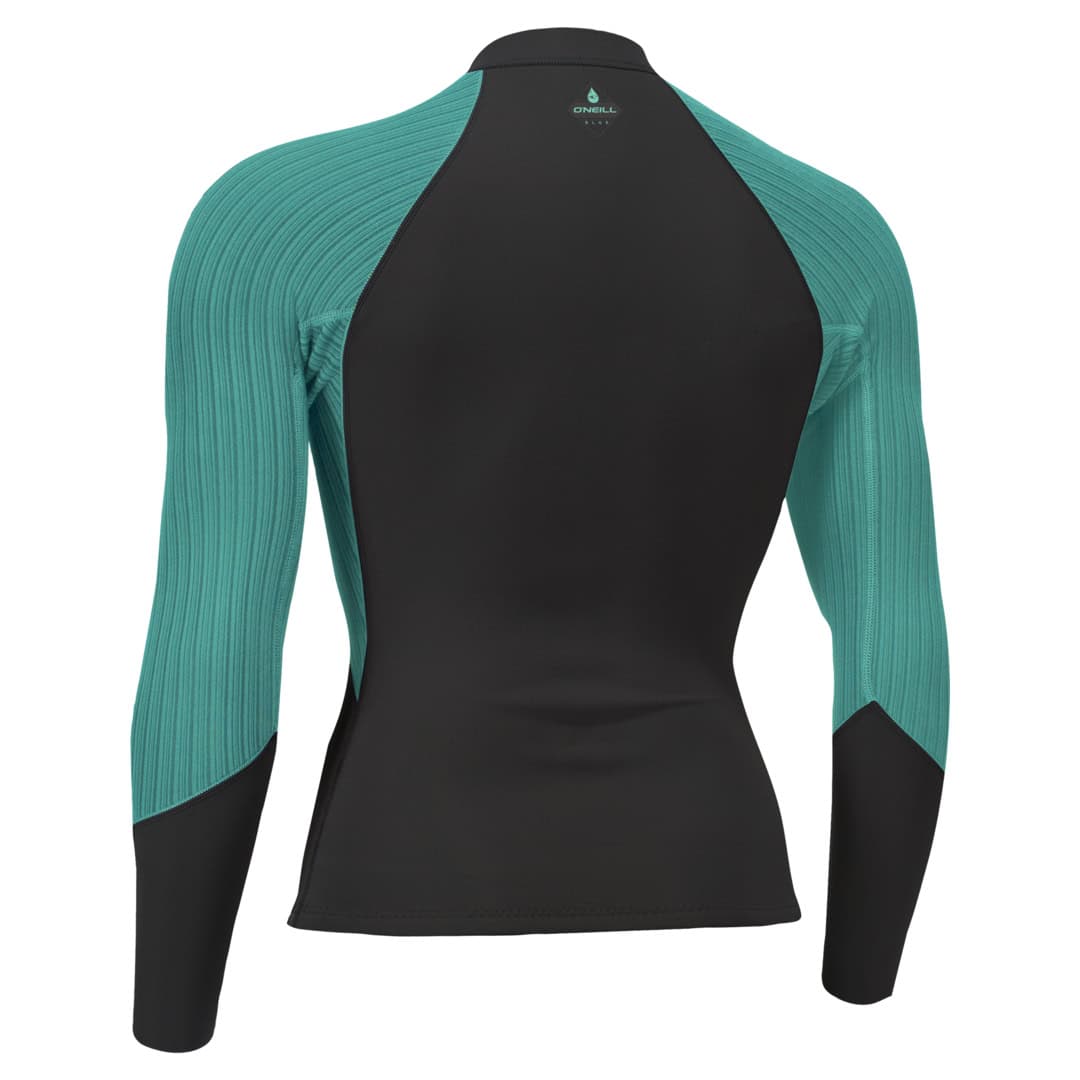
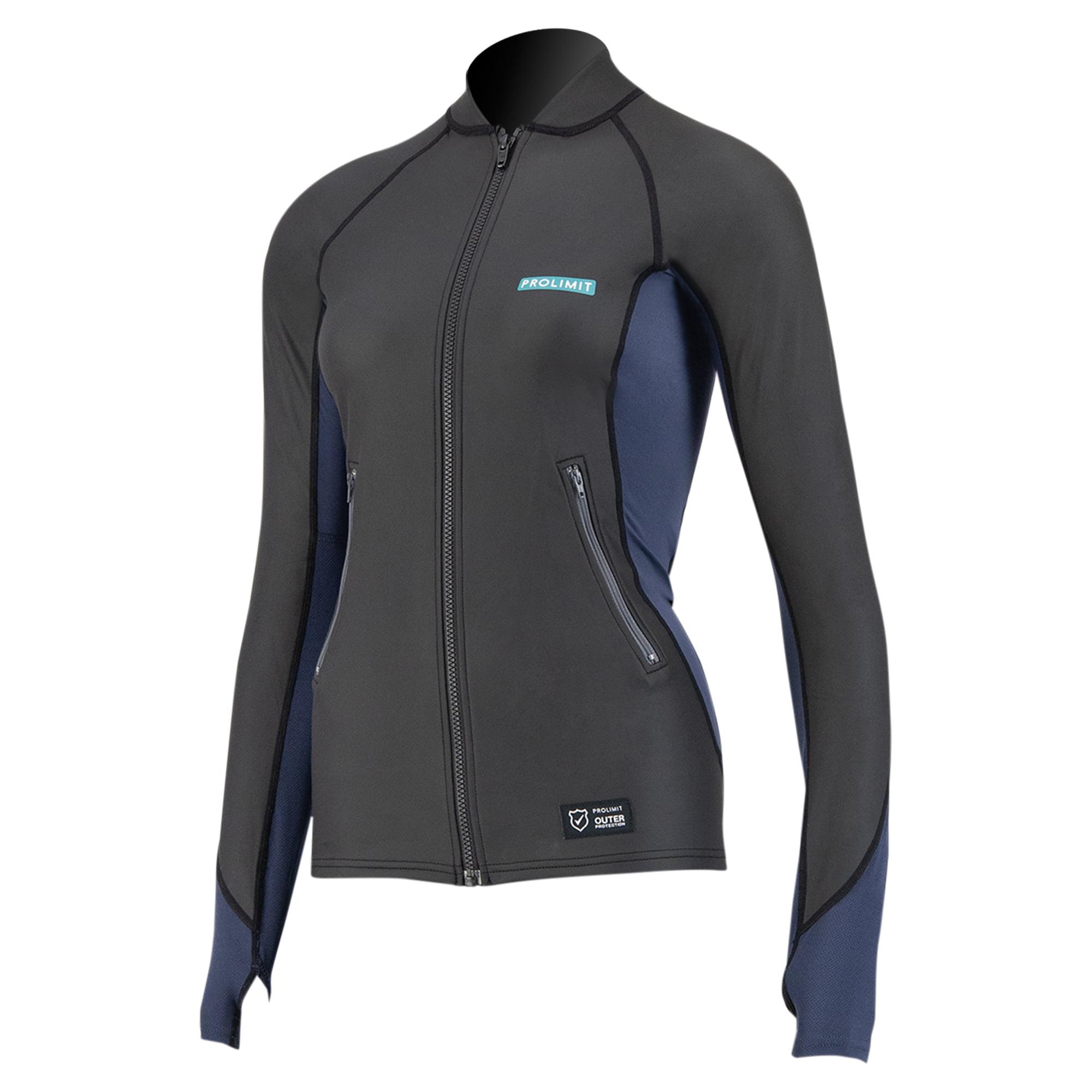
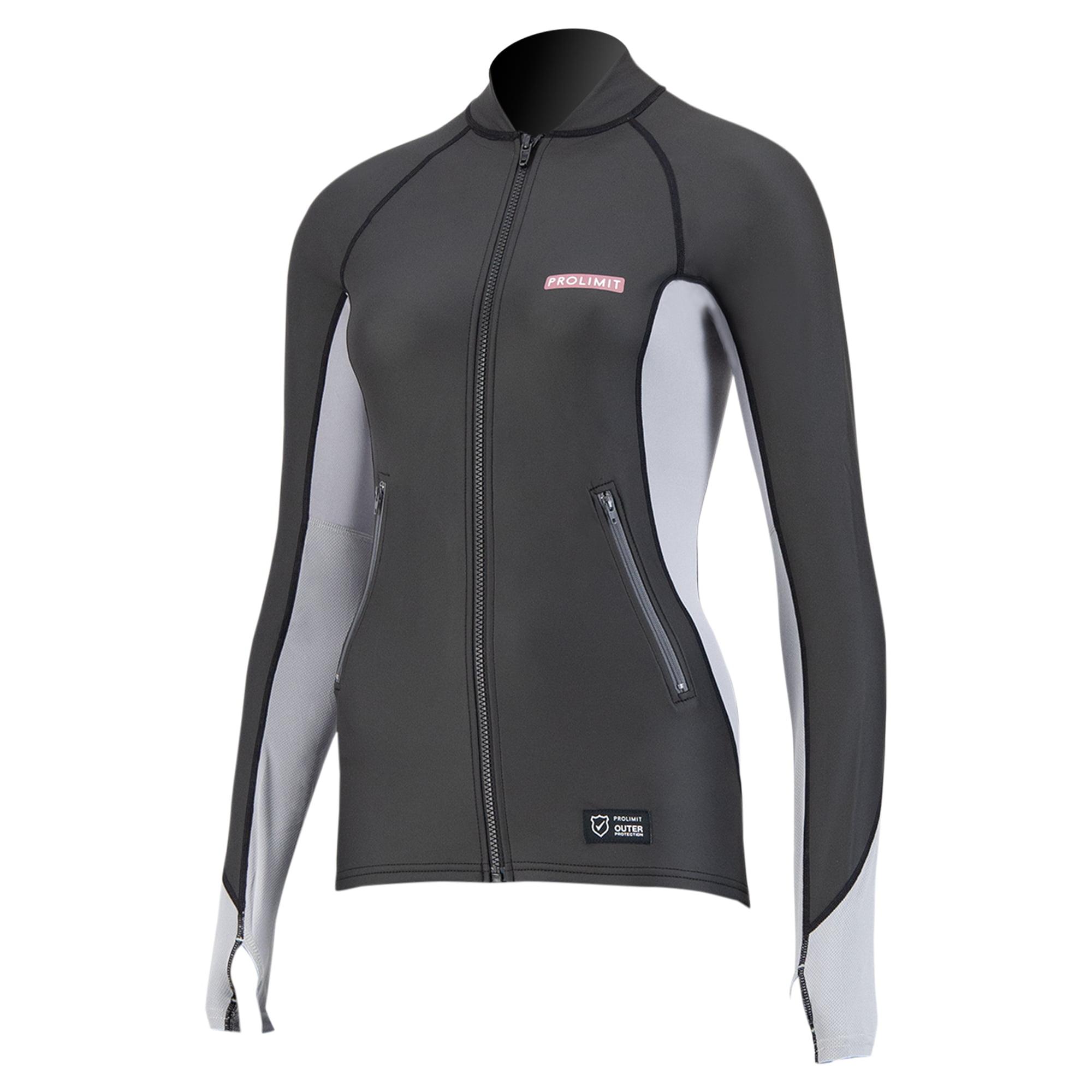
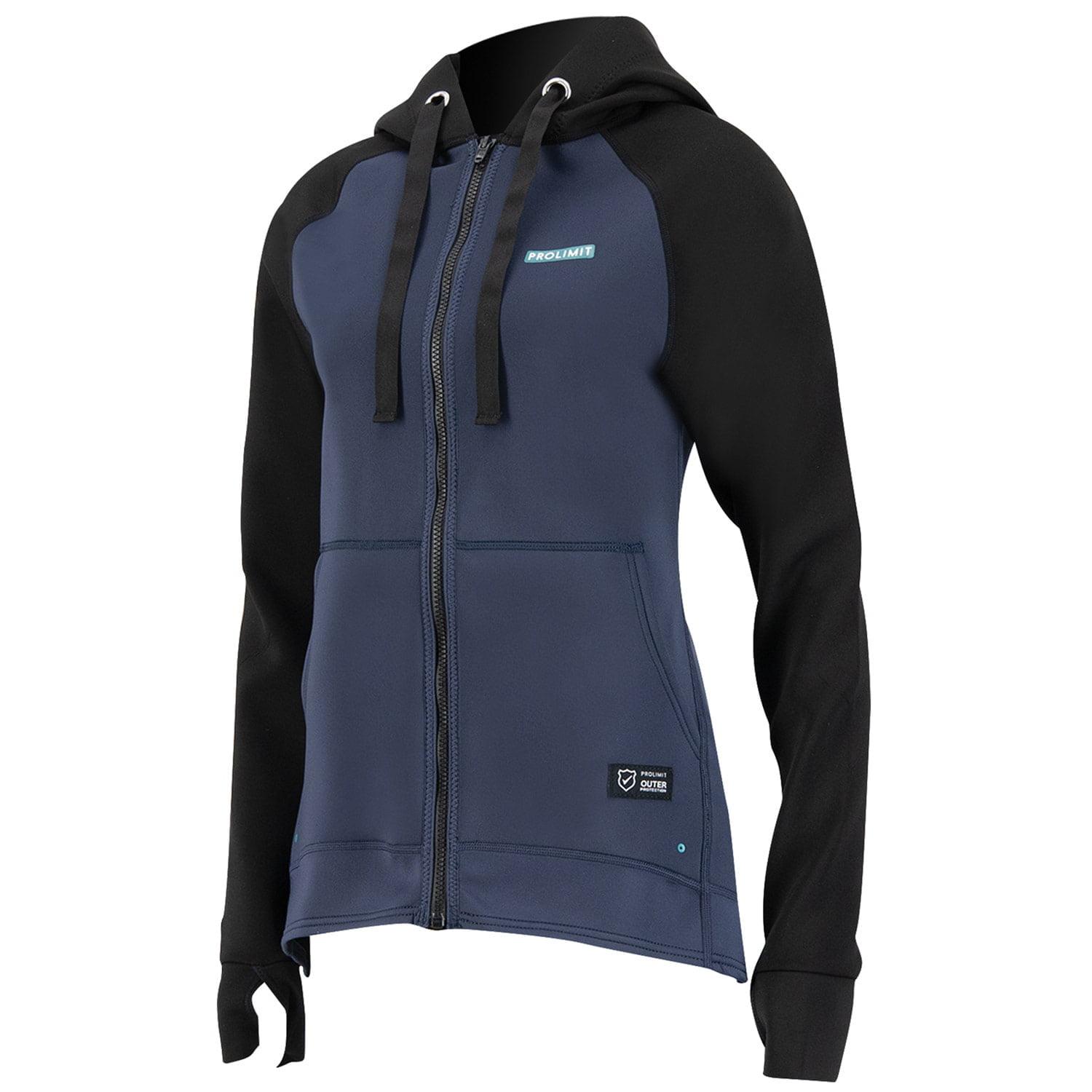


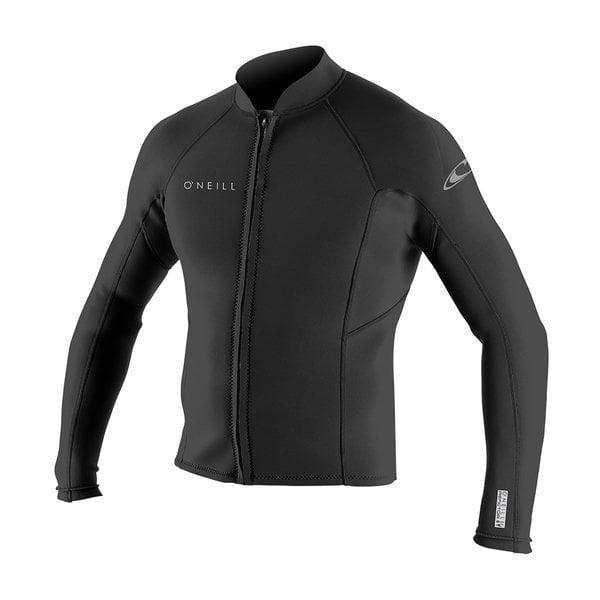


Neoprene Tops for Water Sports – Warmth Without a Full Wetsuit
A neoprene top is a thin layer of neoprene (0.5–2 mm) that keeps your core warm, blocks the wind and protects you from the sun, while your arms and legs stay free. Wear it when a rash vest is too cold and a full wetsuit is too warm: in spring and autumn, on cold rivers, in the evening breeze at the sea or after a fall in the water.
Our neoprene tops are part of our wetsuits and neoprene gear for water sports. In this category you will also find wetsuit jackets and a neoprene pullover for windy and colder days.
Types of Neoprene Tops and Wetsuit Jackets
When choosing, you decide on sleeve length, zip and fit.
- Sleeveless neoprene top (vest) – warms your core while your shoulders and arms stay completely free. Good for surfing, SUP and swimming in warmer water.
- Short sleeve neoprene top – the summer choice for evening sessions when the air cools down. According to O'Neill, 1 mm models like the O'Neill Reactor 2 1 mm suit water around 21–25 °C.
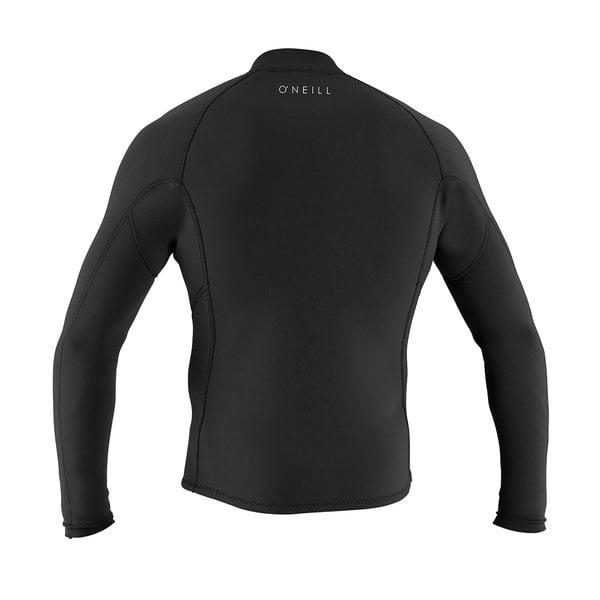
- Long sleeve neoprene top – more warmth plus wind and UV protection for your arms. The most versatile choice for the shoulder seasons, for example the O'Neill Reactor 2 1.5 mm.
- Zip or no zip – a front zip makes it easier to put on and lets you vent heat once you warm up. For kitesurfing and windsurfing, a zip-free top is more comfortable, as a zip can press under the harness.
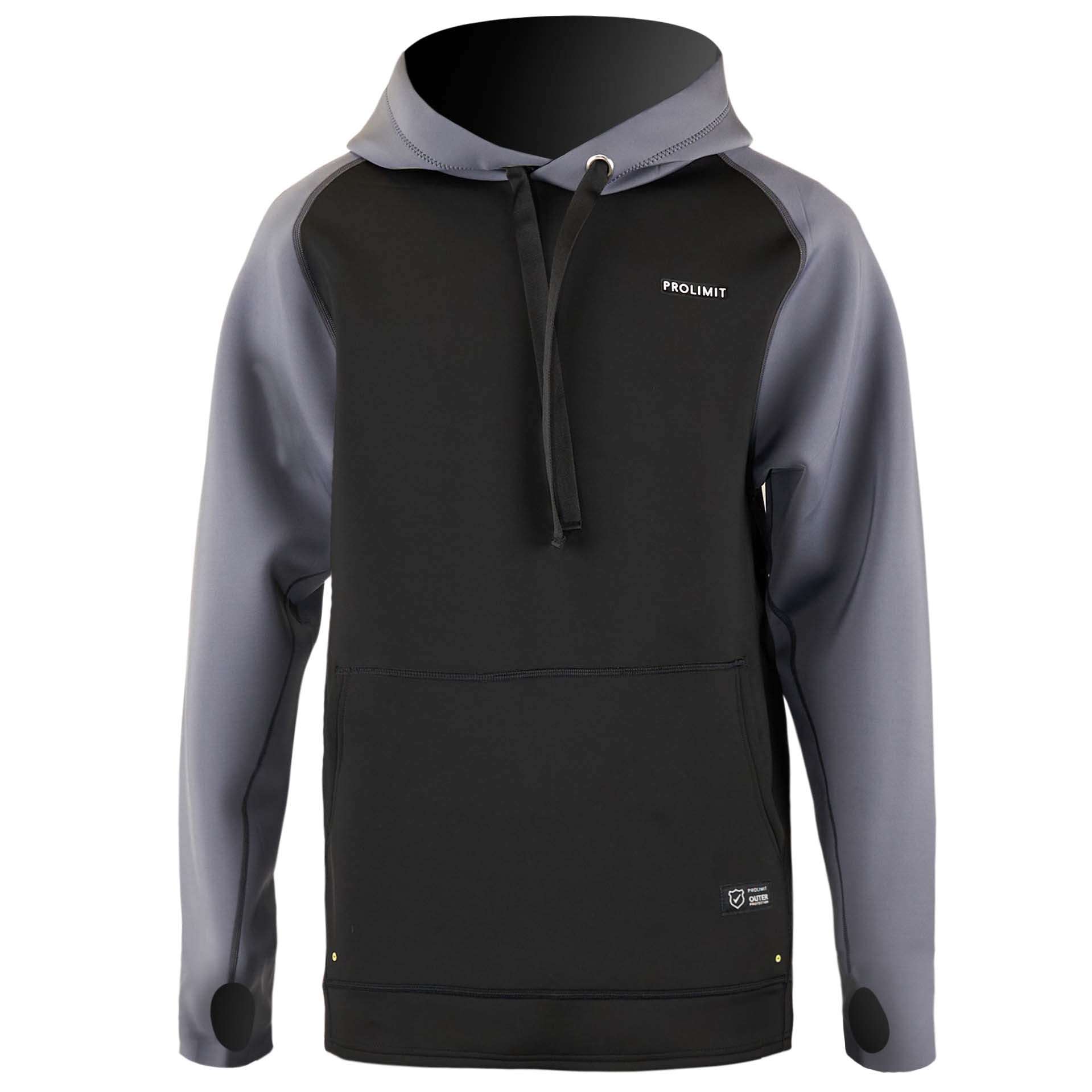
- Wetsuit jackets and pullovers – a looser cut (loosefit) that you wear over your water clothes or over a wetsuit. Models with a PU-coated outer work as a windproof neoprene jacket, and some have a warm plush lining – like the Prolimit Loosefit women's SUP jacket for cold, windy days on the water.
Men's or women's neoprene top? Women's cuts are shorter in the torso and narrower at the waist, men's are wider in the shoulders. A neoprene top should fit snugly, without wrinkles – only jackets and pullovers are cut looser on purpose.
Neoprene Top Thickness: 1 mm, 1.5 mm or 2 mm?
Neoprene thickness determines how warm the top is. Most wetsuit tops are 1–2 mm thick, so they are light and do not restrict movement.
- 0.5–1 mm – summer and warm water. Mainly wind and sun protection with light warmth.
- 1.5 mm – late spring, early autumn and windy days. The most versatile thickness for SUP and wing foiling.
- 2 mm or 2/1.5 mm – cooler days and river water. A 2/1.5 label means thicker neoprene on the torso and thinner on the arms, where you need flexibility.
When the water drops below roughly 20 °C, or when you spend most of your time in the water, a neoprene top is no longer enough. Then choose a full wetsuit.
How to Layer a Neoprene Top
A neoprene top works best as part of a layering system you adapt to the weather.
- Combine it with neoprene pants or leggings for a summer SUP outfit that goes on in a minute and is more comfortable than a full wetsuit.
- Over a sleeveless (long john) or short wetsuit, it adds warmth to your upper body and blocks the wind. In colder conditions you can also wear a thin top under a full wetsuit as an extra layer.
- When your hands, feet or ears get cold, add wetsuit gloves, wetsuit boots or a wetsuit hood or cap.
- For the little ones, see our kids wetsuits.
- On the hottest days, when you don't need neoprene, a UV rash guard is enough.
Which Water Sports Is a Neoprene Top For?
- SUP – you spend most of the time above the water, exposed to the wind. A neoprene top or SUP jacket with breathable side panels keeps you warm without overheating while you paddle.
- Wing foiling and kitesurfing – wind on a wet torso cools you down even in summer. Choose smooth-skin neoprene that blocks the wind.
- Surfing – a thin top or vest for warmer water that also protects against rubbing from wax and the board.
- Swimming and sea swimming – extends your time in the water in spring and autumn. A sleeveless or short sleeve top does not restrict your stroke.
- Kayaking and canoeing – protection from cold river water and wind, even in summer.
Neoprene Top Care
After every use, rinse the top in lukewarm fresh water, dry it in the shade and store it on a wide hanger. Never dry it in the sun, on a radiator or in a tumble dryer – heat dries out neoprene and reduces its stretch. For salt and odours, use a wetsuit shampoo from our wetsuit accessories.
Related categories
All wetsuits & neoprene · Full wetsuits · Neoprene pants · Wetsuit boots · Wetsuit gloves · Wetsuit hoods · Kids wetsuits · Wetsuit accessories · Drysuits