
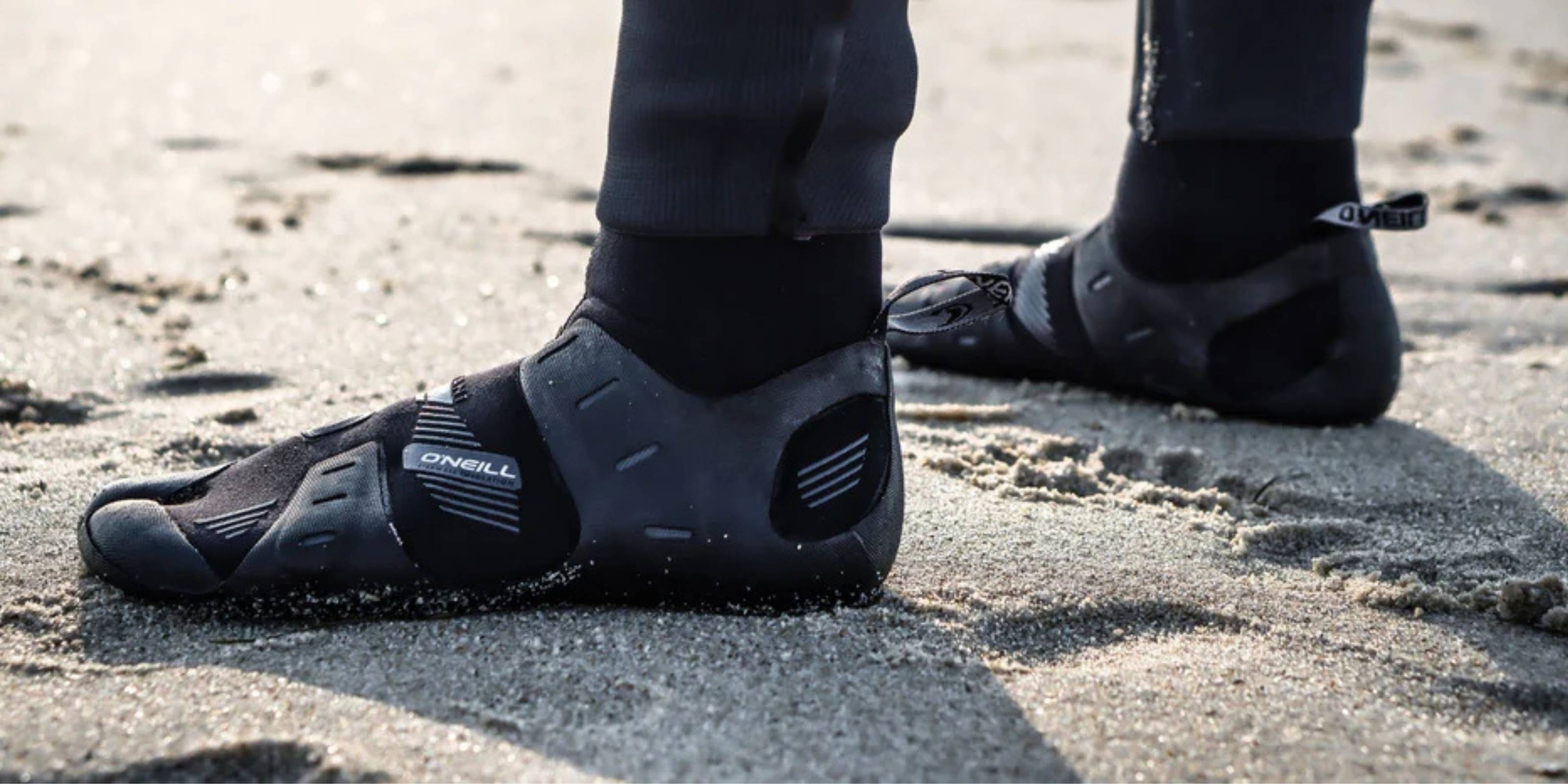
Wetsuit Boots
Filters
9 products

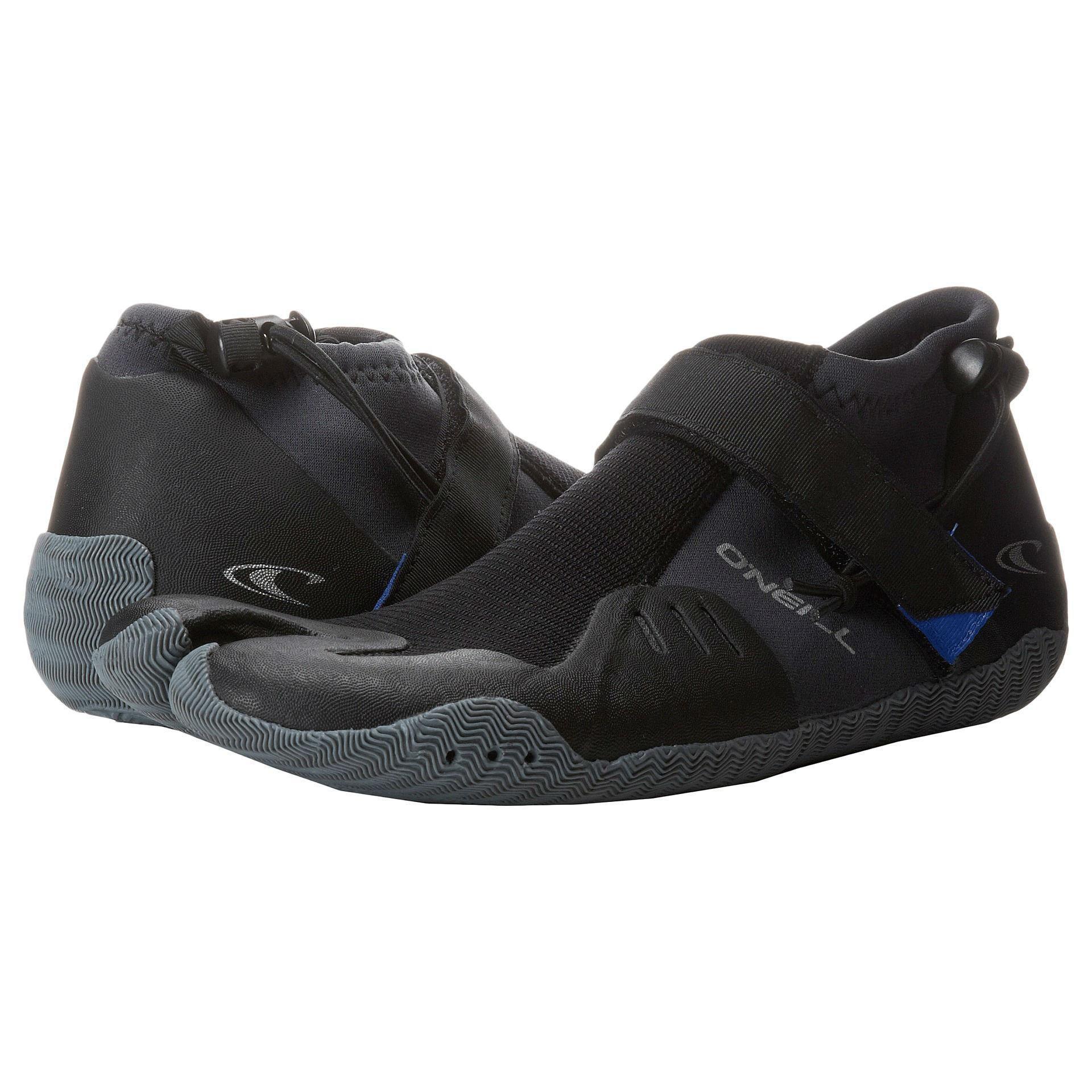
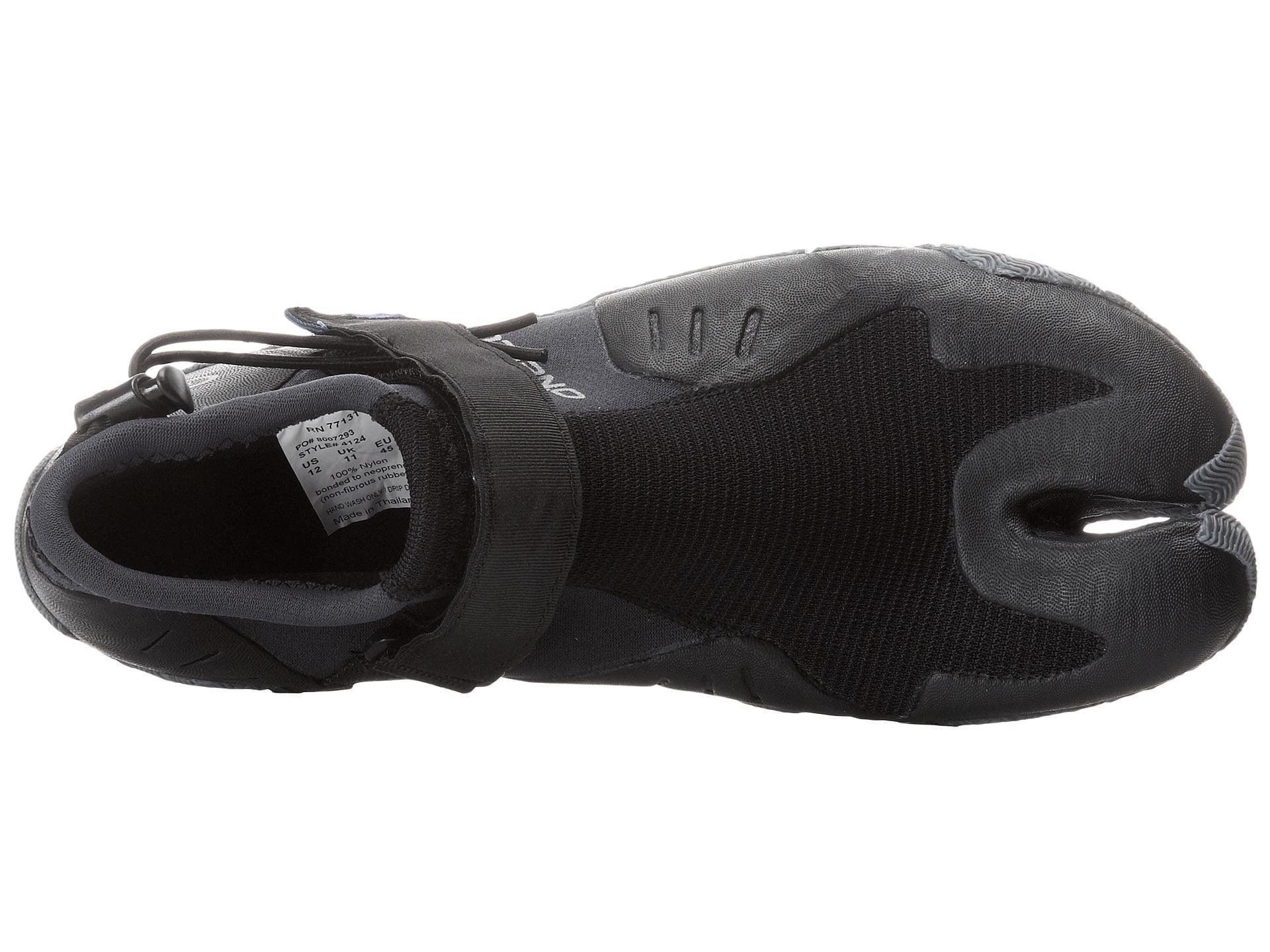
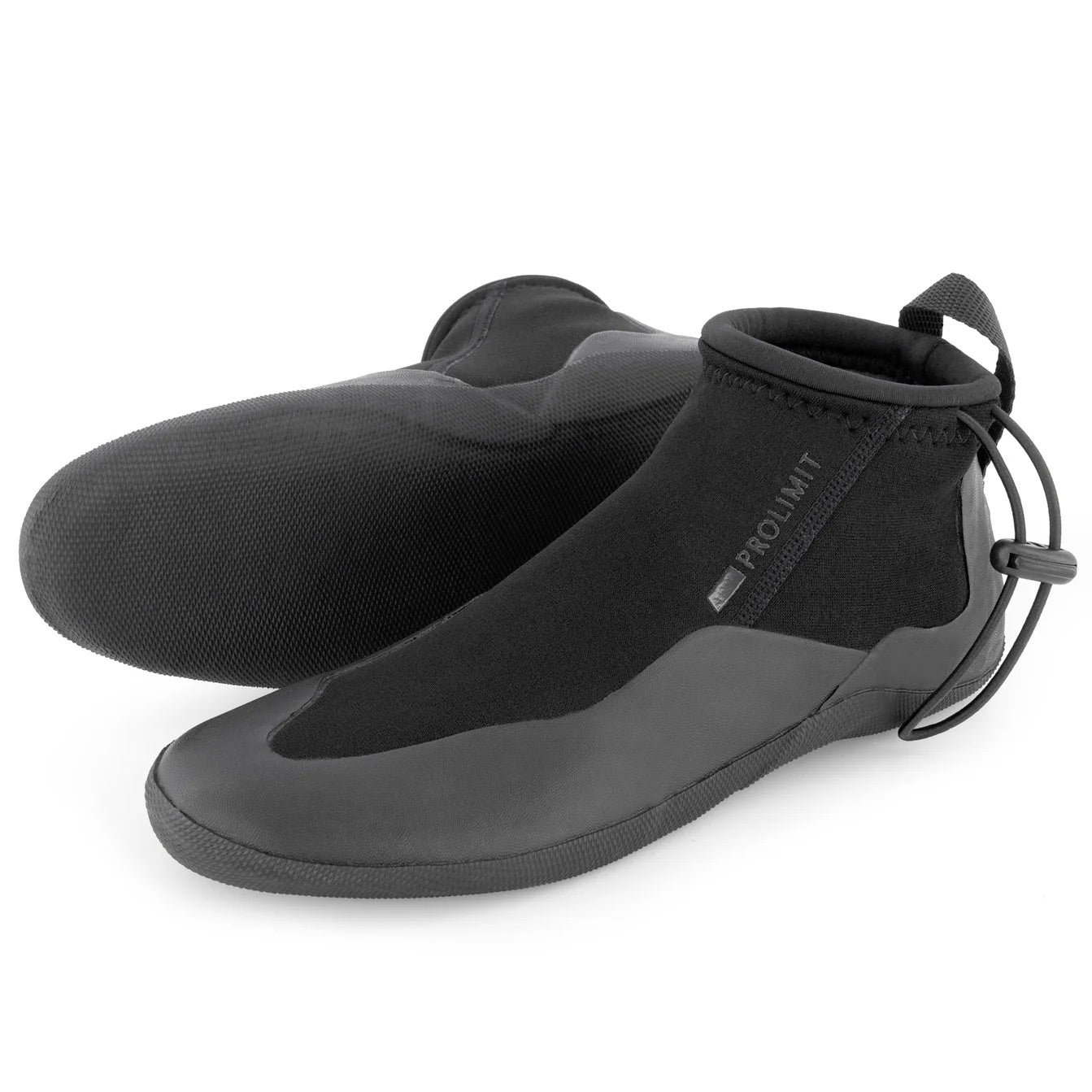

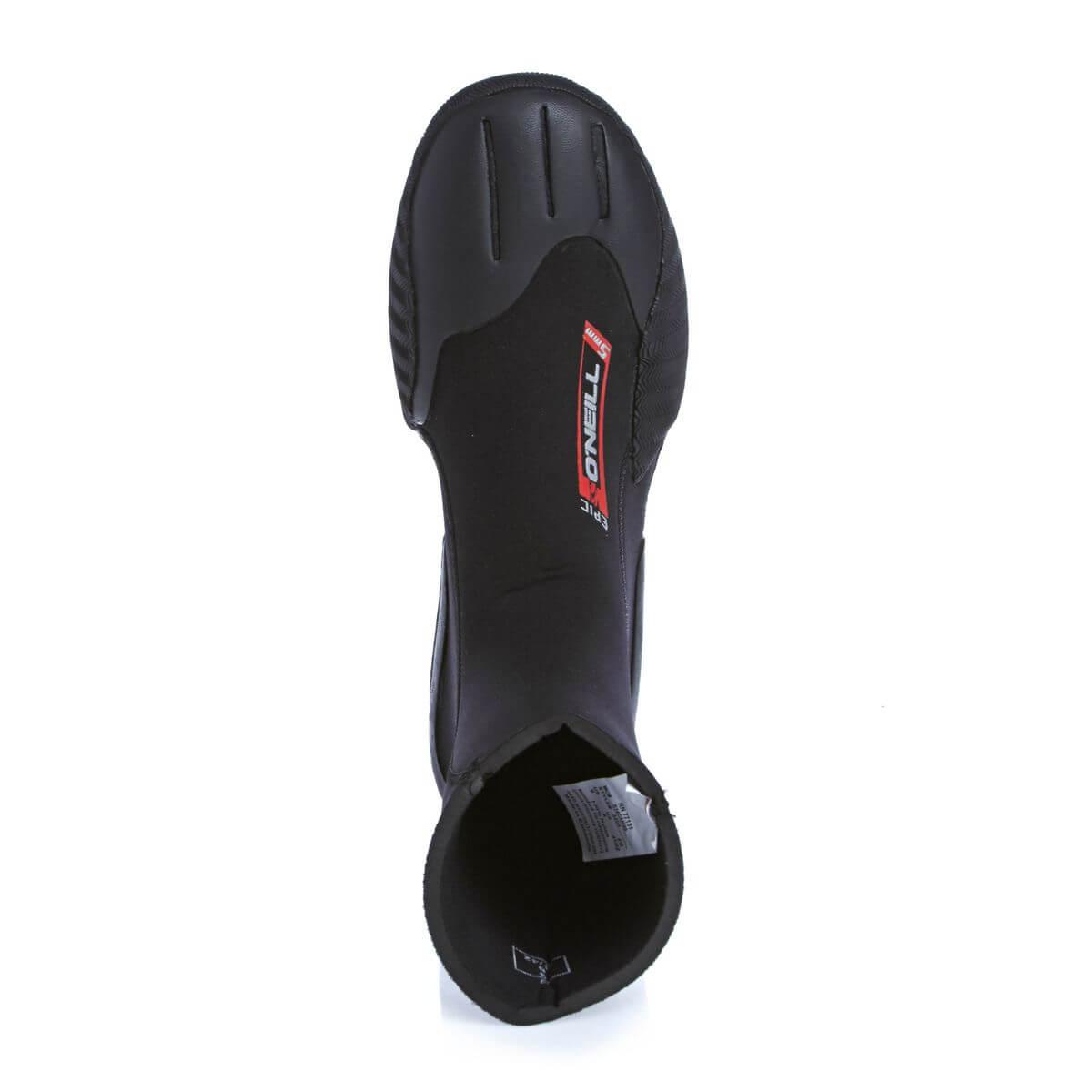
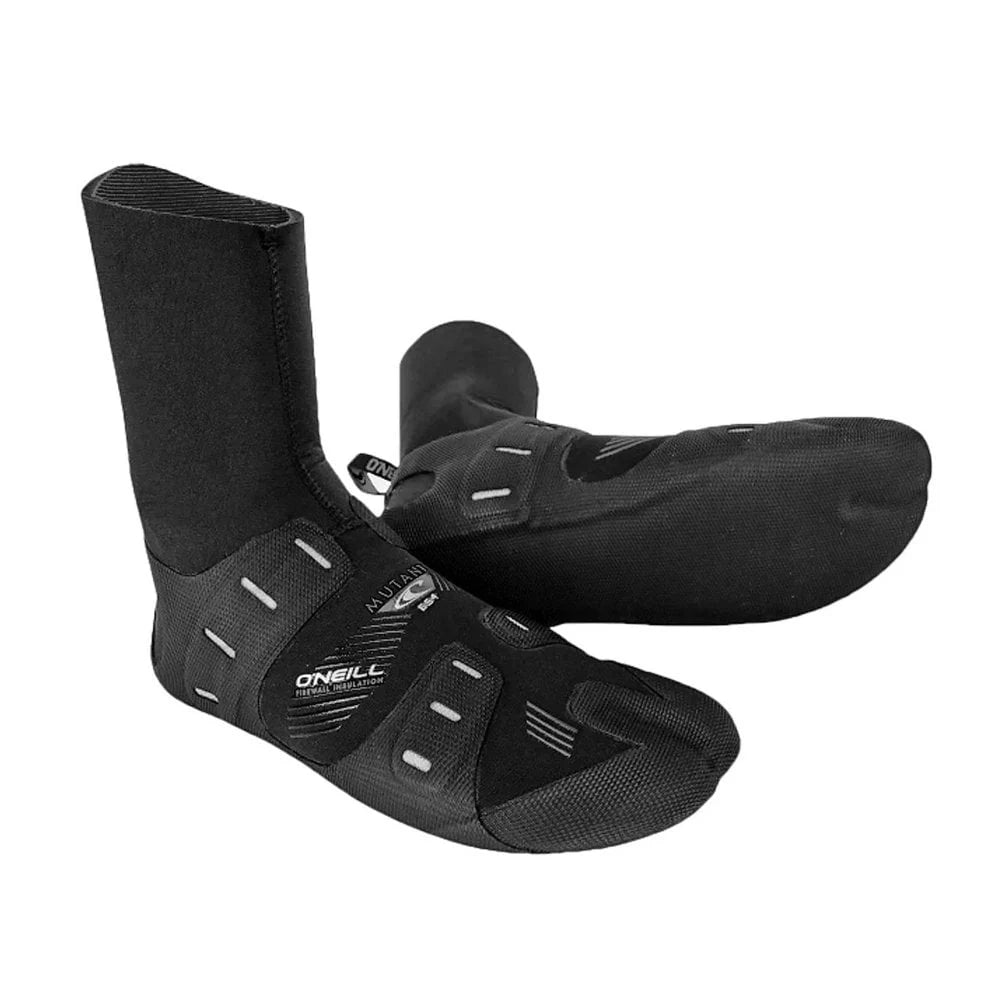

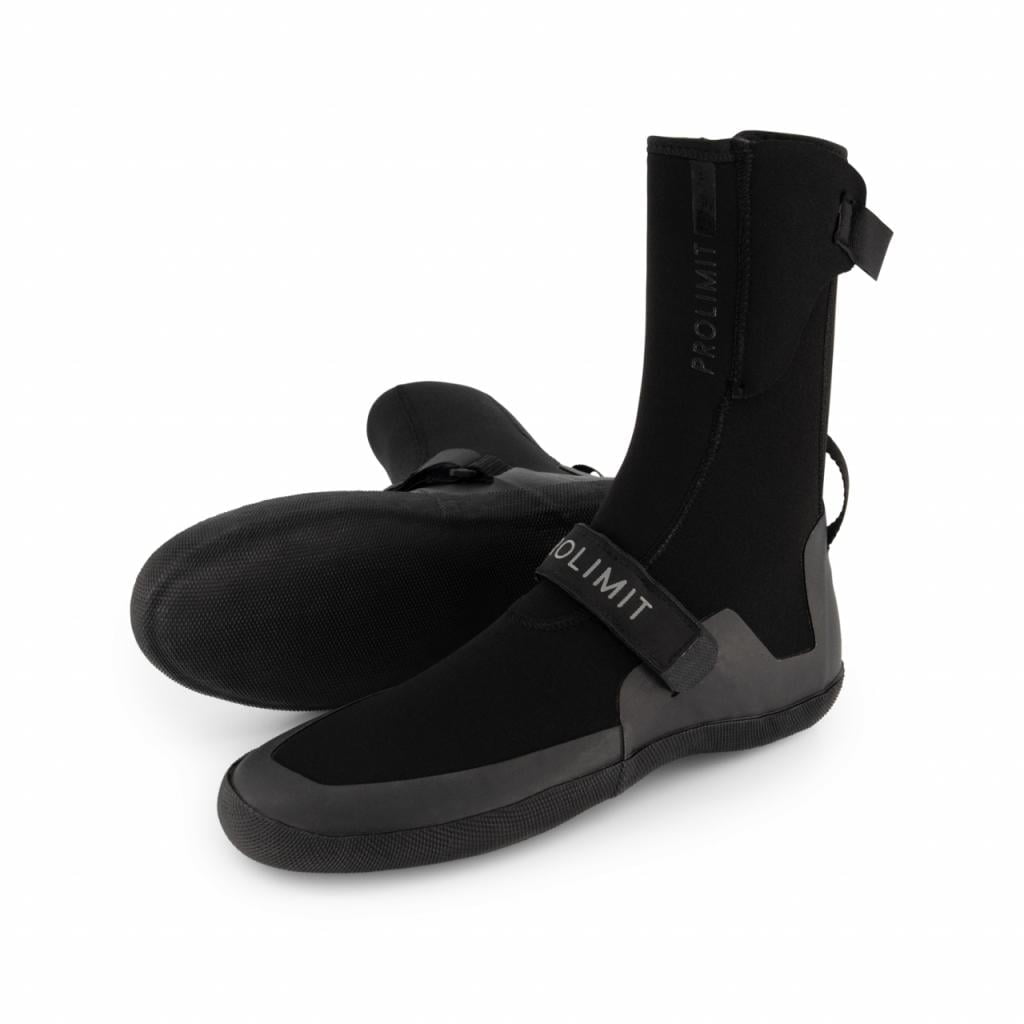


Warmth, protection and grip — wetsuit boots for all water sports
Wetsuit boots keep your feet warm, provide reliable grip and protect against rocks, shells and cold water — making them the perfect footwear for SUP, surfing, swimming, snorkeling and all activities in colder or rocky conditions.
What are wetsuit boots and why do we need them?
Feet are the most exposed to cold during water sports, as they are always in contact with water or a wet board.
Wetsuit boots retain warmth, reduce wind chill and protect feet from:
- sharp rocks
- corals
- sea urchins
- slippery surfaces
You can choose between:
- wetsuit boots
- wetsuit socks
Each serves its own function — boots for warmth and stability, socks for better board feel.
Why are wetsuit boots essential?
- Thermal insulation for feet, which are the first to feel the cold in water.
- Protection against sharp stones, shells, sea urchins, rocks and coral.
- Stability and secure grip, even on a wet SUP or slippery rock.
- Better feel while diving, swimming, surfing or paddling.
- Easy to put on, soft materials and flexible wetsuit material for maximum comfort.
Feet are the first place where you start to feel cold — wetsuit boots are therefore one of the most sensible pieces of gear for extending your season on the water.
Who do we recommend wetsuit boots for?
- Water sports enthusiasts (SUP, surf, kayak, windsurf, kite, wing foil), especially in cold rivers and lakes
- Swimmers, snorkelers and divers in colder water
- Children and families for safe play in the water and protection from sharp surfaces
- Users with sensitive feet who get cold quickly
- Anyone needing good grip on wet or slippery surfaces
- Athletes who want to extend the water season from spring to winter
How to choose the right wetsuit boots?
Material: choose high-quality, flexible wetsuit material
The best materials (e.g., FluidFlex™, O’Neill Ultraflex) provide:
- 100% stretch,
- perfect fit,
- more warmth and comfort,
- better board feel.
Split toe models (e.g., O’Neill Mutant) offer the highest stability.
Boot height (summer vs. winter)
- Low boot (ankle cut): thinner, more summer-oriented, lighter.
- High boot: worn under a wetsuit, warmer, ideal for autumn and winter.
Boot thickness (key for warmth)
- 2–3 mm wetsuit boots → summer models, warm water (18–20 °C).
- 5 mm wetsuit boots → colder conditions, autumn, winter (below 18 °C).
Thicker = warmer.
Thinner = more board feel.
Some wetsuit boots feature combined thickness (e.g., 6/5/4 mm), meaning the warmest parts of the foot are additionally insulated, while areas requiring more flexibility are thinner. This construction ensures a better balance between warmth, comfort and board feel.
Shape: round toe or split toe?
Round toe → universal, warmer, comfortable.
Split toe → the big toe is separated, therefore:
- better grip,
- more precision,
- greater stability for surfing, wing and kiting.
Split toe is the most common choice among advanced athletes.
Choosing the right size
- They must fit snugly, without wrinkles.
- They must not be too large — cold water will enter.
- They must not be too small — they will squeeze and restrict movement.
- If you are between sizes → with O’Neill boots choose one size larger, as they run small.
- For narrow feet: Prolimit Raider
- For wide feet: O’Neill RT / ST
Wetsuit boots — ideal for the cold season
Wetsuit boots (5 mm–6 mm) provide:
- maximum warmth,
- ankle protection,
- stability,
- excellent combination with full wetsuits.
Essential for winter water sports.
Wetsuit socks — when you want more feel
Most popular among kiters, swimmers and summer SUP users.
Advantages:
thin 1–2 mm wetsuit material,
- maximum board feel,
- faster drying,
- ideal for boats, kayaks, SUP and snorkeling in warm water.