
Wetsuit Gloves
Filters
3 products

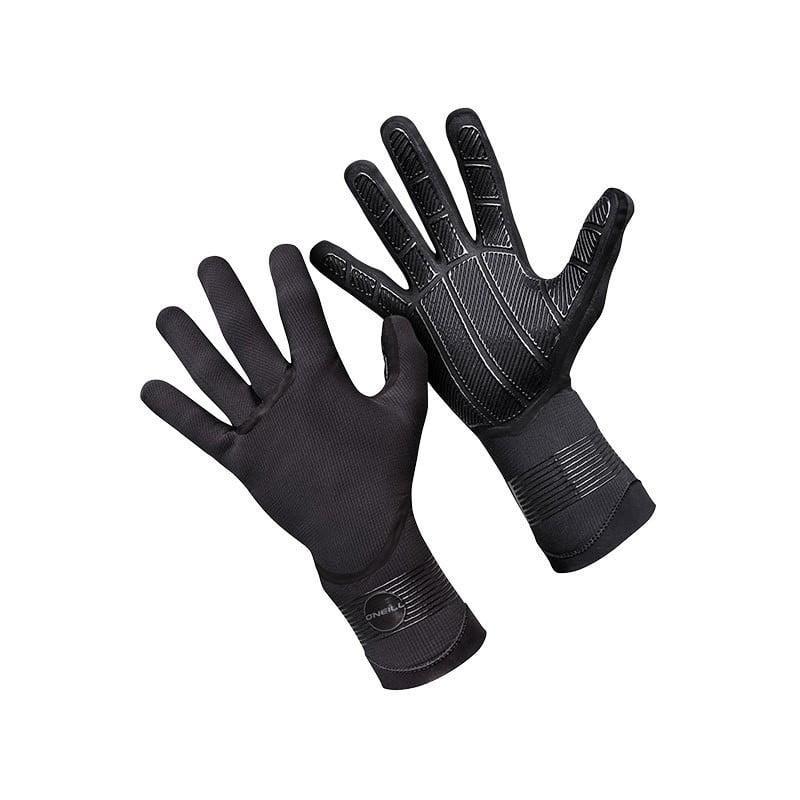

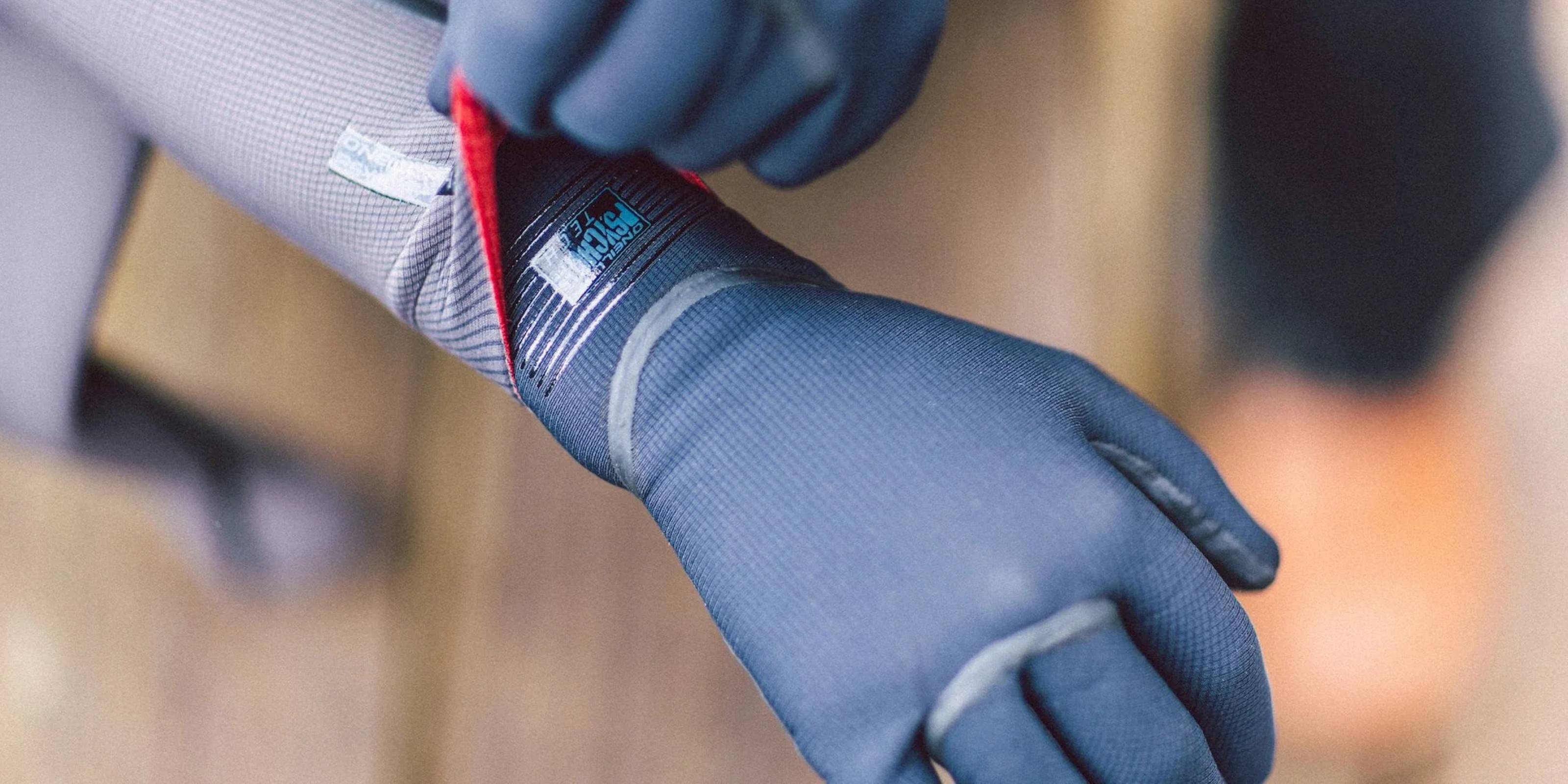
Wetsuit gloves — warmth, grip and protection in cold water
Neoprene gloves keep hands warm, improve grip on wet gear, and protect fingers from wind and abrasion. They’re essential for many water sports in colder conditions, letting you stay longer and safer on the water.
When are wetsuit gloves needed
Water around 10–12 °C is a common threshold when gloves become almost mandatory. At this temperature hands cool quickly, especially when exposed to wind above the water. This aligns with common wetsuit and accessories guidance for colder conditions.
If you’re sensitive to cold or plan longer sessions, gloves noticeably increase comfort and safety.
Benefits of neoprene gloves
- Protect against wind, cold water and abrasion
- Enable longer sessions on the water
- Improve grip on wet equipment such as paddles, bars or harnesses
- Preserve finger dexterity and tactile feel
Common types of neoprene gloves
Summer and transitional (1.5–3 mm); for windy summer days, early autumn surfing, or foiling in chilly wind.
Winter (5 mm); for surf, kite, wing foil or SUP in cold water and strong wind.
Windproof gloves; inner neoprene plus an outer membrane that blocks wind, boosting warmth.
Lobster gloves (2+3 finger split); extra warmth from grouped fingers with solid grip—great for very cold water and winter use.
Mitt gloves (open palm, closed fingers); designed for sports needing direct, confident grip—kite bar, wing handles, windsurf boom.
How to choose thickness?
Pick thickness based on water temperature and wind:
- 1–2 mm: windy summer days, light abrasion protection
- 3 mm: spring or autumn transitions
- 5 mm: cold water, strong wind, winter use
Tradeoff: thicker = more warmth; thinner = more feel and dexterity.
Fit matters: gloves should be snug with no folds so they trap a thin layer of water that warms from your body heat.
What to expect from quality gloves?
Comfortable, elastic, and warm even when wet
Snug fit without being too tight or too loose
Too large fills with water and reduces finger control.
Too small restricts movement and sensation.
When are they especially useful?
- Autumn or winter surfing
- Kitesurfing, wing foil, or windsurfing in cold wind
- SUP in windy, chilly conditions
- Kayaking or canoeing when hands stay wet
- Swimming or playing in cold water
Tips for use and care
- Keep small neoprene accessories attached to your suit or in a pocket to avoid losing them.
- Rinse with fresh water after use and dry in the shade.
- Occasionally clean with neoprene shampoo to maintain softness and elasticity.
Use this optimized copy to highlight the key value of wetsuit gloves quickly—good for SEO, easier for visitors to scan, and ready to drop into your site or product pages.