
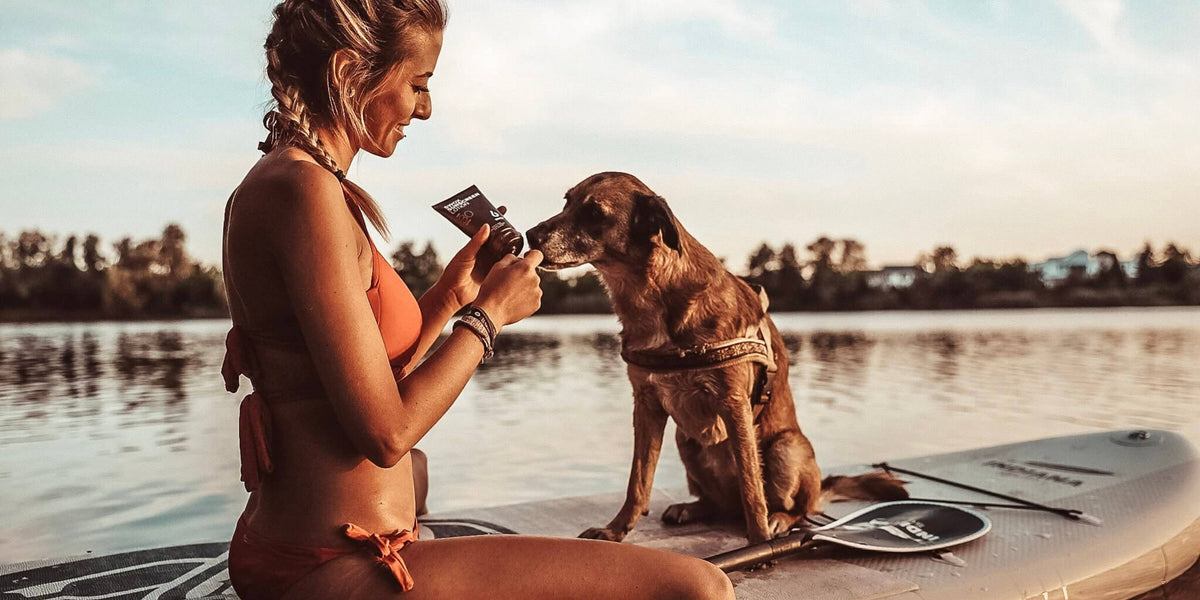
Mineral Sunscreen
Filters
10 products
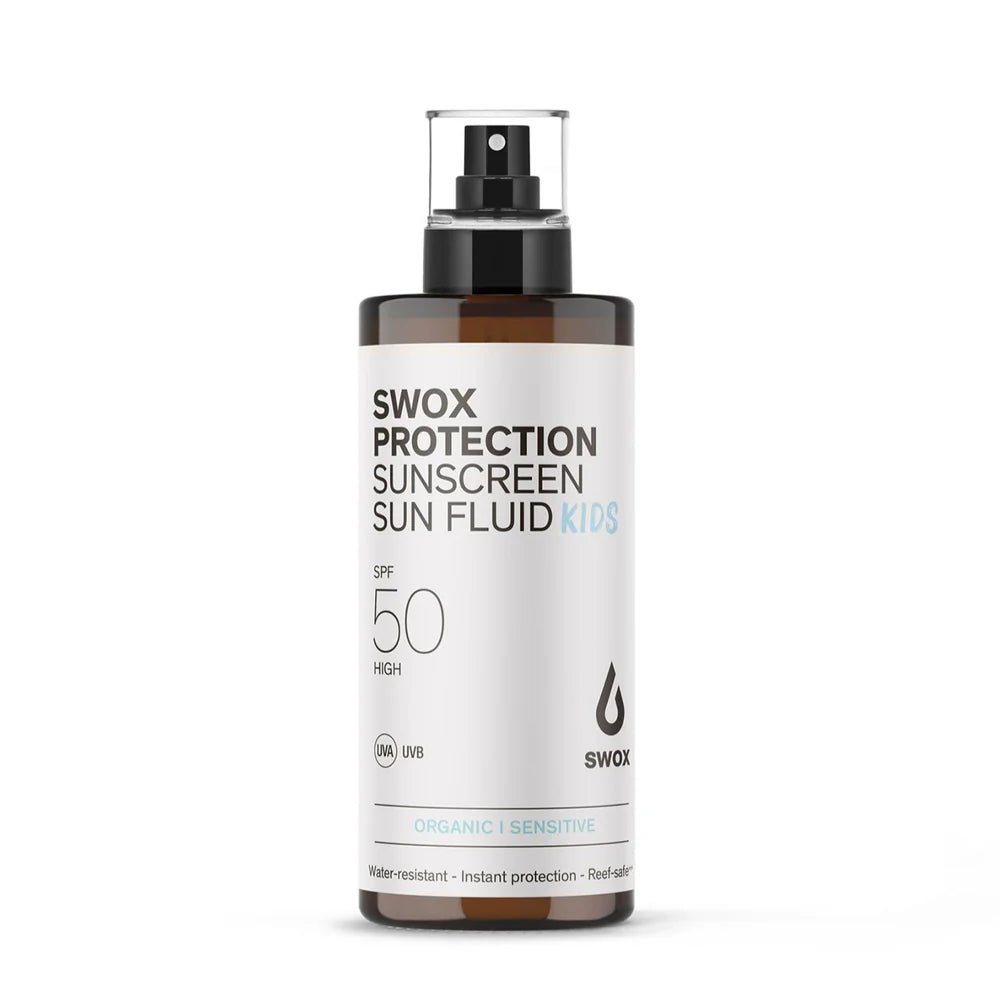



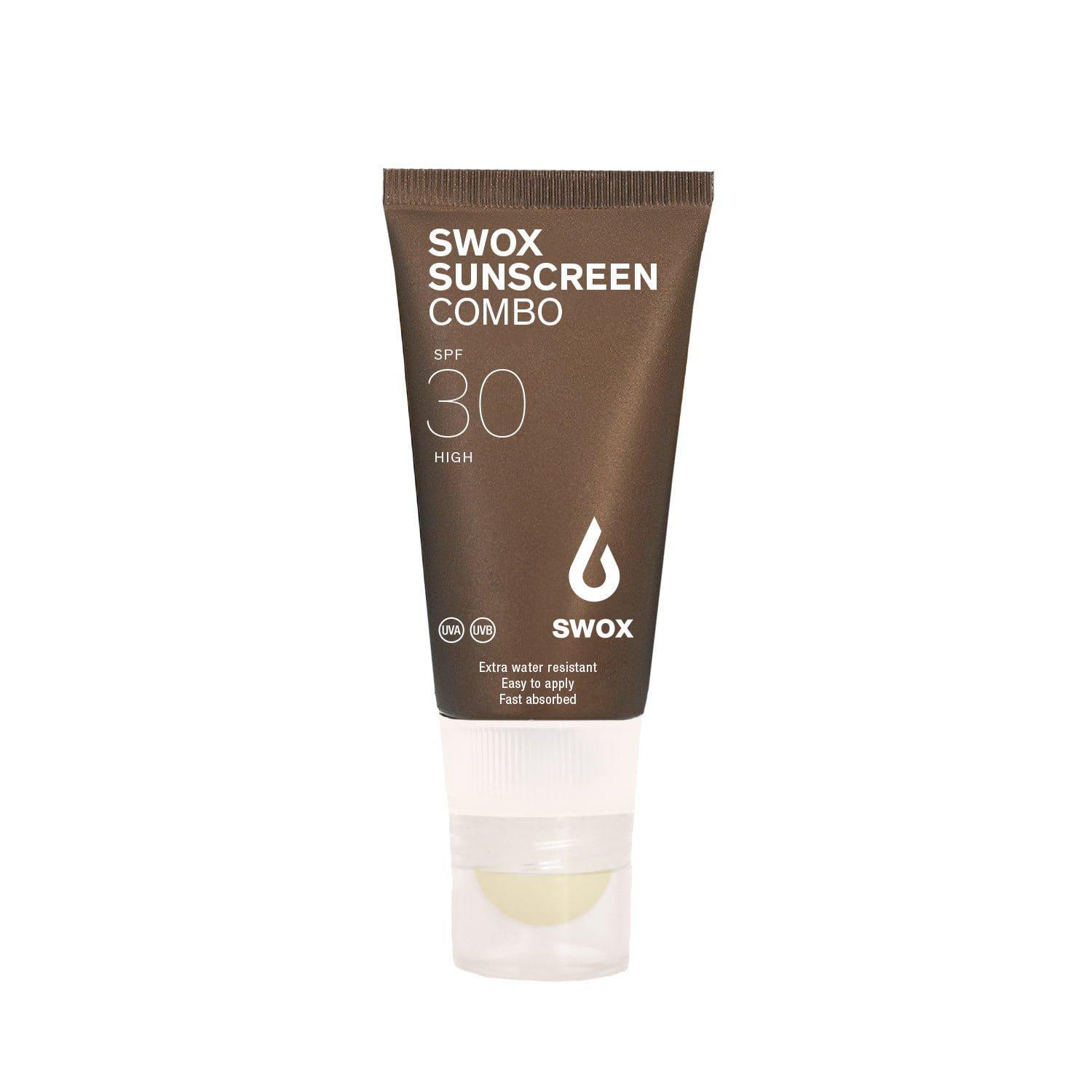


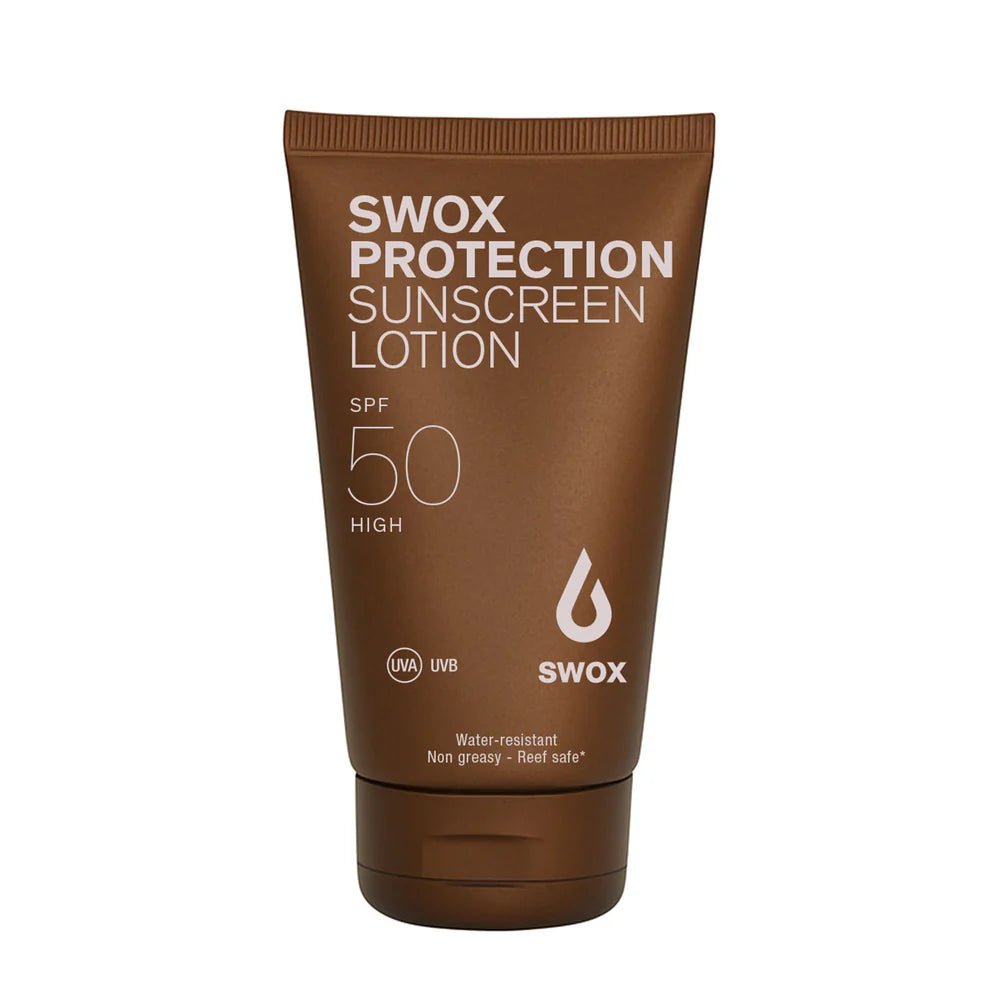
Mineral Sunscreen for Sports, Water Sports and Kids
Mineral sunscreen protects your skin with mineral UV filters, zinc oxide or titanium dioxide, which stay on the surface of the skin and mostly absorb UV rays, while scattering some of them. Protection starts as soon as you apply it, which is why mineral sunscreen is popular for water sports, for kids and for sensitive skin. What matters most is that it's water-resistant and that you reapply it regularly.
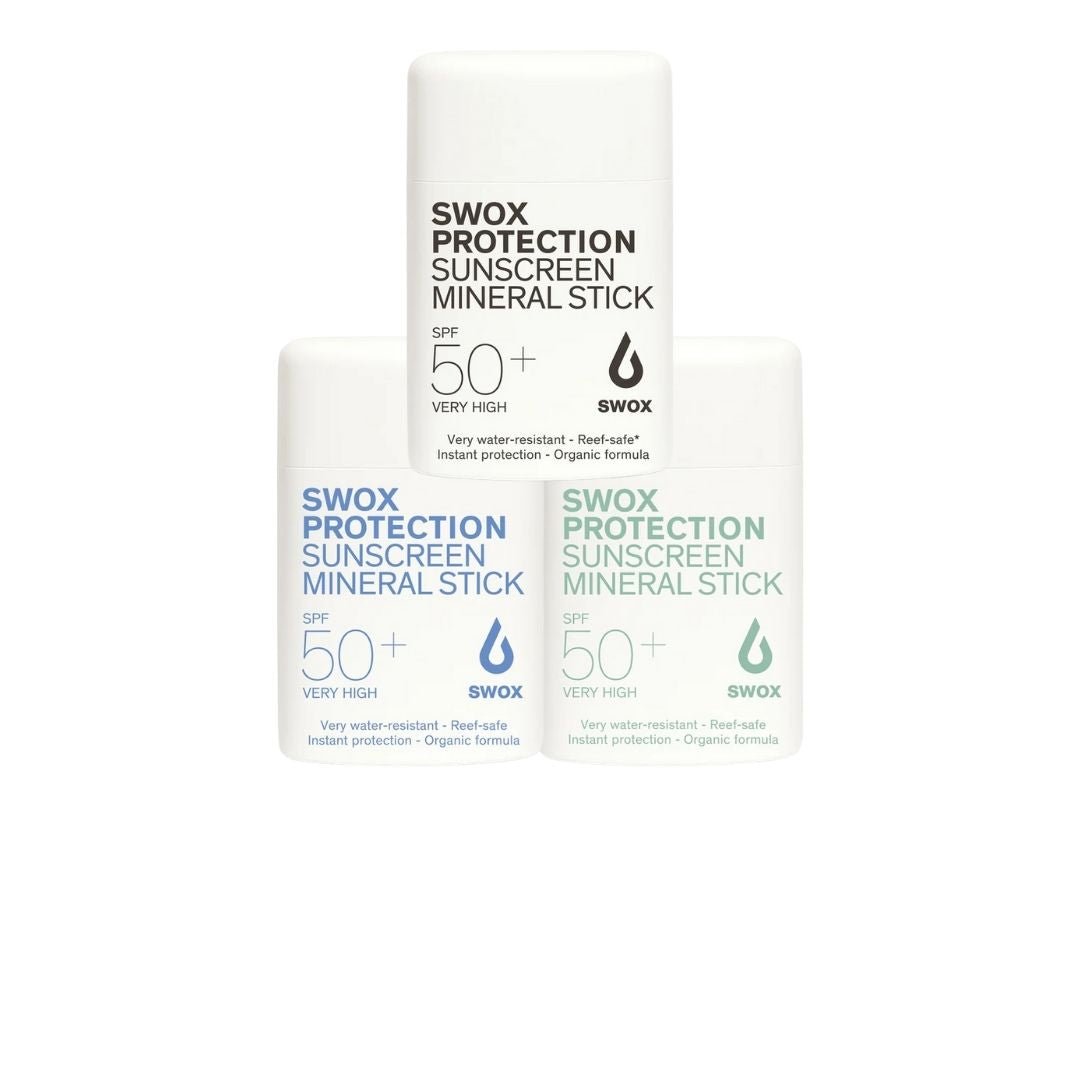
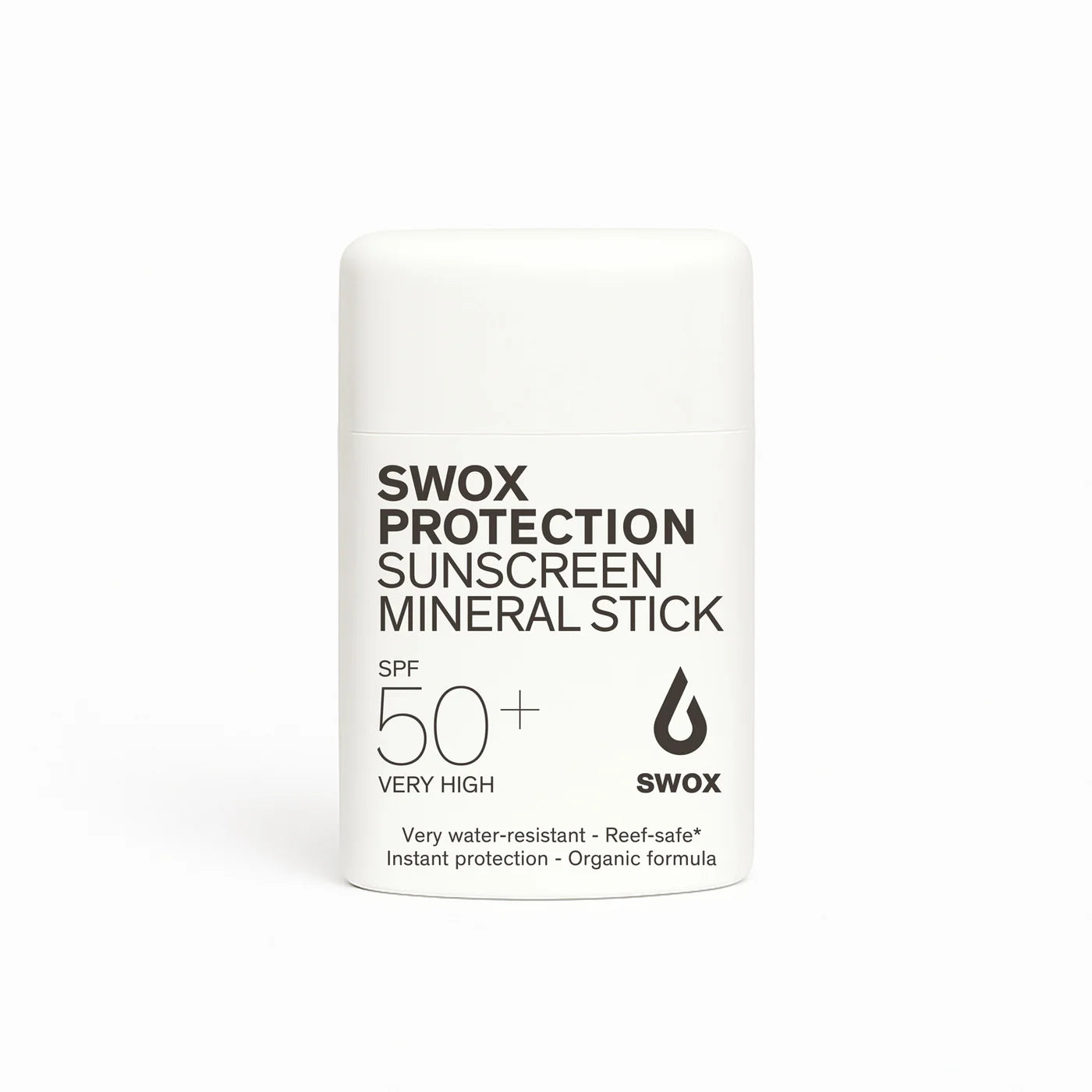
Our range includes 100% mineral sunscreens and SPF 50 sunscreens with mineral filters, a zinc sunscreen for your nose and face, a mineral stick, an SPF lip balm and a mineral sunscreen for babies and kids.
Which Sunscreen Should I Choose?
| Who and where | What to choose |
|---|---|
| Water sports (SUP, surf, kite, wing foil) | very water-resistant SPF 50 + zinc sunscreen for your nose |
| Sweaty sports (cycling, running, hiking) | light, non-greasy SPF 30–50 |
| Sensitive skin (reacts to ingredients) | fragrance-free 100% mineral sunscreen |
| Kids and babies (from 3 months) | 100% mineral SPF 50+ |
| Face, nose, ears, lips (most exposed) | zinc sunscreen, mineral stick + SPF lip balm |
Mineral, Hybrid or Chemical Sunscreen?
| Type | How it works |
|---|---|
| 100% mineral (zinc oxide, titanium dioxide) | stays on the skin + works instantly + thicker, may leave a white cast |
| With mineral filters (hybrid) | mineral + modern UV filters + lighter texture, very water-resistant |
| Chemical (organic UV filters) | absorbs into the skin + lightest texture + works after a few minutes |
A 100% mineral sunscreen contains only mineral UV filters, making it the gentlest choice for kids and sensitive skin. A sunscreen with mineral filters combines a mineral filter with modern UV filters, so it's lighter, absorbs faster and lasts longer in the water, which athletes appreciate. With mineral sunscreens, look for "non-nano", meaning the particles aren't nano-sized.
SPF 30 or SPF 50?
| Protection | When |
|---|---|
| SPF 30 (around 97% of UVB) | everyday use, shorter time in the sun, darker skin |
| SPF 50 (around 98% of UVB) | water sports, long days in the sun, mountains, southern destinations, fair skin, kids |
SPF measures protection against UVB rays, which cause sunburn. For UVA protection, look for the UVA logo in a circle or PA++++. On the water and in the mountains, choose SPF 50, as water, sand and snow reflect some UV rays, so your skin is more exposed.
Water-Resistant Sunscreen for SUP, Surfing and Foiling
In water sports you spend all day in the sun, the water and the wind, so you need a water-resistant sunscreen. Under EU guidelines, a water-resistant sunscreen keeps its protection after 2 × 20 minutes in water, and a very water-resistant one after 4 × 20 minutes. A sports sunscreen should be non-greasy so your paddle and boom don't slip in your hands, and it shouldn't run into your eyes with water or sweat.
For your nose, ears and cheeks, where the sun and its reflection off the water hit hardest, use a zinc sunscreen or mineral stick. For your shoulders and back, UV rash guards are even more reliable.
Sports Sunscreen for Cycling, Running and Hiking
When cycling, running and hiking, you lose most of your sunscreen through sweat. Choose a light, fast-absorbing sunscreen that doesn't leave a greasy film or stick to your glasses or helmet. UV radiation is stronger in the mountains, so choose SPF 50 there too.
Mineral Sunscreen for Sensitive Skin and Face
If your skin reacts to fragrance or chemical UV filters, choose a 100% mineral sunscreen without fragrance or alcohol. For your face, a mineral stick is handy for topping up protection during the day without getting your hands messy. Lips have no natural protection, so protect them with an SPF lip balm.
Sunscreen for Kids and Babies
Children's skin is thinner and burns more easily, so choose a fragrance-free 100% mineral SPF 50+ sunscreen. A spray makes applying it quick, which parents of wriggly kids especially appreciate.
- Babies under 6 months: mainly shade, clothing and a sun hat, with sunscreen only on uncovered areas and only one labelled for that age.
- Kids: SPF 50+ on all exposed areas, especially the nose, ears, shoulders and neck.
- At the beach and in the water: add a kids' UV rash guard and a sun hat.
How to Apply Sunscreen Properly
- Apply sunscreen to dry skin before you head out into the sun.
- Use enough: around 30 ml for an adult's whole body, plus some for your face.
- Reapply every 2 hours and always after swimming, sweating or towelling off.
- Don't forget your ears, neck, the tops of your feet and your scalp.
Between 11 am and 4 pm, when the sun is strongest, stay in the shade or wear UV clothing and a cap.
Reef-Safe and Eco-Friendly Sunscreen
Reef-safe means the sunscreen doesn't contain oxybenzone or octinoxate, UV filters linked to coral reef damage and banned in some places. All our sunscreens are free from both.
Related categories
After sun · UV rash guards · Kids' UV rash guards · Sunglasses · Caps & visors