
eFoil Boards
Filters
12 products



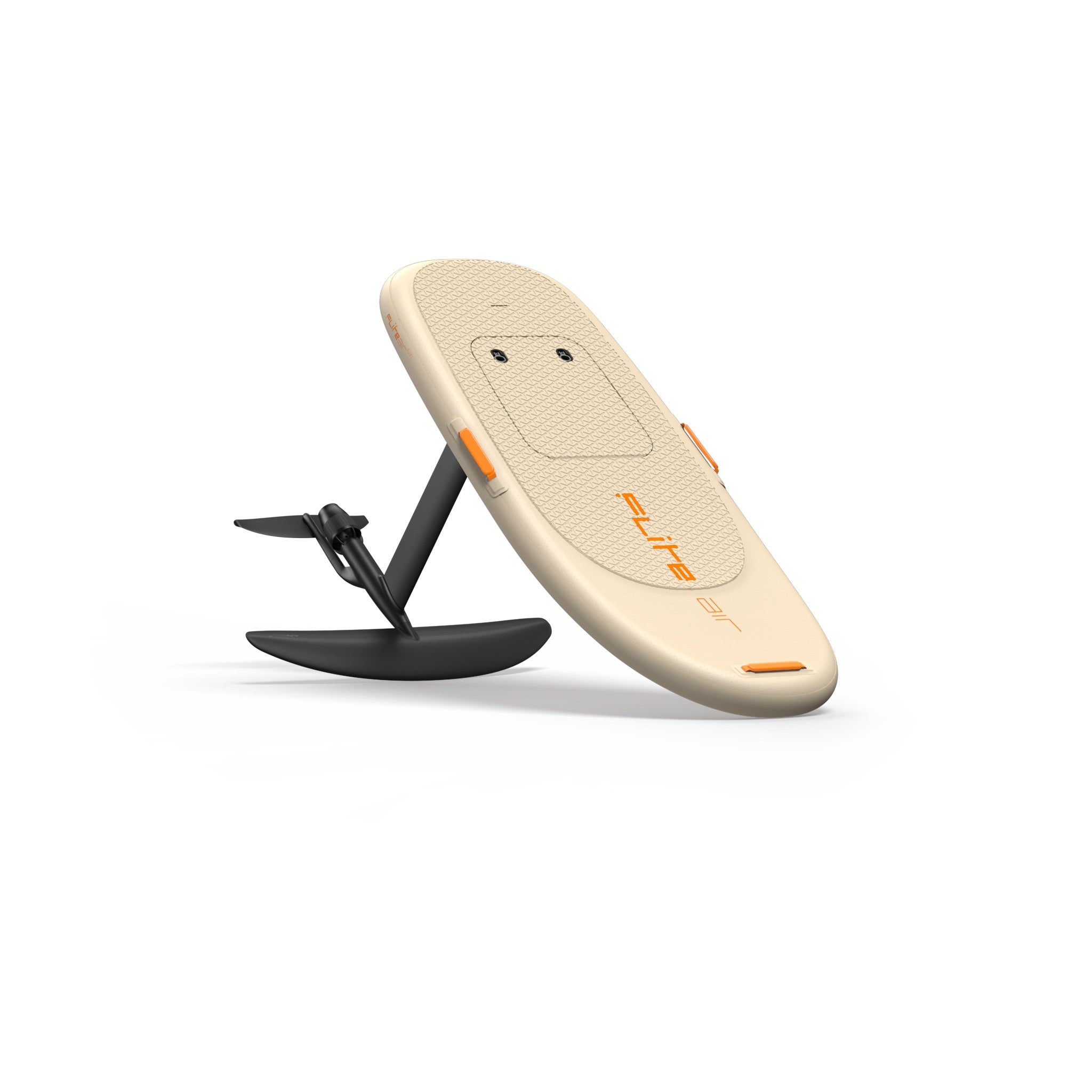
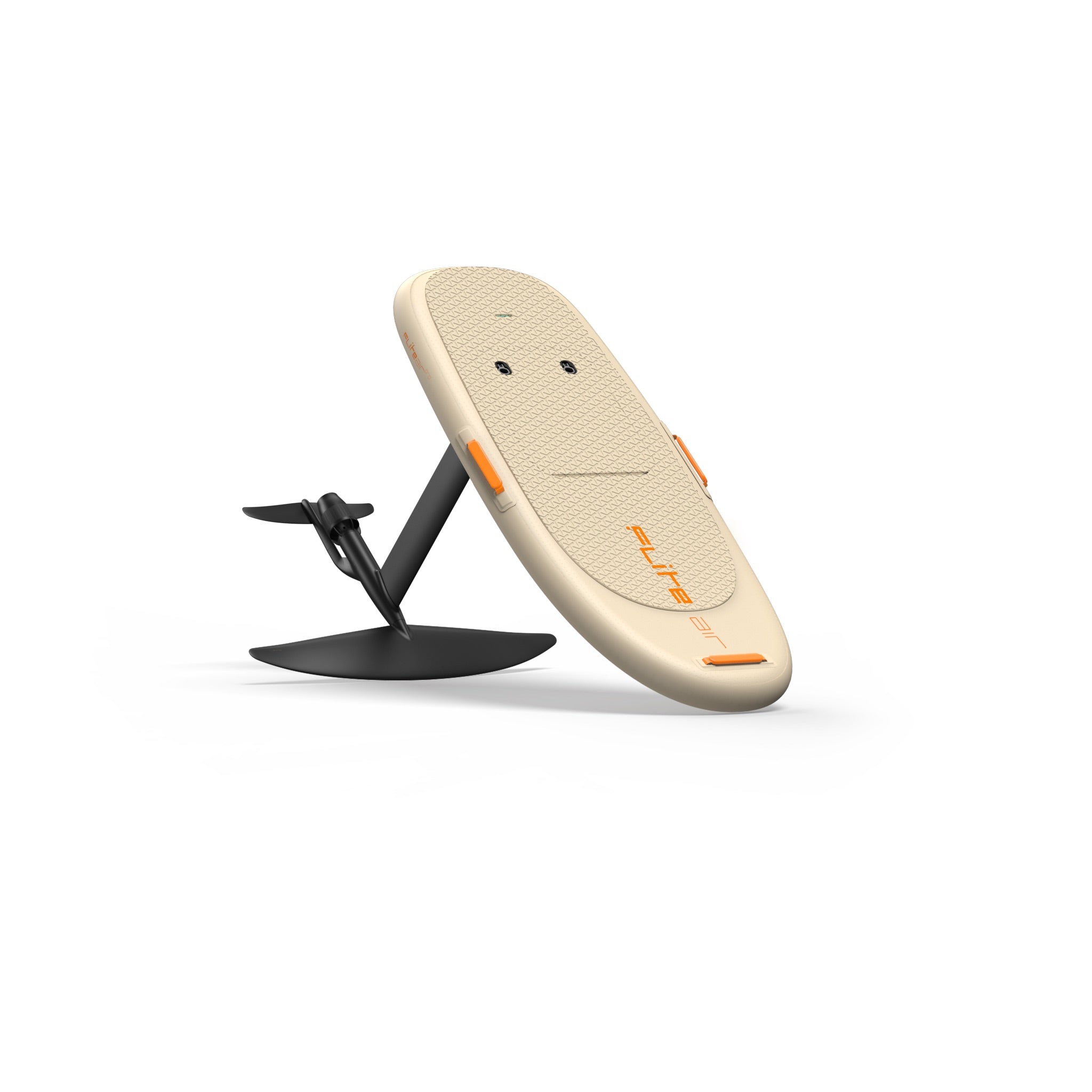


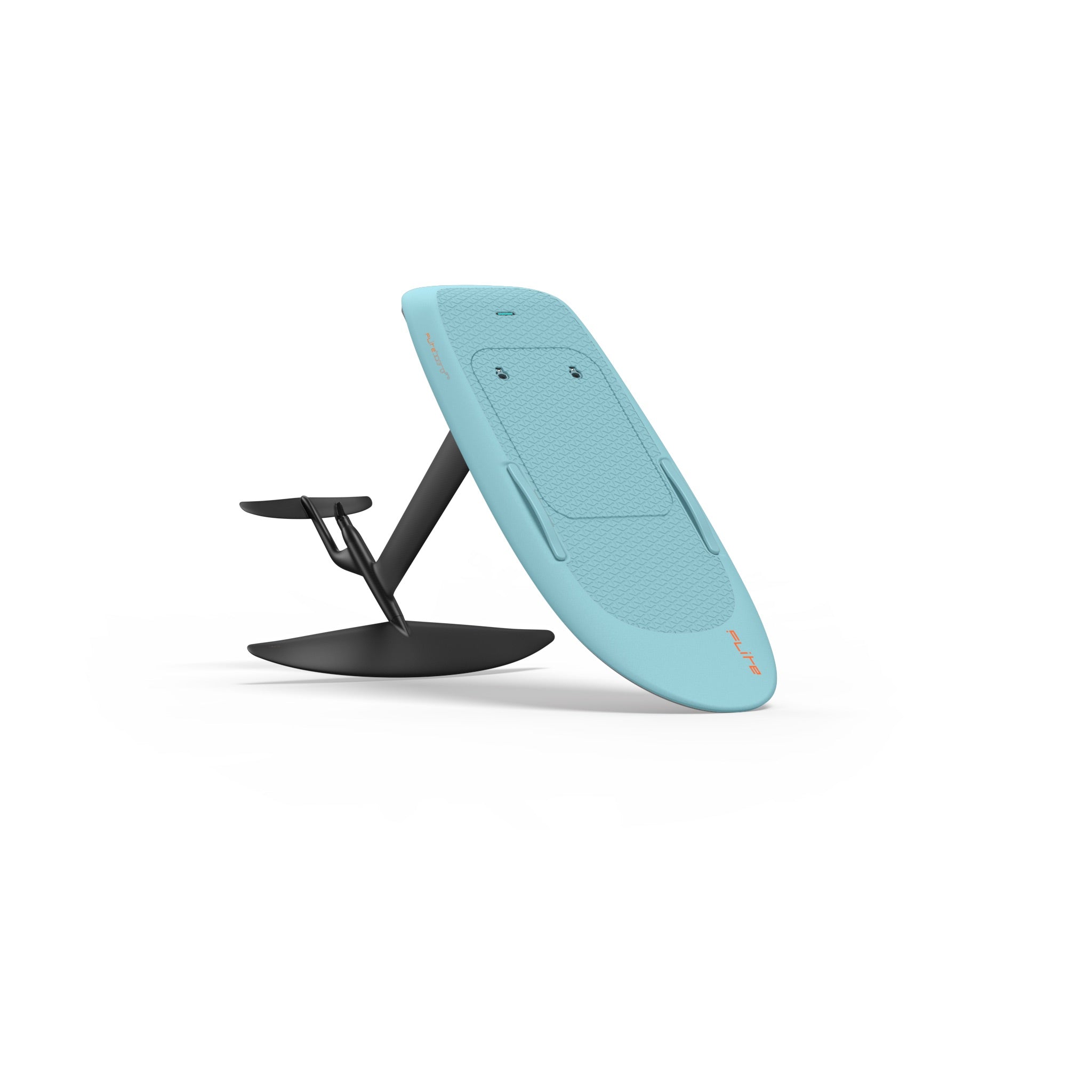
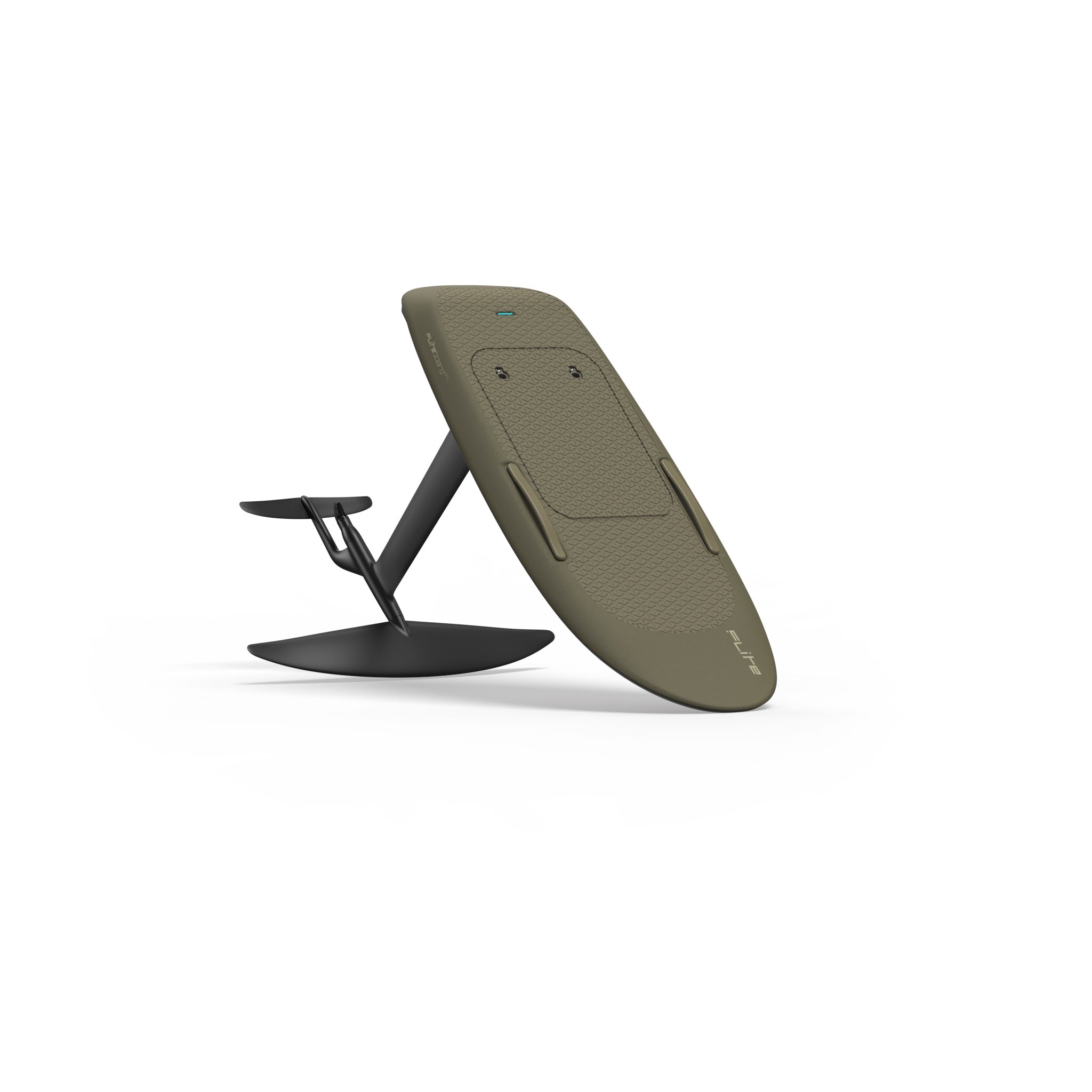




Electric Hydrofoil Board (eFoil)
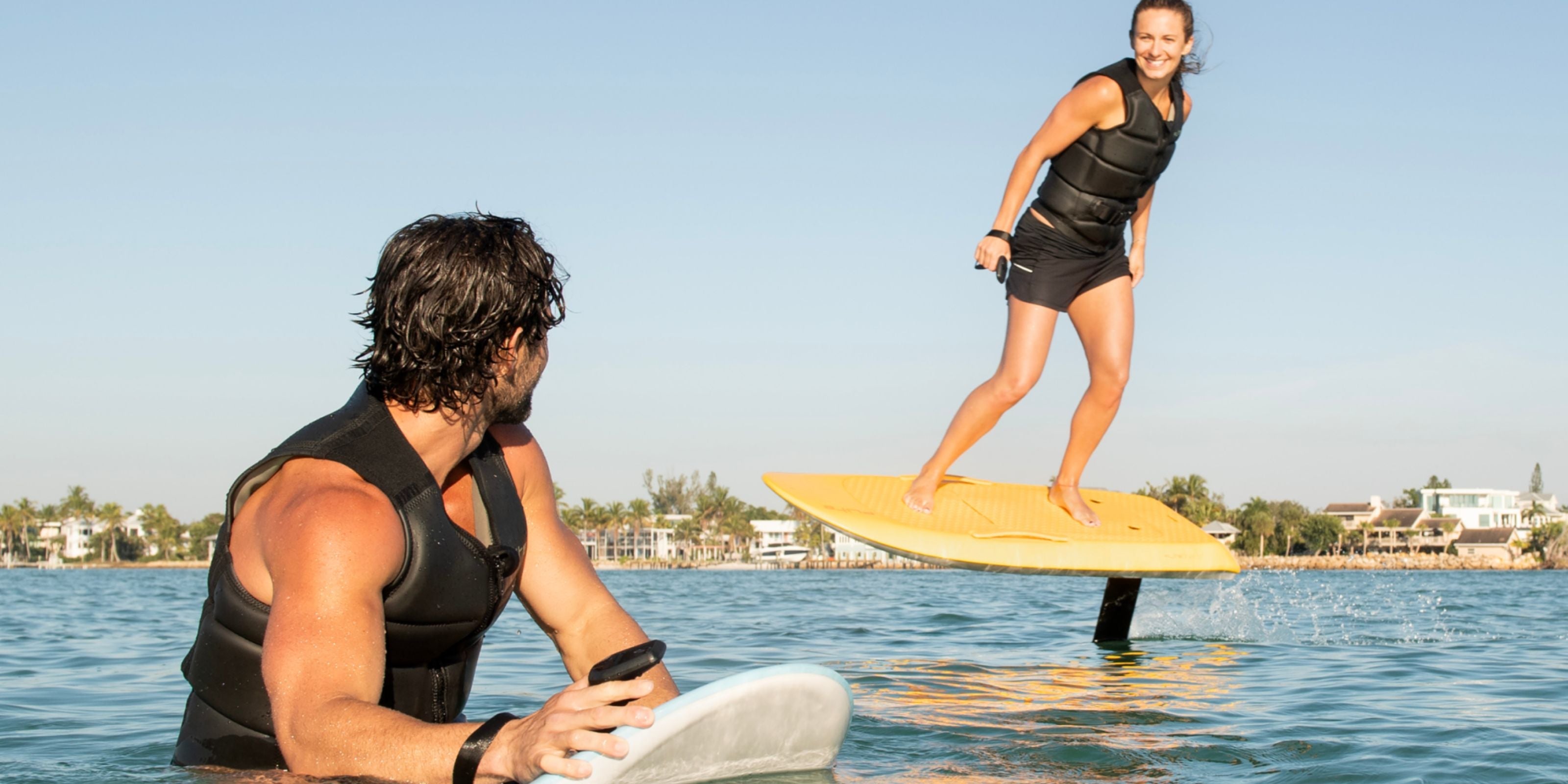
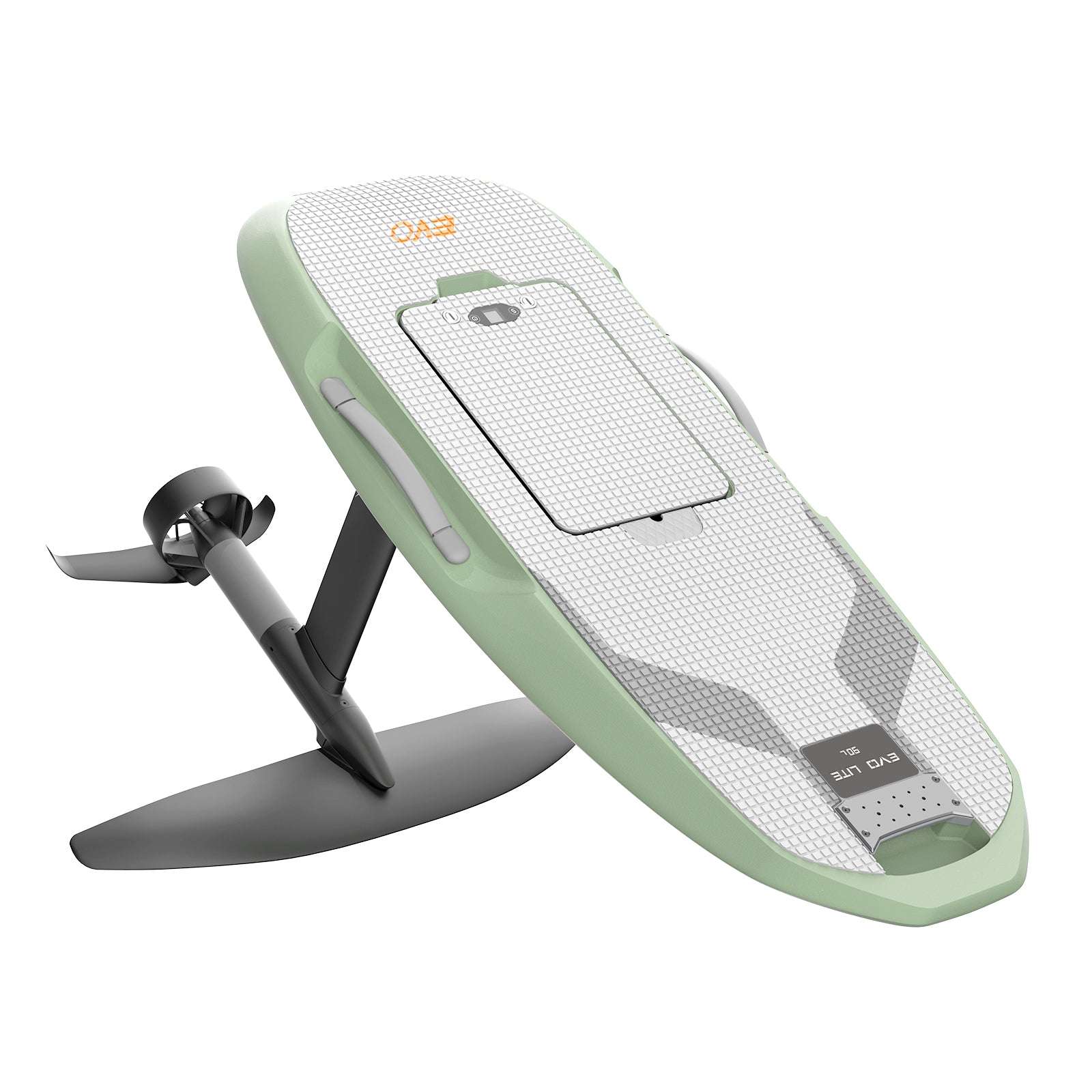
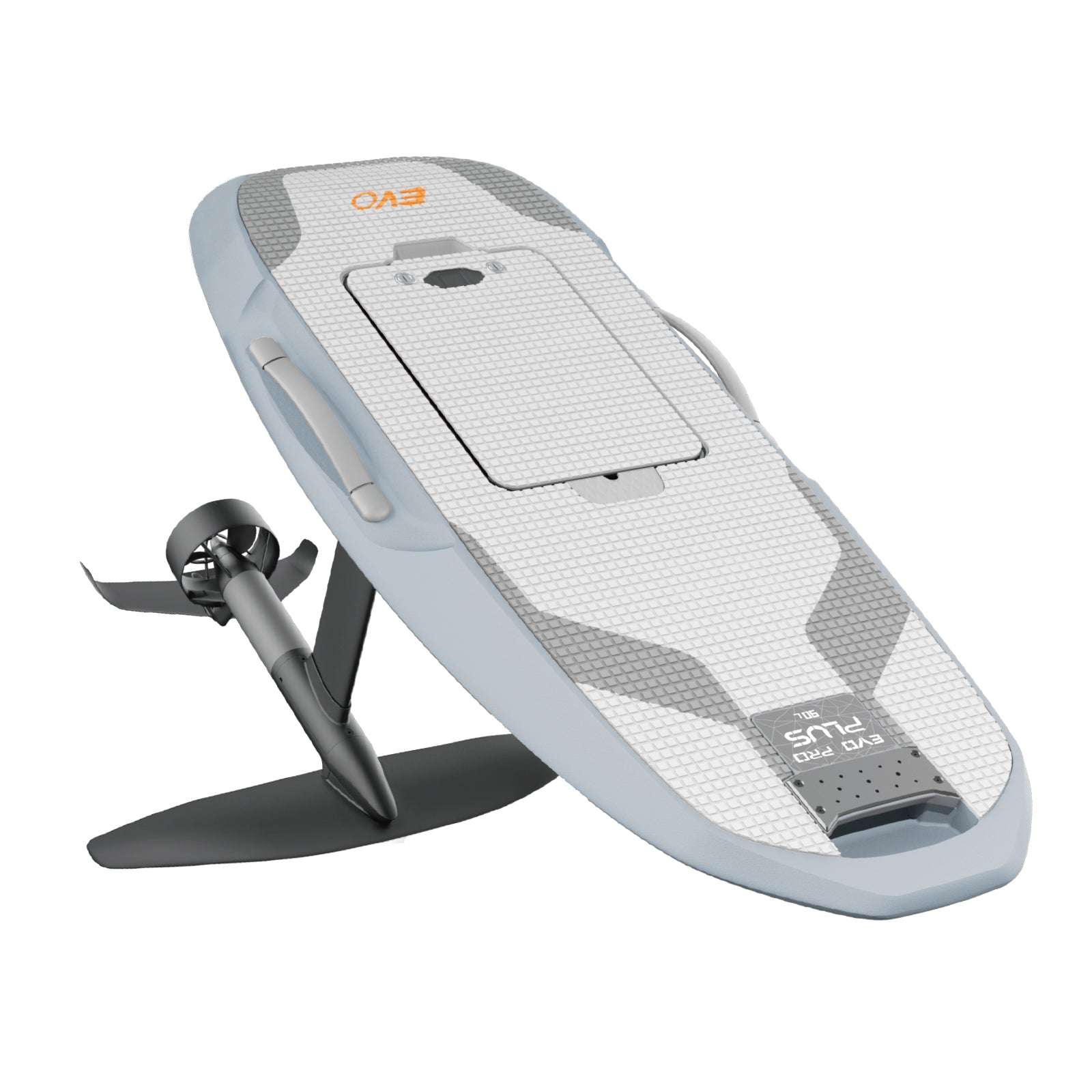
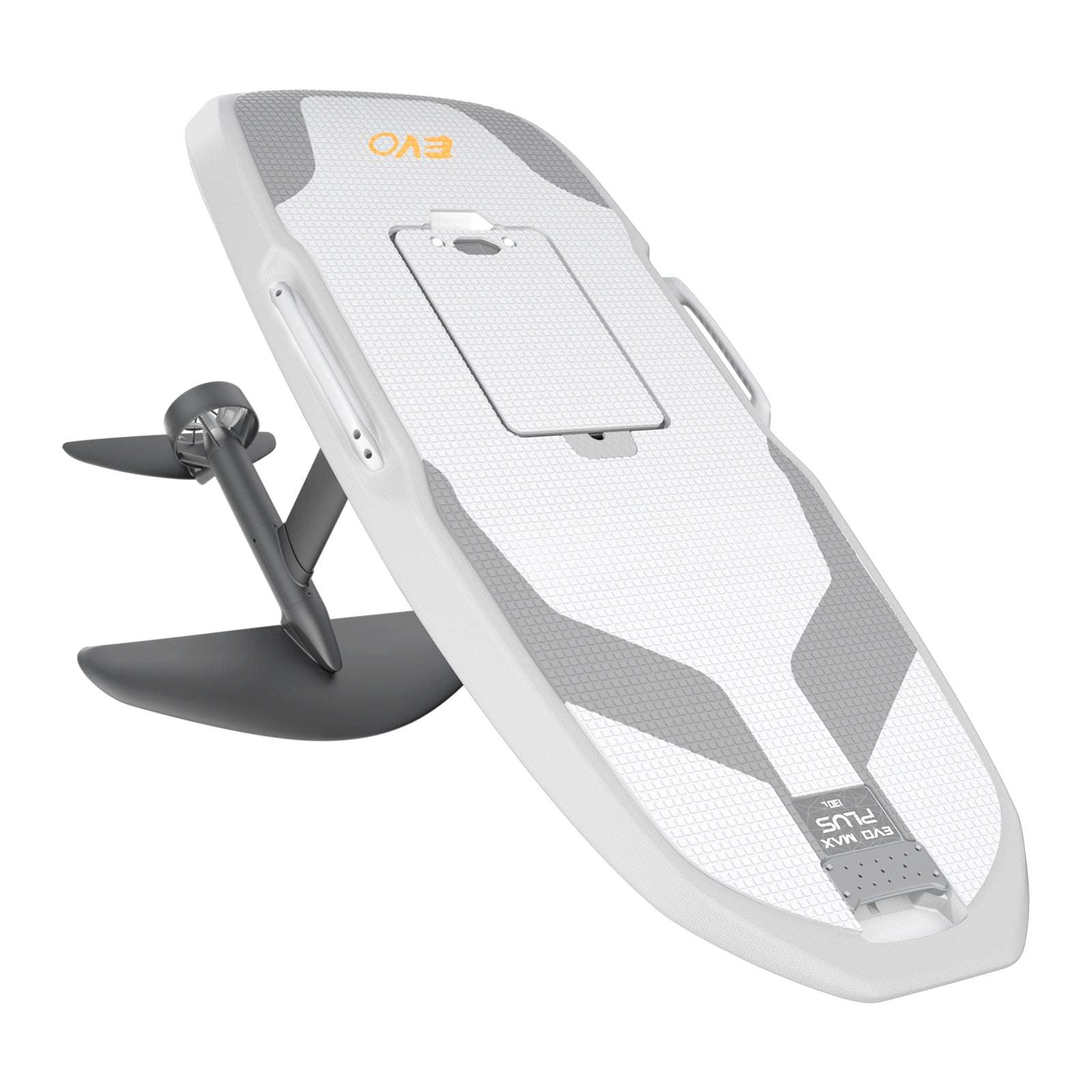
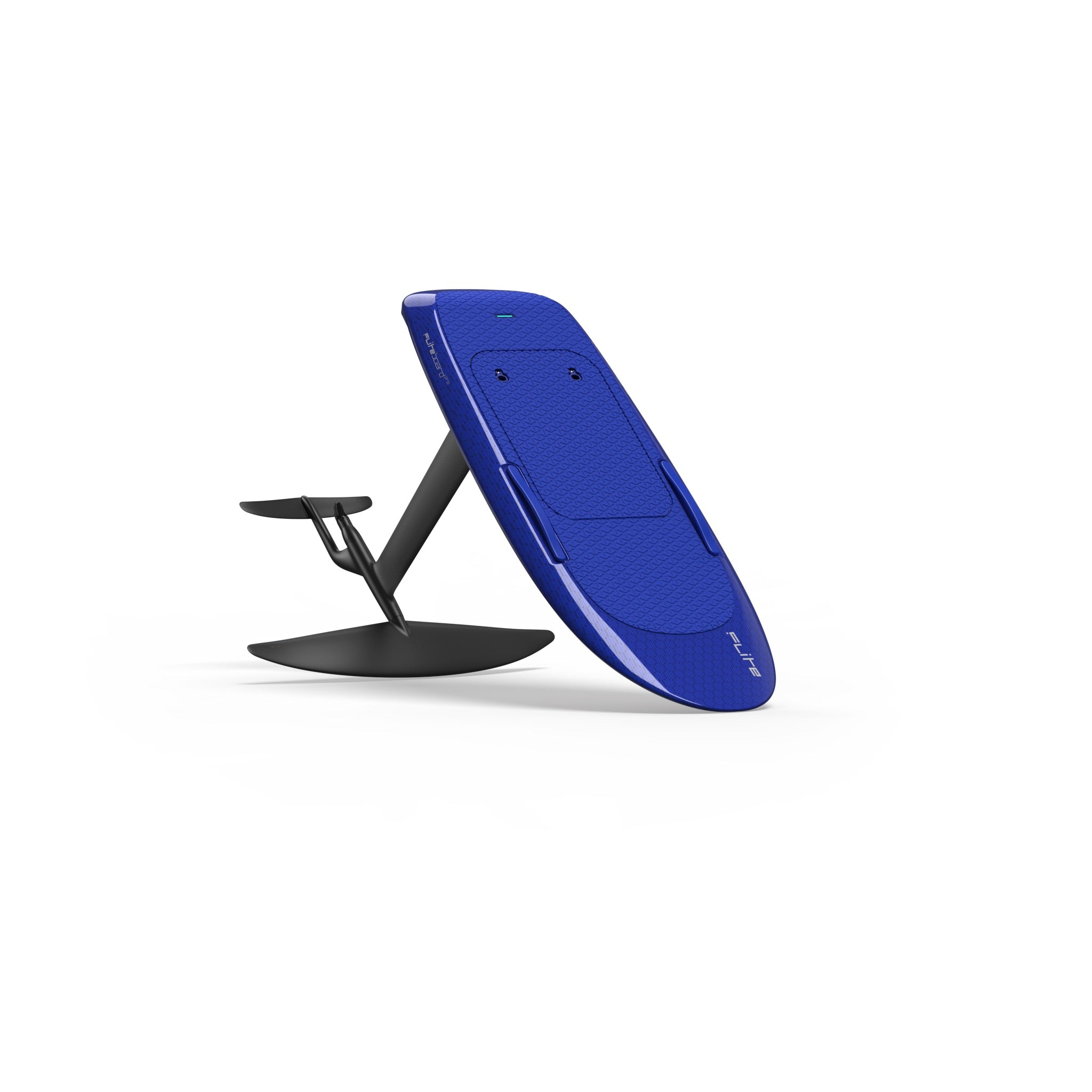
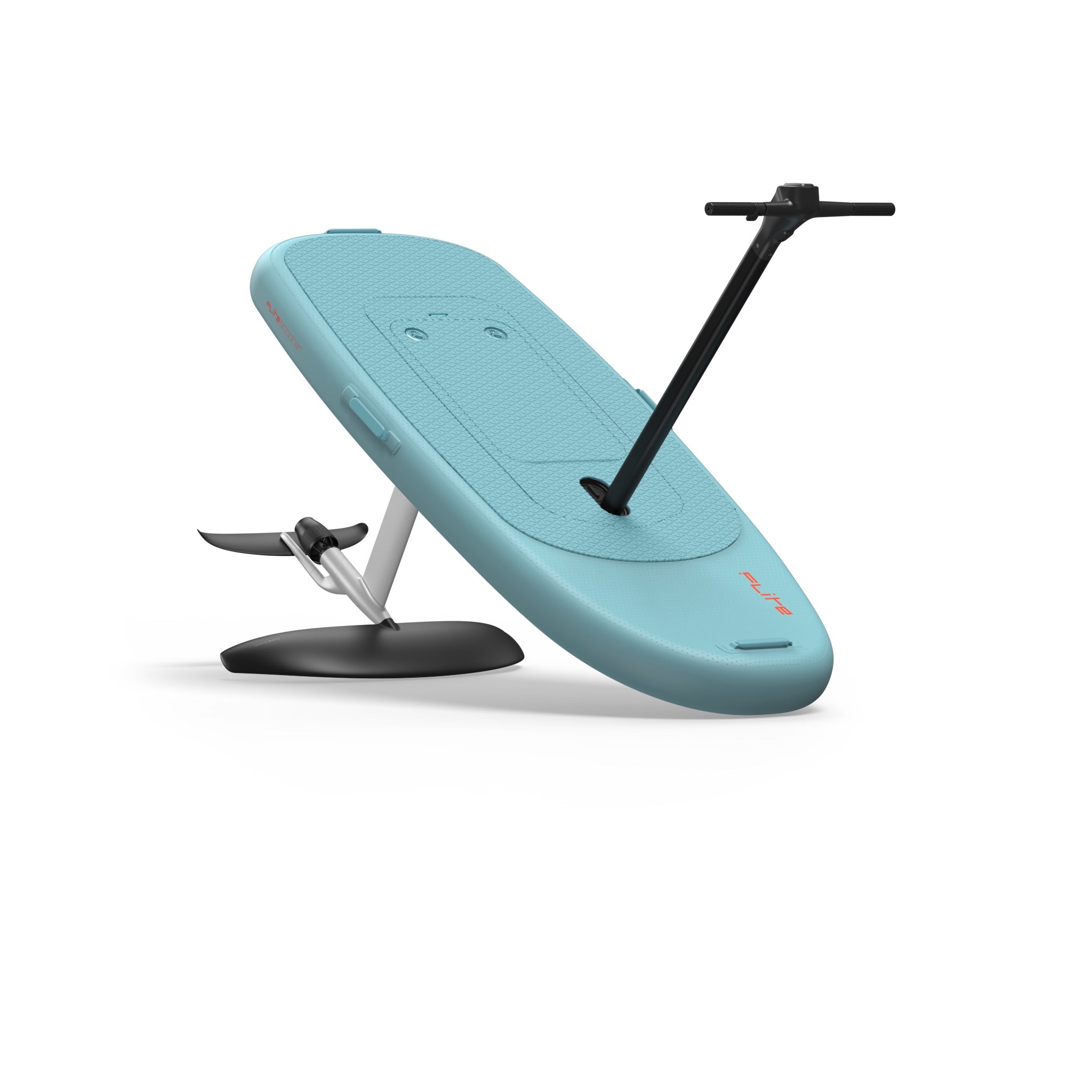
An electric foil, or eFoil, is a hydrofoil surfboard powered by an electric motor. With the help of an underwater wing and an electric propulsion system (propeller or jet), the eFoil board lifts above the water’s surface, delivering an exceptionally smooth, quiet, and stable ride.
The sensation of gliding above the water is why the eFoil is often described as the most advanced electric surfboard of the modern era.
At Bananaway, we offer three clear choices:
- Fliteboard eFoil – the benchmark in the world of eFoiling. The most advanced, modular, and technically refined premium eFoil, designed for riders seeking top-tier performance without compromise.
- Waydoo eFoil – a smart “best buy” option. A reliable and capable eFoil that provides access to the eFoil experience at a more accessible price point, without significant compromise on performance.
- Audi e-tron foil – an eFoil with a strong focus on design, exclusivity, and prestige, created for those who value aesthetics and brand experience alongside performance.
Before making a final purchase decision, we recommend trying an eFoil during one of our eFoil lessons. If you decide to buy, the lesson cost is deducted from the final price, while also giving you a guided first experience and a clearer understanding of which configuration suits you best.
What is an eFoil?
eFoil is short for electric hydrofoil board — a board equipped with an integrated electric propulsion system and hydrofoil. Once the board reaches sufficient speed, the hydrofoil generates lift and raises the board above the water’s surface.
The result is significantly reduced drag, less noise, and greater efficiency compared to traditional electric water boards.
This is why eFoiling is often described as flying above water — quiet, smooth, and incredibly stable.
How Does an Electric Foil Work?
An eFoil combines two key systems:
-
Hydrofoil system (mast, front wing, and stabilizer), which creates hydrodynamic lift
-
Electric propulsion system (motor with propeller or jet drive), which provides the speed needed for lift-off
The key difference between a traditional hydrofoil (wing, kite, surf foil) and an eFoil is propulsion. With an eFoil, lift is powered by the electric motor, allowing you to ride without wind or waves.
Key eFoil Components
eFoil Board
Board volume is one of the most important factors when choosing an eFoil. It must match the rider’s weight and experience level.
- 100–120 liters: more stable and typically recommended for beginners and heavier riders. Greater volume makes learning and balance easier.
- 60–90 liters: more responsive boards for experienced riders, offering greater maneuverability and a stronger performance feel.
Materials
-
Carbon fiber boards – Lightest and most rigid. Provide the most direct power transfer and precise control at higher speeds. Premium performance.
-
Fiberglass boards – Excellent balance between durability, performance, and price. Slightly heavier than carbon but very stable.
-
Inflatable boards (e.g., Fliteboard Air) – More impact-resistant, safer in falls, and easier to transport and store. Ideal for travel, rentals, and schools.
Hydrofoil Mast
The mast lifts you above the water. Its length influences ride feel:
-
60–70 cm mast – More stable and beginner-friendly
-
70+ cm mast – Better for waves and carving; preferred by advanced riders
Propulsion System: Propeller vs Jet
Propeller drive
Highly efficient with direct response and good range. Some models offer a folding propeller that closes when gliding on waves, reducing drag and saving battery.
Jet drive
More enclosed system with fewer exposed moving parts. Often perceived as safer and quieter, with a slightly different ride character.
Front Wing and Stabilizer
-
Larger wing – Easier lift-off and greater stability
-
Smaller wing – Higher speeds and more dynamic performance, but requires more skill
Wings and stabilizers are typically made of fiberglass or carbon fiber for optimal strength, durability, and lightweight performance.
Battery (Li-ion) and Charging
All eFoils use advanced lithium-ion batteries. Differences lie in capacity, cell quality, and battery management systems (BMS).
Typical ride time: 1 to 2.5 hours
Typical range: Up to approximately 25 km (depending on rider weight, battery size, and riding style)
Charging time: 1.5 to 6 hours, depending on charger type
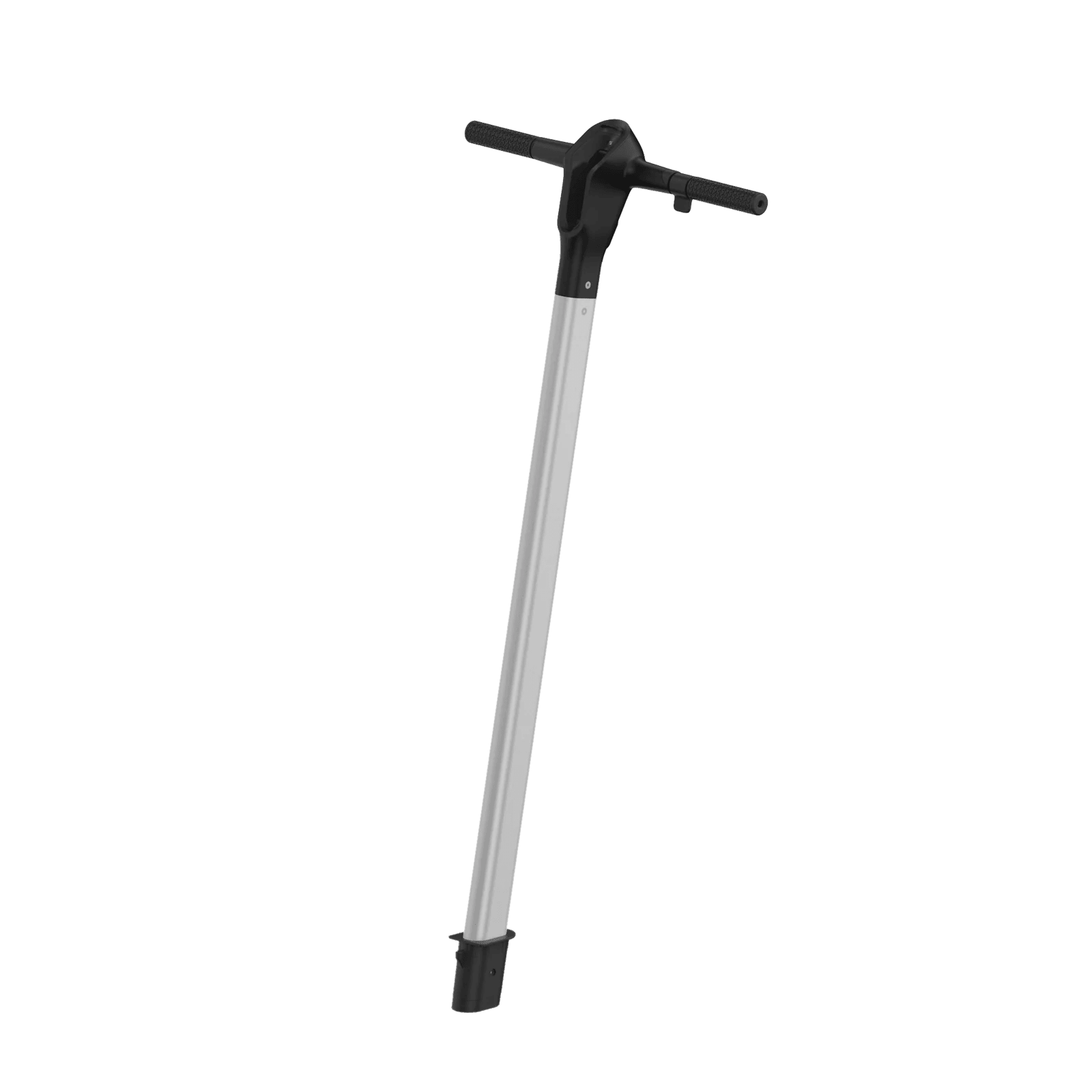
Wireless Remote
The remote controls power and displays essential information:
- Speed
- Battery level
- Estimated range
- Riding mode (on some models)
This ensures a safer and more controlled experience on the water.
How to Choose the Right eFoil (Quick Guide)
Approximate volume recommendations:
- 120 kg → 110L+
- 100 kg → 90L+
- 80 kg → 70L+
- 70 kg → 60L+
In general: the less experienced the rider, the more volume is recommended.
eFoil Price Range
In Europe, eFoil systems typically range between €6,000 and €15,000, depending on battery quality, propulsion system, foil components, and board materials.
An eFoil should be considered a complete system including board, foil, battery, charger, and long-term service support.
Featured Brands
Waydoo eFoil – Best Buy Option
A thoughtful entry into the world of eFoiling. Reliable, stable, and performance-capable, with a strong price-to-value ratio.
Fliteboard – Premium Benchmark
Known for cutting-edge technology, modular design, exceptional ride precision, and a wide range of configurations.
Audi e-tron foil – Design & Prestige
A premium product combining performance with strong visual identity and exclusivity.
Buying an eFoil in Slovenia
At Bananaway, we provide local support, expert advice, and test ride opportunities in Slovenia.
eFoiling is a powerful electric water sport device. Professional instruction and proper safety equipment are strongly recommended for a safe and enjoyable long-term experience.