
Life Jackets & Buoyancy Aids
Filters
12 products




Water Sports Vests – Impact Vests, Buoyancy Aids and Life Jackets
Depending on the type, a water sports vest protects you when you fall and keeps you afloat. An impact vest cushions blows to your chest and back, while buoyancy aids and life jackets have certified buoyancy that keeps you on the surface. Before you buy, decide what you need: impact protection, buoyancy or both.
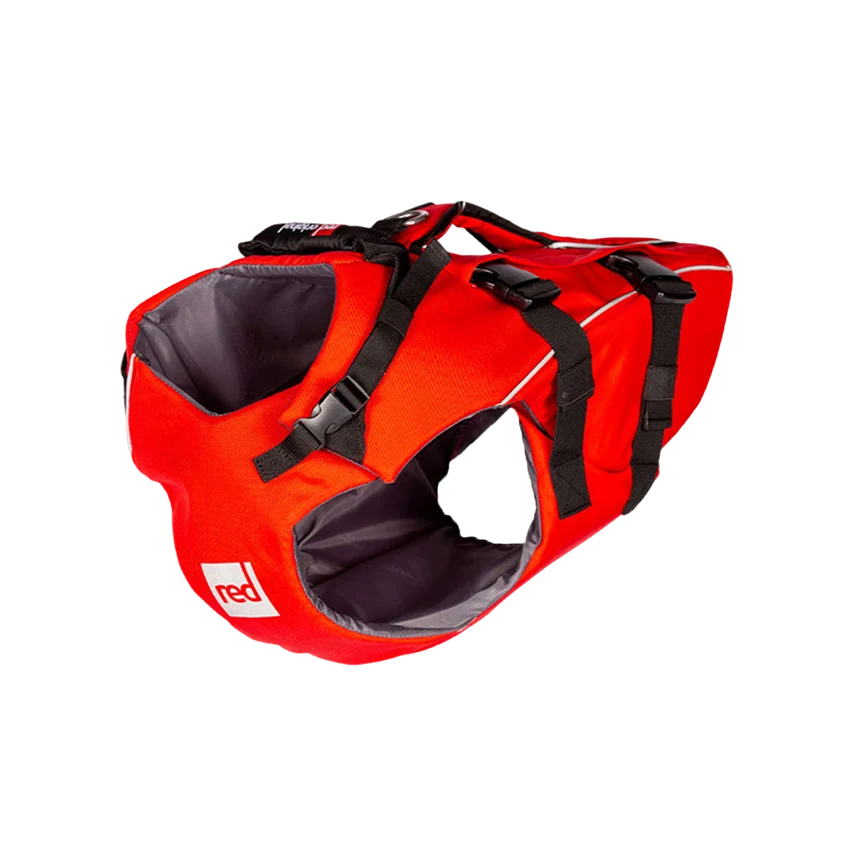
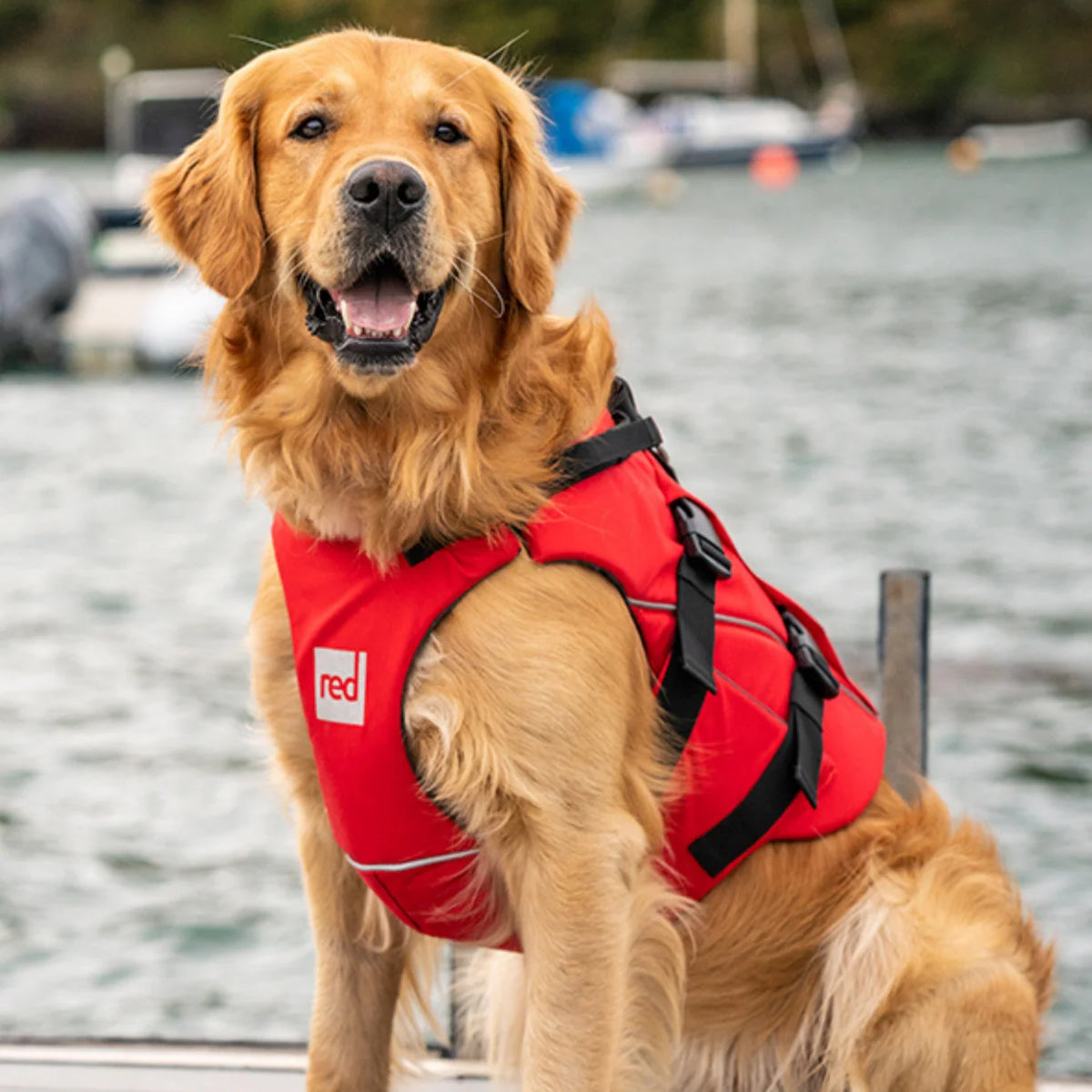
Our range includes men's and women's impact vests for wing foiling, foiling and wakeboarding, an impact vest with 50 N buoyancy, buoyancy aids for adults and kids, an inflatable SUP belt pack and a dog buoyancy aid.
How to Choose a Water Sports Vest
| Sport and who | What to choose |
|---|---|
| Wing foiling, foiling, eFoiling (falls onto the board and foil) | impact vest or 50 N impact vest |
| Wakeboarding and waterskiing (behind a boat, in a cable park) | impact vest or 50 N buoyancy aid |
| Kitesurfing (with a harness) | short, low-profile impact vest |
| Jet skiing (higher speeds) | 50 N buoyancy aid with impact protection |
| SUP on open water (far from shore) | inflatable SUP belt pack |
| Kids who can swim (30–40 kg) | 50 N buoyancy aid |
| Kids who can't swim (under 30 kg) | 100 N life jacket with a collar |
Impact Vest vs Life Vest – What's the Difference?
An impact vest is protective gear, while a life vest is a flotation device. Buoyancy is measured in newtons (N): the higher the number, the more strongly it holds you up.
| Type | Features |
|---|---|
| Impact vest (protective vest) | cushions impacts + snug and flexible + not certified as a flotation device |
| 50 N impact vest | cushions impacts + certified 50 N buoyancy |
| 50 N buoyancy aid | for swimmers near the shore or help + won't turn you onto your back |
| 100 N life jacket | collar keeps your head above water + for non-swimmers and kids |
| Inflatable 50 N belt pack | doesn't get in the way of paddling + you activate it yourself |
A 50 N buoyancy aid is designed for swimmers close to the shore, a boat or help. It won't turn you onto your back, so it isn't suitable for non-swimmers. For kids who can't swim yet, choose a 100 N life jacket with a collar that keeps their head above water.
Impact Vests for Wing Foiling and Foiling
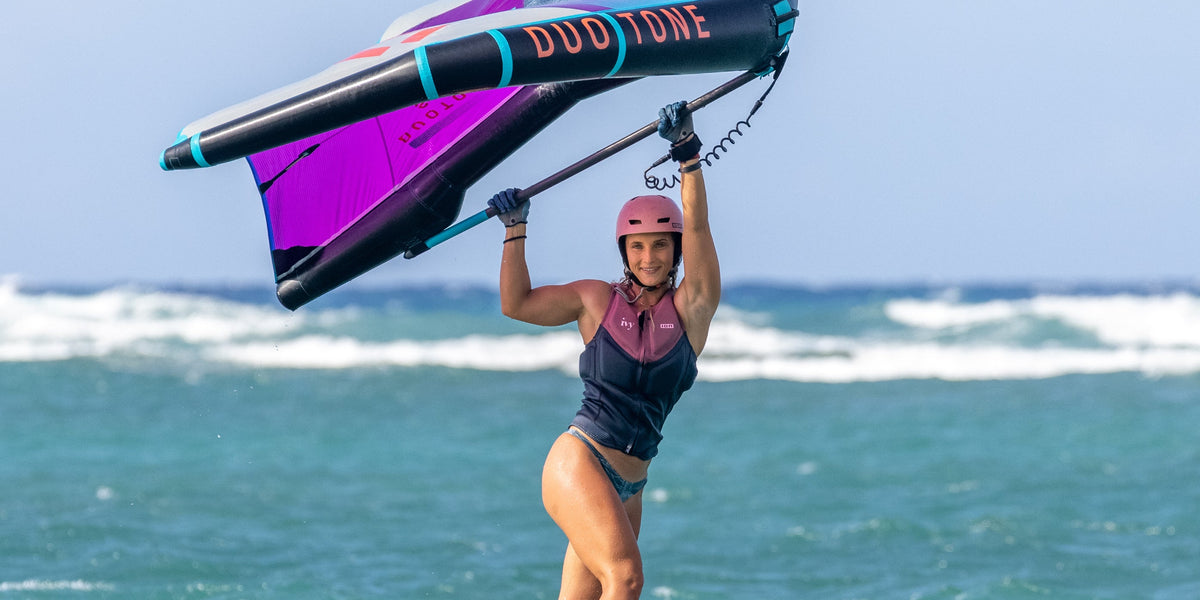
When wing foiling, SUP foiling and eFoiling, you most often fall onto the board, foil or wing, on take-off and in turns. An impact vest protects your ribs, chest and back, but it also needs to leave your arms free for pumping and holding the wing. For foiling, choose a light, snug impact vest with large armholes and foam that doesn't soak up water. If you want buoyancy too, a 50 N certified impact vest is the best choice.
Impact Vests for Wakeboarding and Waterskiing
When wakeboarding, you fall at higher speeds, often onto your back or side. A wakeboard vest has foam all around your torso, and some also have lumbar support for hard landings. Behind a boat, while you wait for the next pull, a 50 N buoyancy aid is practical, while in a cable park and for tricks a thin impact vest won't restrict your movement.
Kitesurfing Vests
When kitesurfing you wear a harness, so choose a short, low-profile impact vest that ends above the harness or is thin enough at the bottom that the harness doesn't squeeze it. The vest protects your torso when you fall from jumps or hit the board. For head protection, see our water sports helmets.
Inflatable SUP Belt Packs
An inflatable belt pack is worn around your waist, so it doesn't get in the way of paddling or pumping. In an emergency, you pull the bladder out of the pouch, put it over your head and pull the cord. A CO2 cartridge instantly inflates it into a 50 N buoyancy aid. It inflates when you pull the cord, not automatically in water, so you need to be conscious and able to act. It's suited to SUP on open water and downwinding, together with a SUP leash.
Kids' Buoyancy Aids and Life Jackets
Choose a kids' vest by your child's weight and whether they can already swim.
- Kids who can swim (30–40 kg): a light 50 N buoyancy aid with large armholes.
- Kids who can't swim, and kids under 30 kg: a 100 N life jacket with a collar that keeps their head above water.
Keep the vest zipped and tightened, even when your child is sitting on a SUP or in a boat.
Women's and Men's Impact Vests
A women's impact vest is cut for a women's figure: shorter in the torso, narrower at the waist and without extra bulk across the chest. A men's vest is wider in the shoulders and longer. For both, the vest should fit snugly so it doesn't shift when you fall.
How to Choose an Impact Vest and the Right Size
- Choose the vest by chest circumference and weight, using the size chart on the product page.
- Zip up the vest and tighten all the straps.
- Grab the vest at the shoulders and pull it upwards: it shouldn't slide up past your chin or ears.
- Swing your arms as if paddling or holding a wing: the vest shouldn't restrict you or rub under your arms.
You'll wear an impact vest over your wetsuit, so try it on in the wetsuit you'll wear on the water.
How to Care for Your Water Sports Vest
After use in the sea, rinse the vest with fresh water and dry it in the shade, not in the sun or on a radiator. On an inflatable belt pack, check the CO2 cartridge and bladder regularly and replace the cartridge after every activation. Replace a damaged or torn vest, as it no longer protects you reliably.
Related categories
Water sports helmets · SUP leashes · Wing foil · Full wetsuits · SUP boards