

Wetsuit Hoods
Filters
7 products
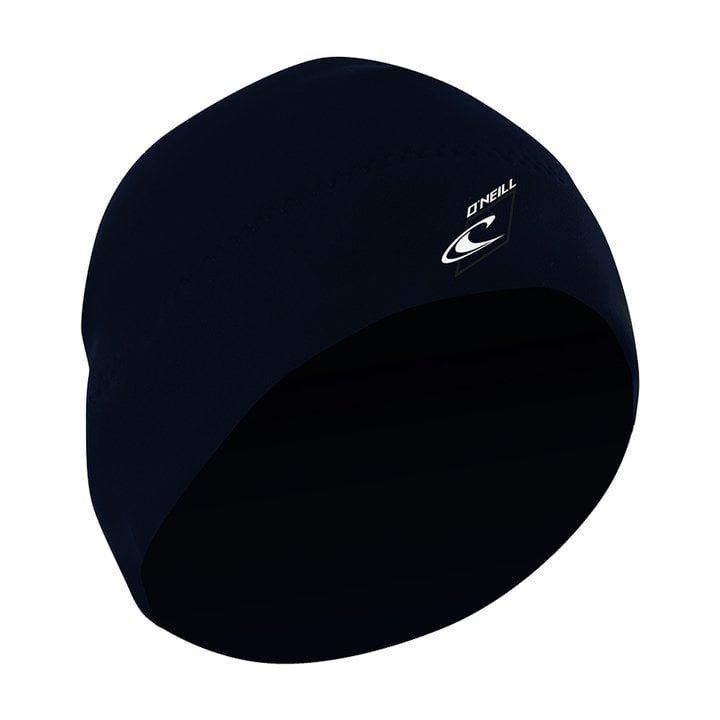

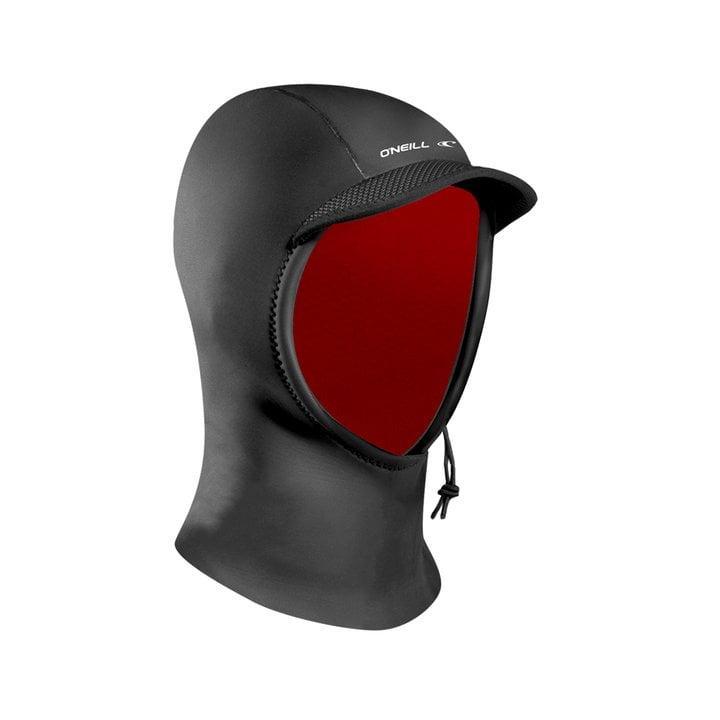
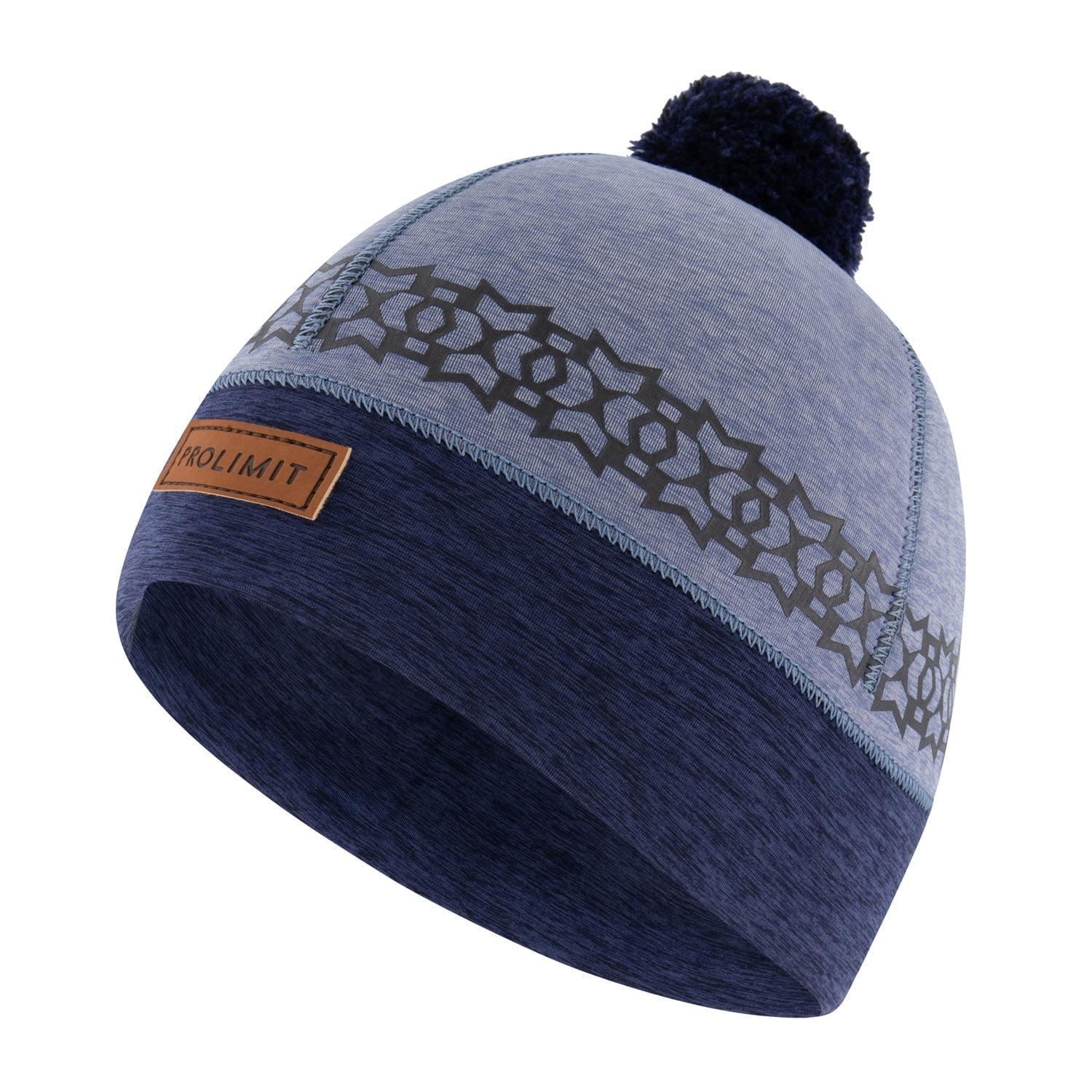
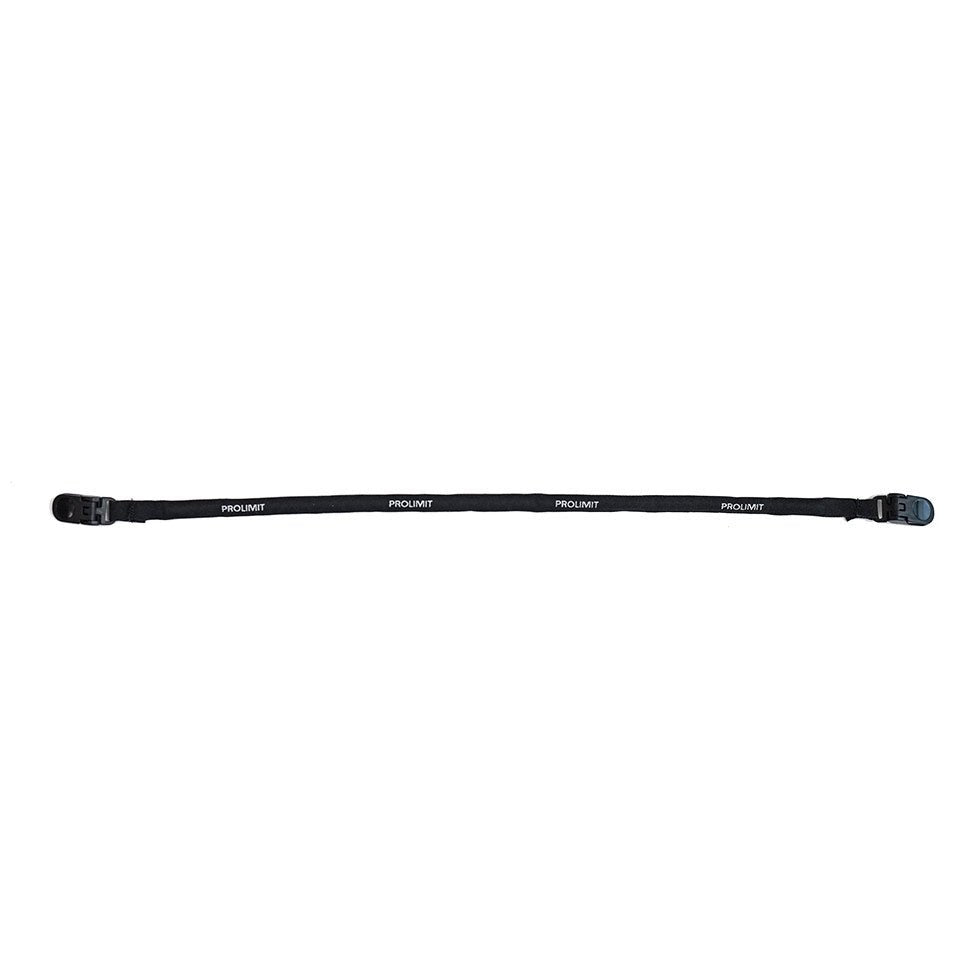


Heat and Protection for Your Head in All Conditions
Wetsuit caps, hoods and headbands keep your head warm and protect your ears from wind, cold water and heat loss. They are an essential accessory for winter SUP, surfing, kitesurfing, wing foiling or cold-water swimming — anywhere you want to maintain warmth, focus and safety on the water.
Why Do You Need a Wetsuit Cap, Hood or Headband?
The head is one of the areas where the body loses heat the fastest — especially in water or strong wind. Rapid cooling affects comfort, performance and safety.
Wetsuit caps, hoods and headbands:
- reduce heat loss
- protect ears from wind and cold water
- prevent “brain freeze” during surfing or cold wipeouts
- improve comfort and allow longer sessions
Types of Wetsuit Headwear and When to Use Them
Wetsuit Headband – For Mild Wind and Warmer Water
A headband is ideal for transitional seasons when a full cap isn’t necessary but wind still cools the ears.
Advantages of a headband:
- protects ears from wind and cold water
- does not overheat the head
- easy to put on and pack away
- minimal restriction during movement
- helps prevent ear inflammation
- does not affect hearing or balance
Headbands cover the entire ear area and partially the back of the neck.
Wetsuit Cap – For Cold, Windy Days
The most versatile choice for autumn and winter water sports. Suitable for water temperatures around 12–17 °C.
Advantages of wetsuit caps:
- excellent insulation for the top of the head
- protection for sensitive ears
- reduces the impact of wind and cold water
- comfortable and secure fit
Wetsuit Hood – Maximum Protection in Very Cold Conditions
Wetsuit hoods are designed for extremely cold water, strong winds and cold ocean conditions.
Advantages:
- maximum thermal insulation
- protects the head, ears, neck and upper back
- prevents cold water from flushing through the collar
- significantly extends time in the water
Recommended when water temperatures drop below 12 °C.
Who Should Use Wetsuit Caps, Hoods and Headbands?
- surfers in cold waves
- kitesurfers, wing foilers and windsurfers (due to wind chill)
- SUP paddlers in windy or winter conditions
- recreational cold-water swimmers
- anyone prone to ear infections
- children and adults who cool down quickly
How Should a Wetsuit Cap Fit?
- It should be snug, without folds
- It should not allow water to enter around the ears
- It should not slip during activity
- It should not feel overly tight or cause headaches
A snug yet comfortable fit is key for proper thermal insulation.