
Kids Wetsuits
Filters
3 products


Children's wetsuits for the sea, lakes, pools and paddle boarding
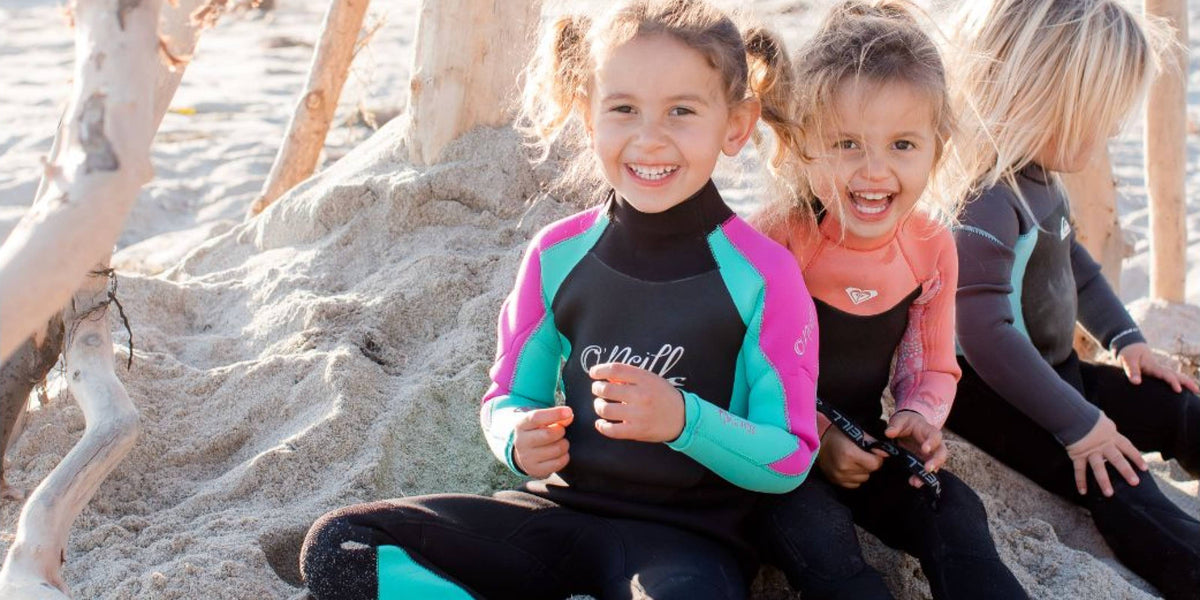
A kids wetsuit is a close-fitting suit made of stretchy neoprene that slows heat loss in the water and protects children from wind, sun and scrapes. Thickness ranges from 1 mm for sunny days to 5 mm and more for cold water. Children lose heat faster than adults, so a wetsuit keeps them playing in the water for longer – well past the point where they'd normally be shivering on a towel with blue lips.

Neoprene hugs the body and traps a thin layer of water against the skin. Body heat warms that layer, so your child stays warm through long splashing sessions, wave jumping or their first strokes on a paddle board. Neoprene also shields covered skin from the sun; for bare skin and the hottest days, go for kids UV rash guards. Gear for the whole family is in all wetsuits and neoprene.
What thickness wetsuit does my child need for the water temperature?
In mid-summer, children rarely need a wetsuit in the Adriatic or in Slovenia's alpine lakes. A wetsuit earns its place in May and June, September and October, when the water is still – or already – on the cool side but kids still want to swim. Because children cool down faster than adults, the recommendations below are one step warmer than a standard adult wetsuit chart.
| Water temperature | When in Slovenia and the Adriatic (approx.) | What to choose for a child |
|---|---|---|
| 26 °C and above | Adriatic and lakes in July and August | no wetsuit needed – a UV rash guard for sun protection; 1 mm for kids who feel the cold |
| 23–26 °C | early and late summer, long swims or paddle boarding | 2 mm shorty |
| 18–22 °C | Adriatic in May, June, September and October; Lake Bohinj in summer and autumn | 3/2 mm full suit; on sunny, windless days a 2 mm shorty or long-sleeve springsuit for swimming |
| 12–17 °C | sea and lakes in April and late autumn | 4/3 mm full suit in calm conditions, 5/4 mm in wind or for longer sessions |
| below 12 °C | rivers, winter and early spring | 5/4 or 6/5 mm with hood, boots and gloves – short, supervised sessions only |
These ranges are a guide and can shift by a few degrees depending on your child's build, activity level and air temperature.
Why kids get colder on the beach or the board than in the water
Once a child gets out of the water, wet skin and a wet wetsuit lose heat through evaporation, and wind chill speeds that up. That's why kids often feel colder on the beach or on a paddle board than in the water itself. On windy or cloudy days, go one step warmer than the table suggests. After swimming, get the wetsuit off straight away and wrap your child in a kids changing poncho.
Shorty or full wetsuit for kids?
A kids shorty is the right call for sunny days and swimming in the shoulder season. A full wetsuit is for windy days, colder lakes and water sports in spring and autumn. When the water is warm, a UV rash guard is enough.
| UV rash guard | Shorty | Full wetsuit | |
|---|---|---|---|
| Keeps warm in water | no | yes, torso | yes, whole body |
| Sun protection | arms and torso | covered areas | almost the whole body |
| Water temperature | 26 °C and above | approx. 20–26 °C, sunny and calm | below 20 °C or in wind |
| Best for | all day at the beach | summer sea, sunny calm days in the shoulder season, swimming, paddle boarding | water and wind sports in spring and autumn |
Kids shorty wetsuit
A shorty covers the torso and the upper arms and legs. It's light, quick to put on and doesn't get in the way of swimming. It's ideal for kids who would swim all day, every day – including in May, June and September. On a sunny, windless day when the water is still a little cool, it adds time in the water without the shivers. In summer, it suits kids who feel the cold or spend hours in the water. Once the wind picks up or clouds roll in, switch to long sleeves or a full suit.
Long-sleeve kids wetsuit (springsuit)
A springsuit combines short legs with long sleeves, adding sun and wind protection for the shoulders and arms. It's a good choice for breezy days, paddle boarding and kids with fair skin.
Full kids wetsuit
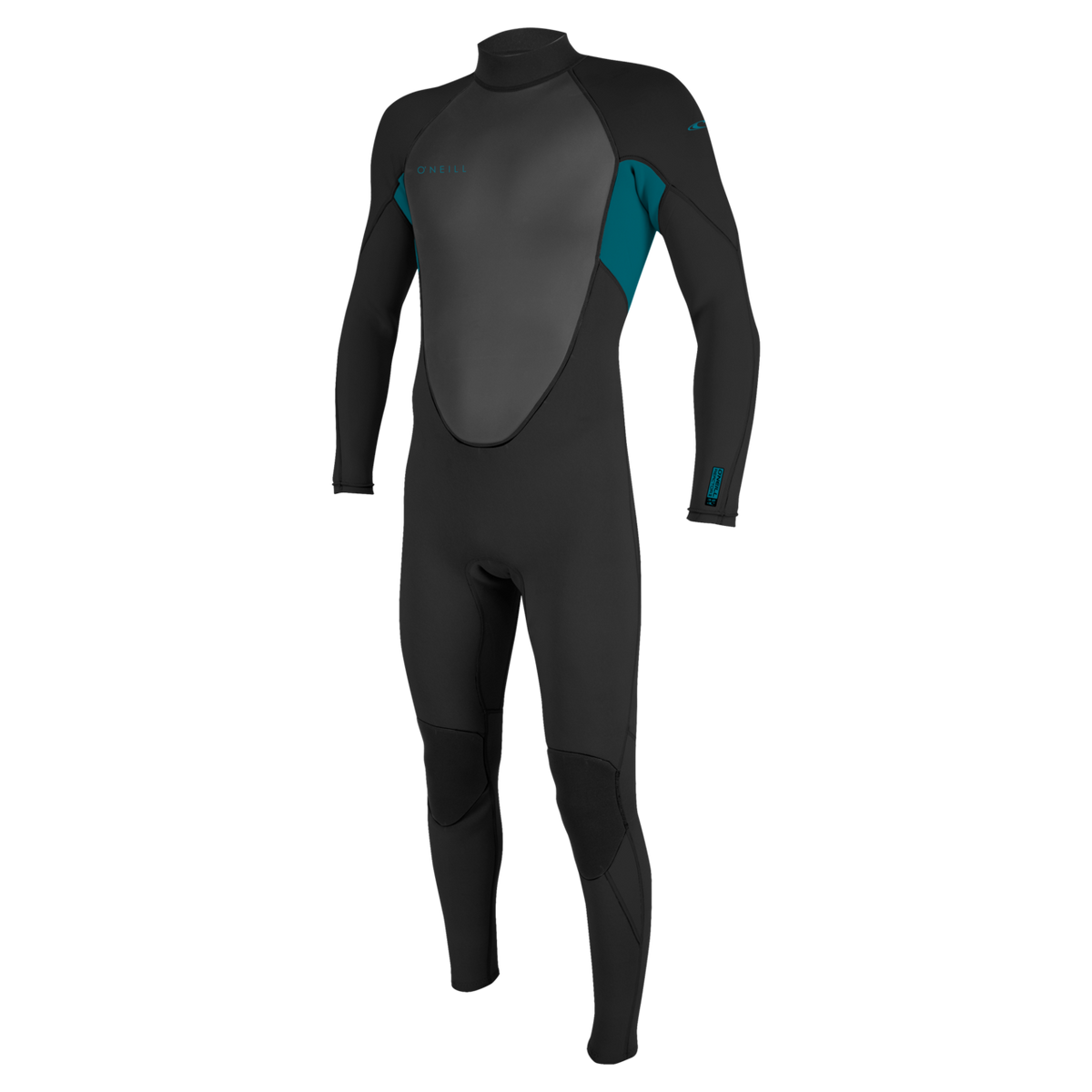
A full wetsuit covers the body down to the wrists and ankles. You'll want one once the water drops below about 20 °C or the wind comes up: in spring and autumn, in lakes and rivers, and for water sports where kids spend a lot of time in the wind.
How to read wetsuit thickness for kids
Thickness is given in millimetres. With two numbers (e.g. 3/2 mm), the first is the thickness on the torso and the second on the arms and legs, where kids need to move freely.
- 1–2 mm – sunny shoulder-season days, swimming, and kids who get cold even in summer
- 3/2 mm – May, June, September and October, lakes, paddle boarding and windy days
- 4/3 and 5/4 mm – cold water in spring and late autumn; 5/4 mm when it's windy
Thicker neoprene is warmer but stiffer, so it's harder to get on and more tiring to move in. For younger children, a good fit matters more than an extra millimetre. Thinner kids wetsuits usually have flatlock seams, while thicker ones use glued and blind-stitched seams that let in less water.
Back zip or chest zip?
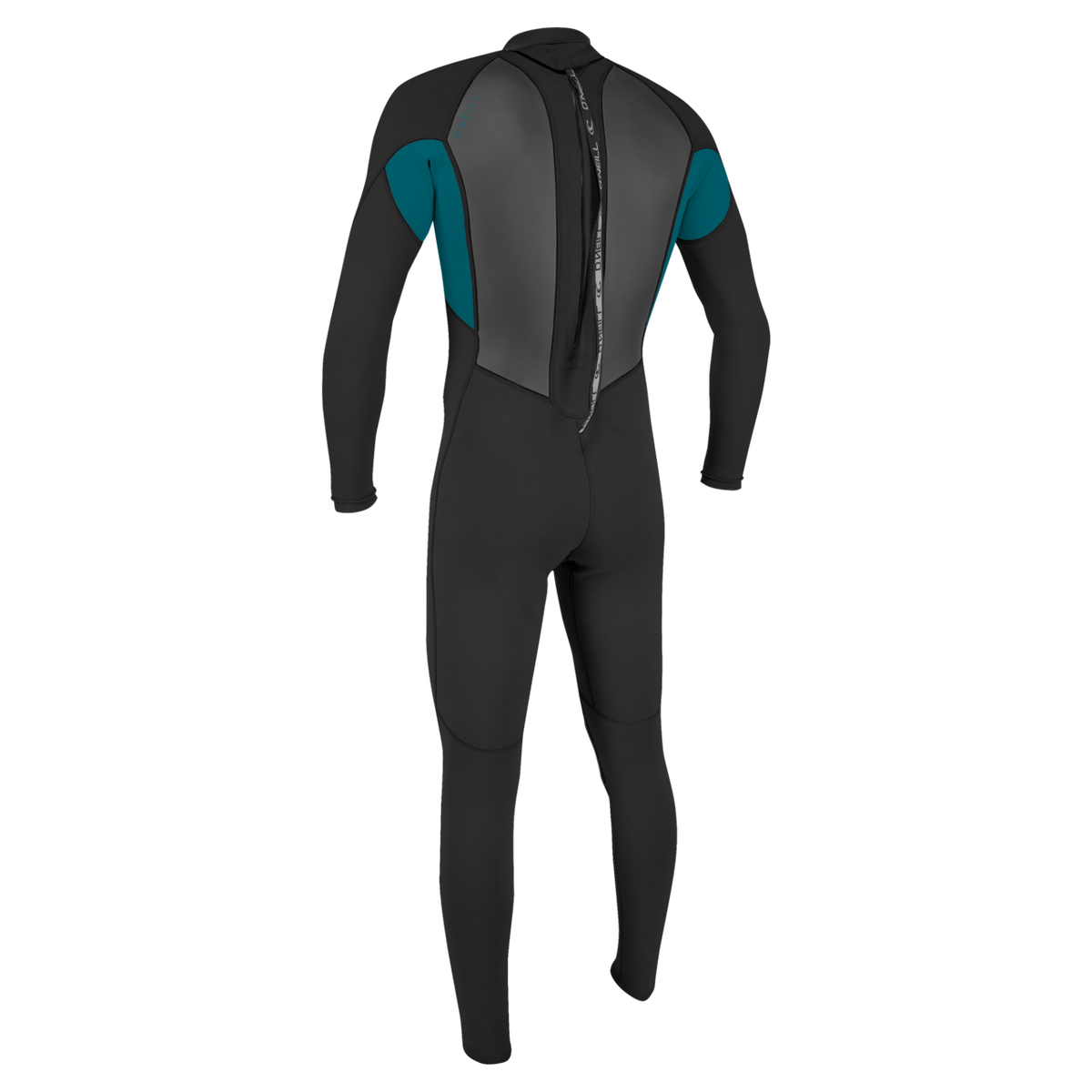
Most kids wetsuits have a back zip because it makes the suit the easiest to get on and off, even when wet. A long zip cord lets children close it themselves. A chest zip seals better and lets in less water, so you'll mostly find it on thicker suits for older kids who already surf or sail.
How to choose the right kids wetsuit size
Kids wetsuit sizes are numbered roughly by age, but your child's height and chest measurement are more reliable. Always check the size chart on the product page.
- the suit should fit like a second skin, with no folds,
- creases under the arms or at the lower back mean it's too big,
- if your child can't raise their arms or squat freely, it's too small,
- the neck should seal without choking,
- older kids who outgrow the largest kids size move on to adult XS or S full wetsuits.
Girls' and boys' cuts differ very little for younger children; the difference is mostly in colours and prints. The most reliable way to get it right is a fitting, so bring your child to our shop in Ljubljana and we'll help you choose. Looking for a size or thickness we don't have in stock? Just ask.

Toddler and baby wetsuits
For babies and toddlers in warm summer water, a UV rash guard is often all they need: it blocks the sun without overheating them. If your toddler gets cold quickly, ask us in store about the smallest wetsuit sizes.
How to put a wetsuit on a child
The easiest trick is a small plastic bag over the foot and hand. Slip the bag over your child's foot and push the foot through the leg of the wetsuit, so it slides through without catching. Take the bag off and repeat on the other leg, then on both arms. Put the wetsuit on while your child is still dry, as wet neoprene sticks to the skin. Pull the material with your fingertips, not your nails, so you don't damage it. To take it off, peel it inside out like a sock – it comes off much more easily.
Kids wetsuits for swimming and paddle boarding
For swimming, choose a thin 1–2 mm wetsuit, ideally without seams under the arms so it doesn't rub during strokes. A swim wetsuit for kids is handy for lessons in outdoor pools, in lakes, or in the sea in May, June and September.
When paddle boarding with kids, children spend most of their time on the board but often fall or jump in, and a wet body loses heat fast in the wind. That's why a 2 mm shorty or long-sleeve springsuit works well on sunny days, while a full suit is better in spring, autumn and whenever it's windy. A wetsuit adds a little buoyancy but is no substitute for a buoyancy aid or life jacket. For a board sized for children, see our kids paddle boards.
How do I know my child is getting cold?
Kids rarely say they're cold while they're having fun. Shivering, blue lips and pale skin mean it's time to get out of the water. Clumsiness and going unusually quiet are warning signs too. Get the wetsuit off, dry your child and dress them warmly. If it keeps happening, go for a thicker wetsuit or a full suit.
Why quality matters in a kids wetsuit
Stretchier neoprene is easier for kids to get into and move in, so they're happier to wear it. Softer material rubs less, and well-made seams let in less water. That's why you pay for comfort and warmth, not just thickness.
Who is a kids wetsuit for?
- kids who spend hours in the water and never want to get out,
- kids who get cold easily, even in summer,
- sea swimming in May, June, September and October, plus lakes and rivers,
- beginners in swimming, surf and paddle boarding lessons,
- school trips, summer camps and first water adventures,
- snorkelling, where kids swim slowly for a long time and cool down faster.
What to wear with a kids wetsuit
- Feet: wetsuit boots protect against sharp rocks, sea urchins and hot sand, and keep feet warm in cold water.
- Head: a neoprene cap or hood holds in heat in cold water and wind.
- After swimming: a changing poncho so your child can get changed and warm up quickly.
How to care for a kids wetsuit
After every use, rinse the wetsuit in fresh water, dry it inside out in the shade and store it on a wide hanger. Don't leave it in the sun or scrunched up in a bag. For washing, use the care products in wetsuit accessories.
Related categories
All wetsuits and neoprene · Full wetsuits · Wetsuit boots · Wetsuit hoods · Wetsuit accessories · Kids UV rash guards · Kids changing ponchos · Kids paddle boards