
Parawings
Filters
5 products
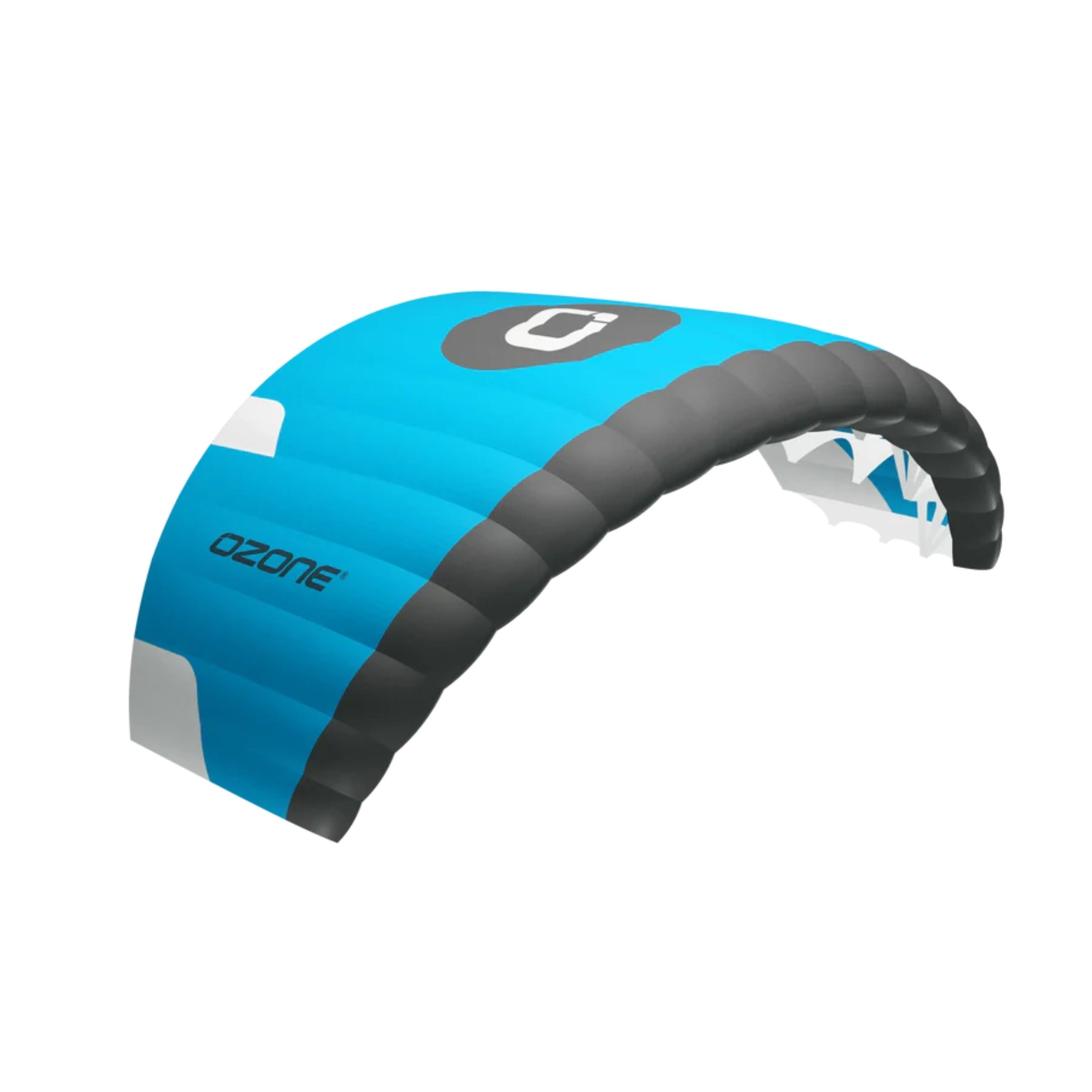
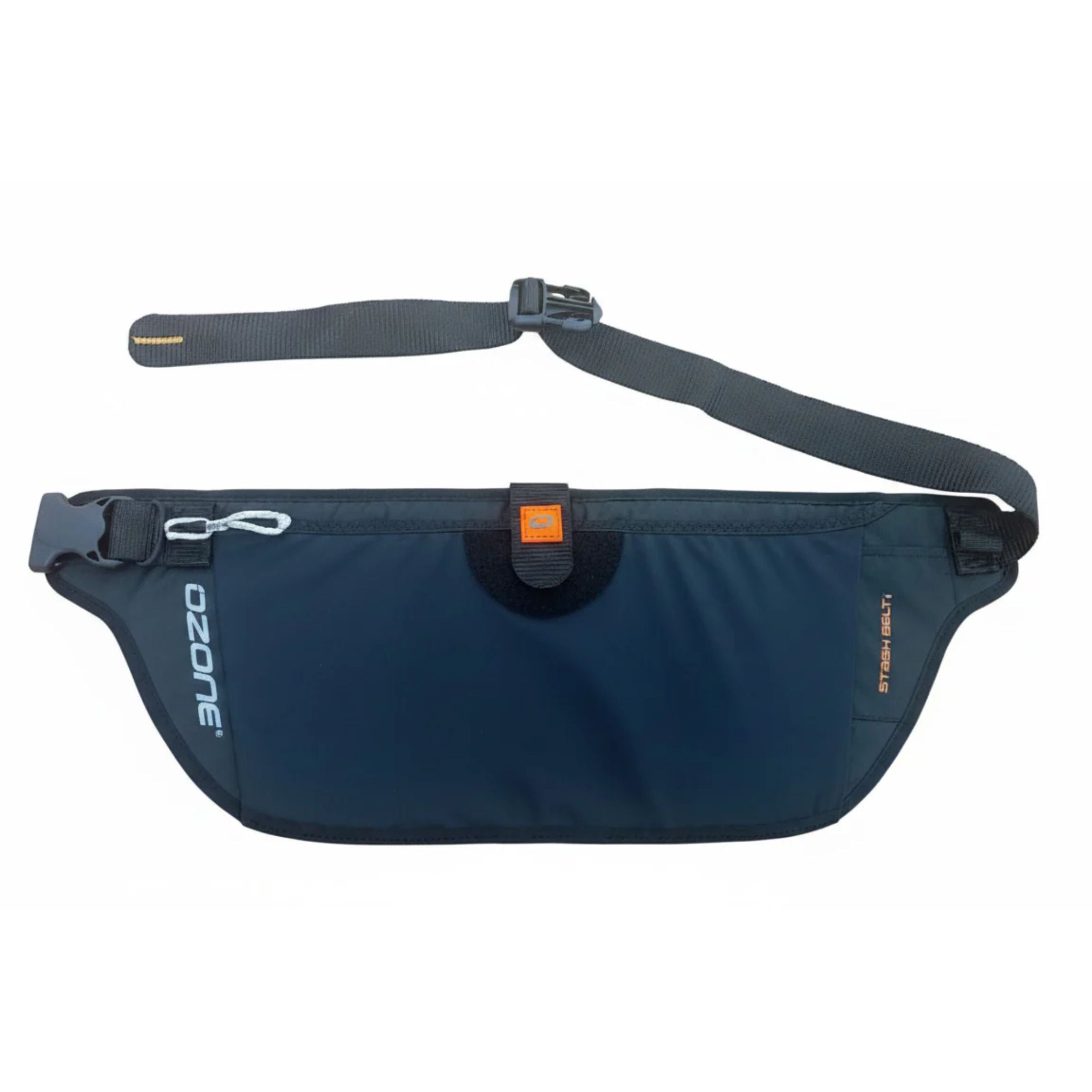
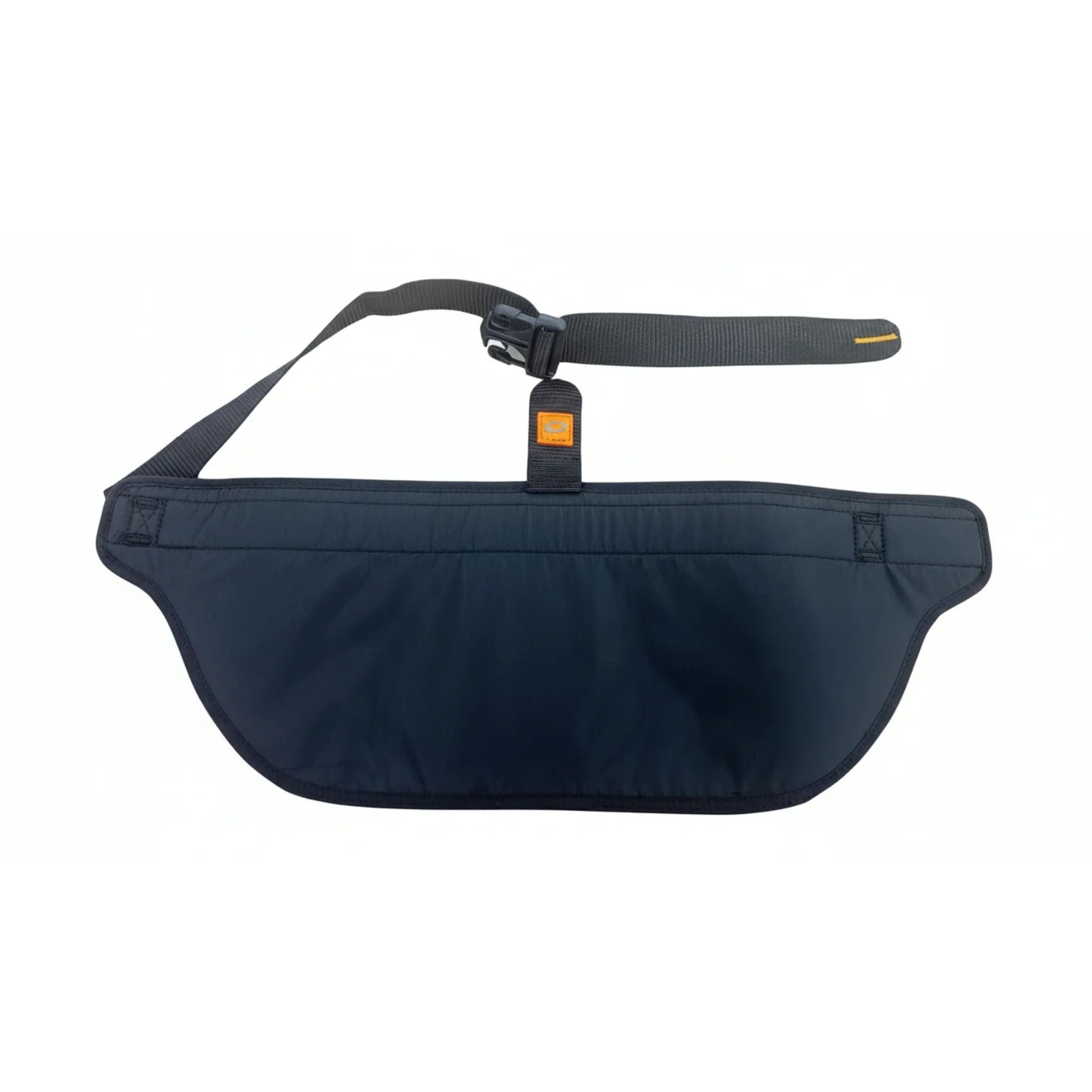
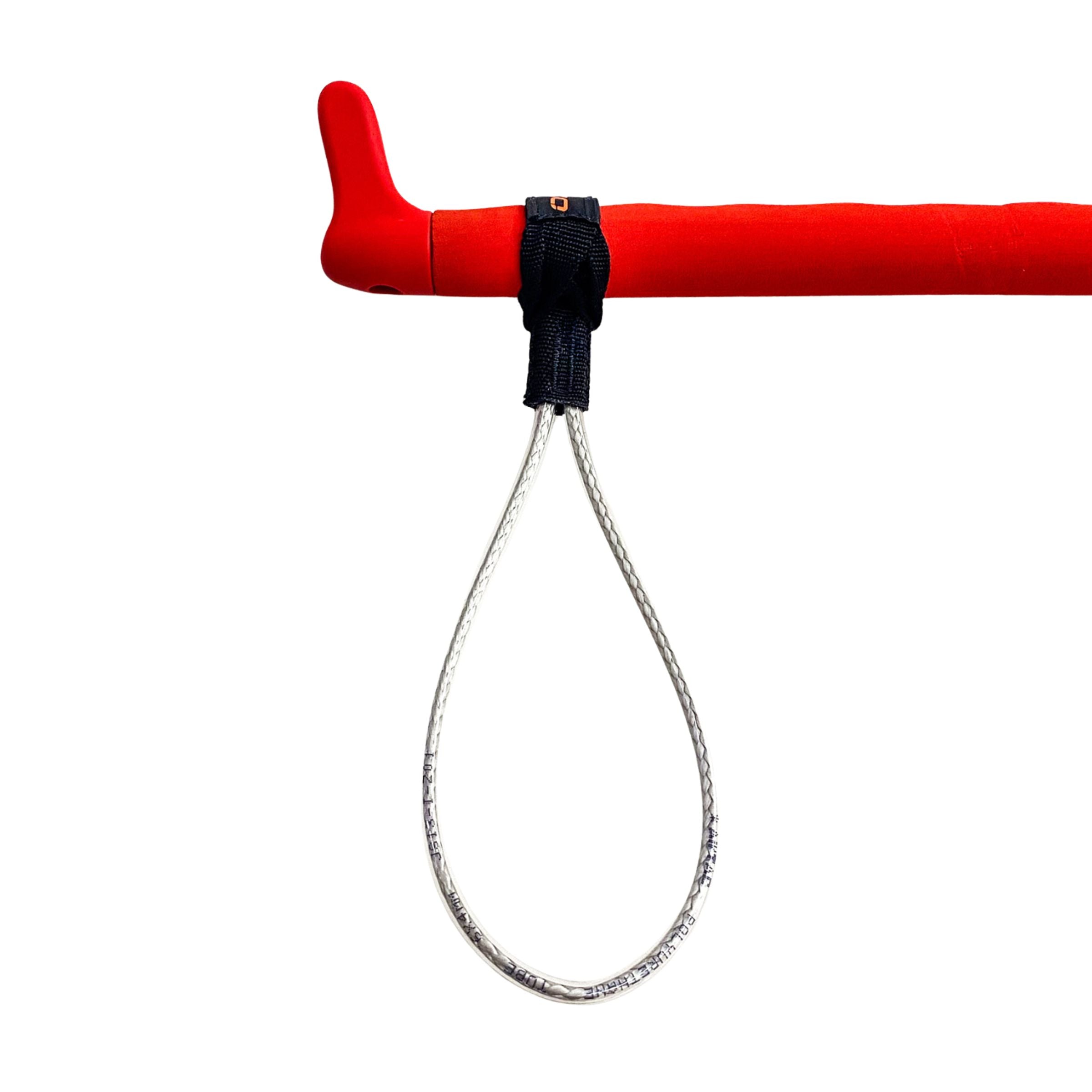
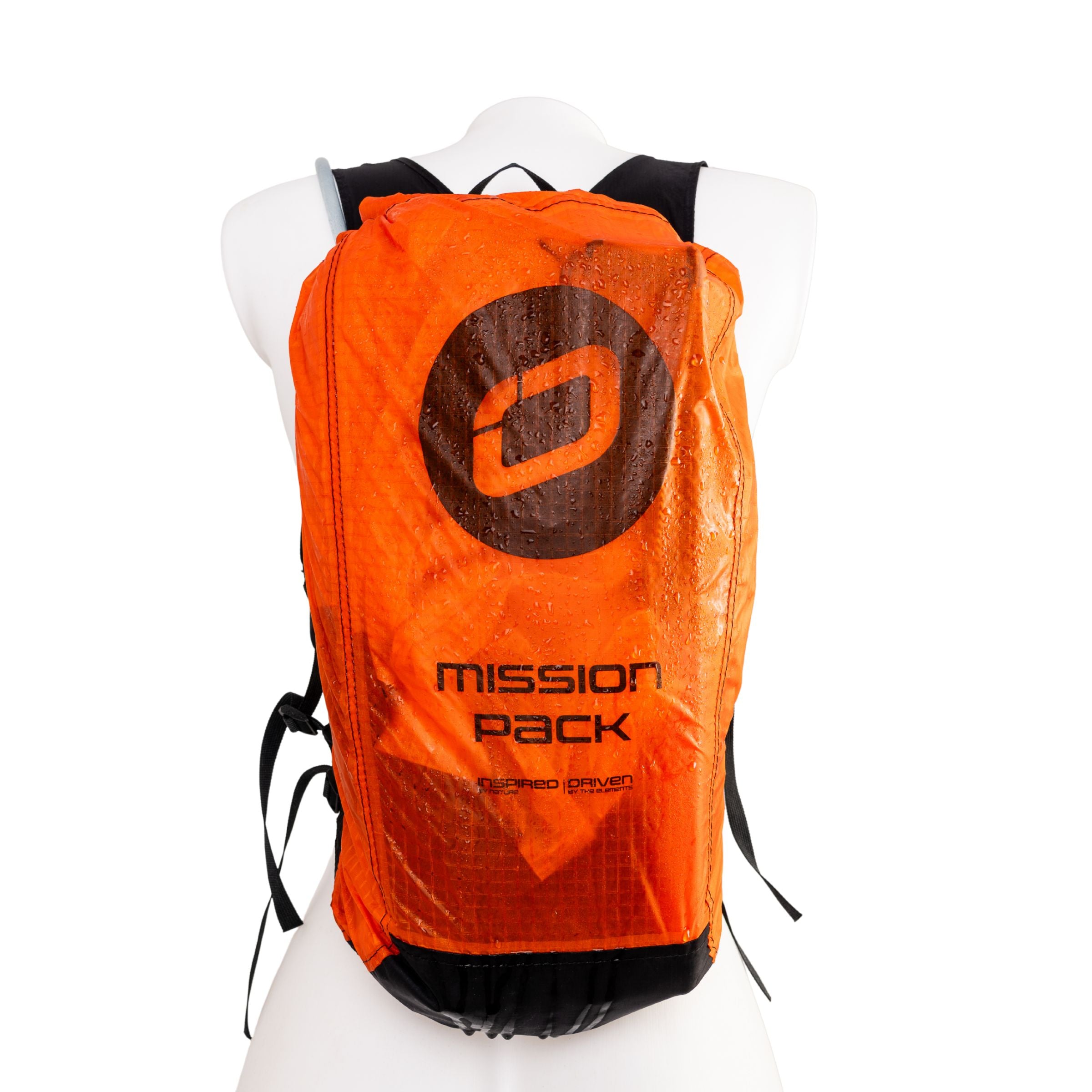
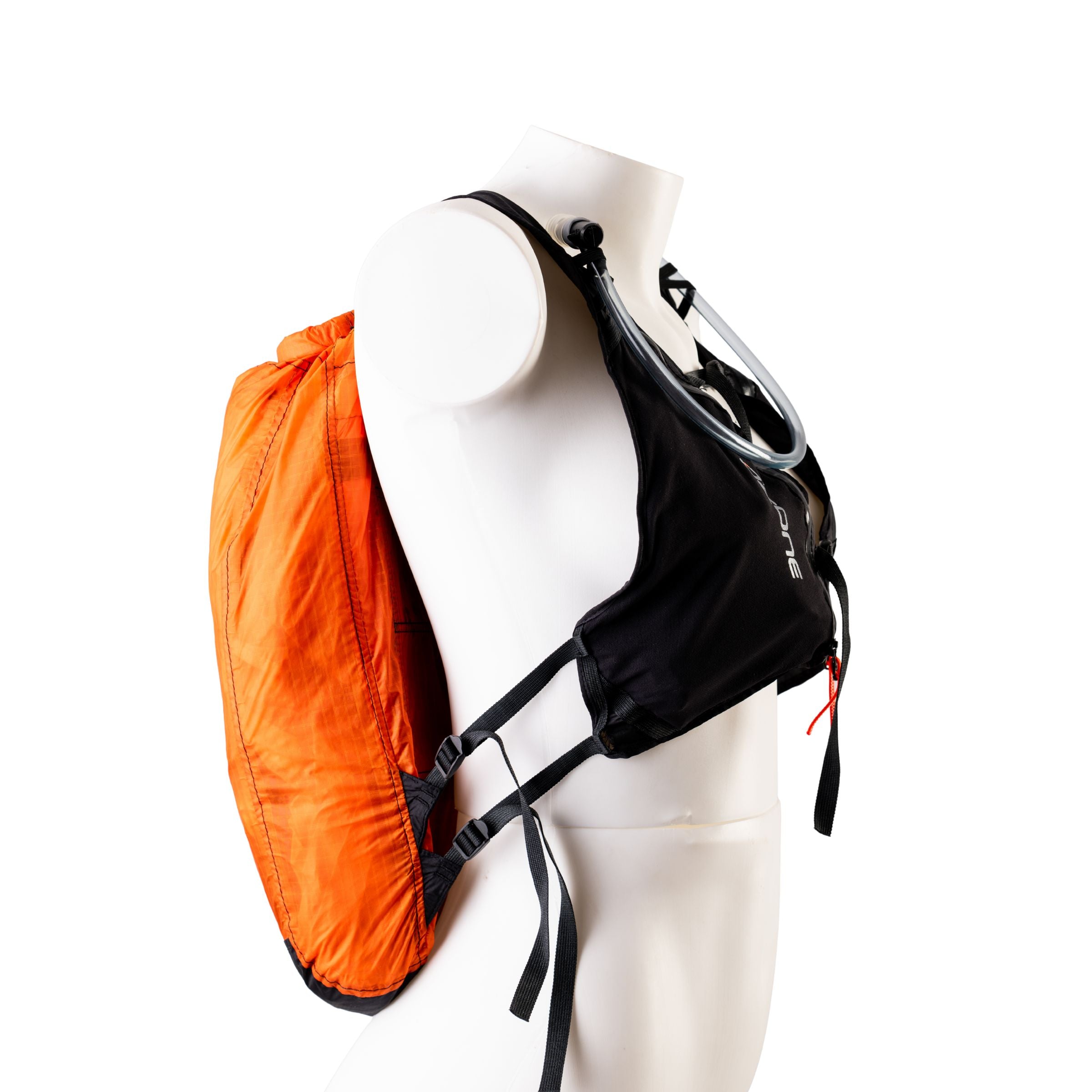
Foil Hands-Free. No Wing, No Paddle.
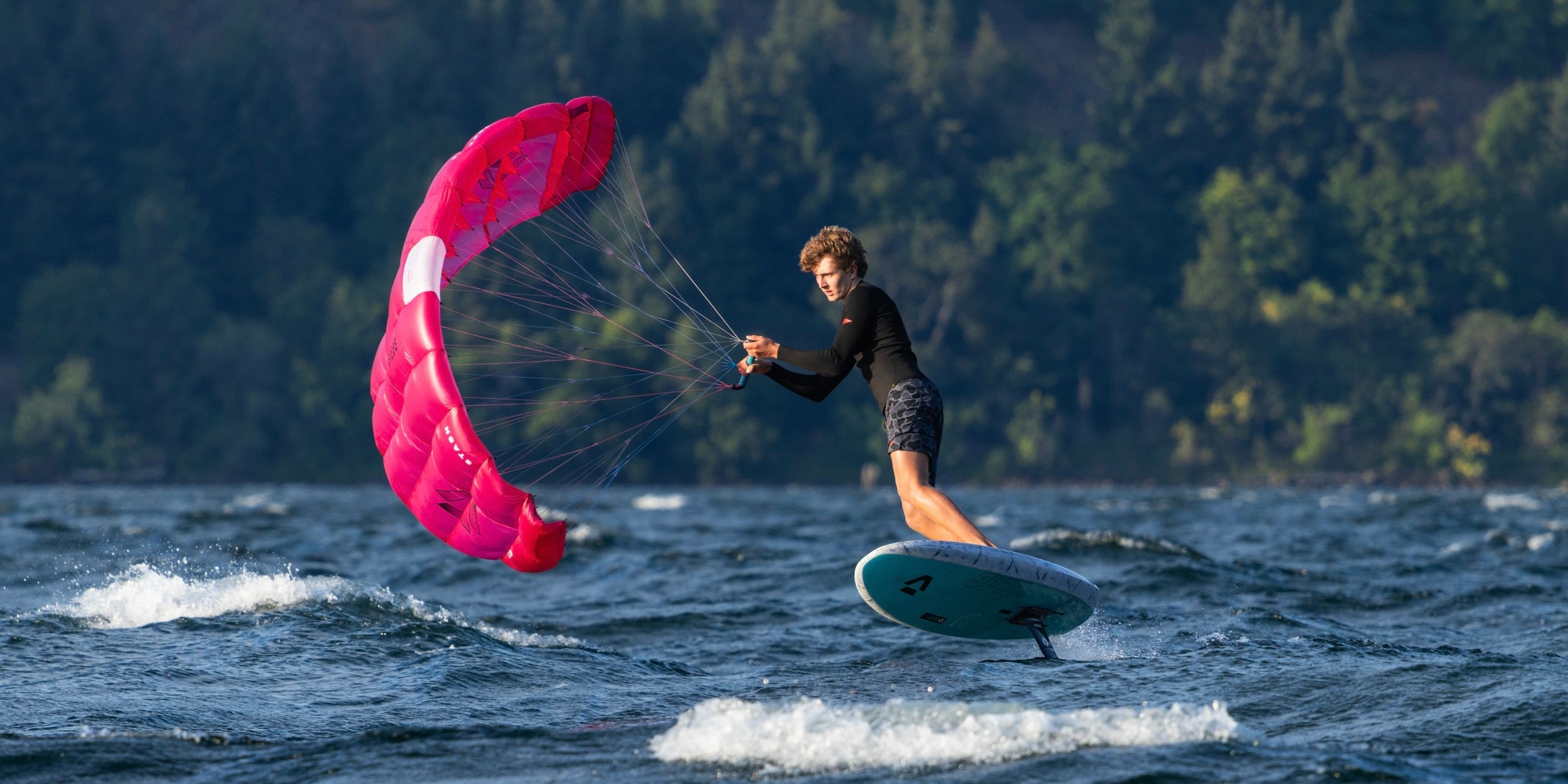
Get up on foil with the wind. Stash the wing. Ride the swell with nothing in your hands. Parawinging is the purest form of foiling – and it changes everything.
What Is a Parawing?
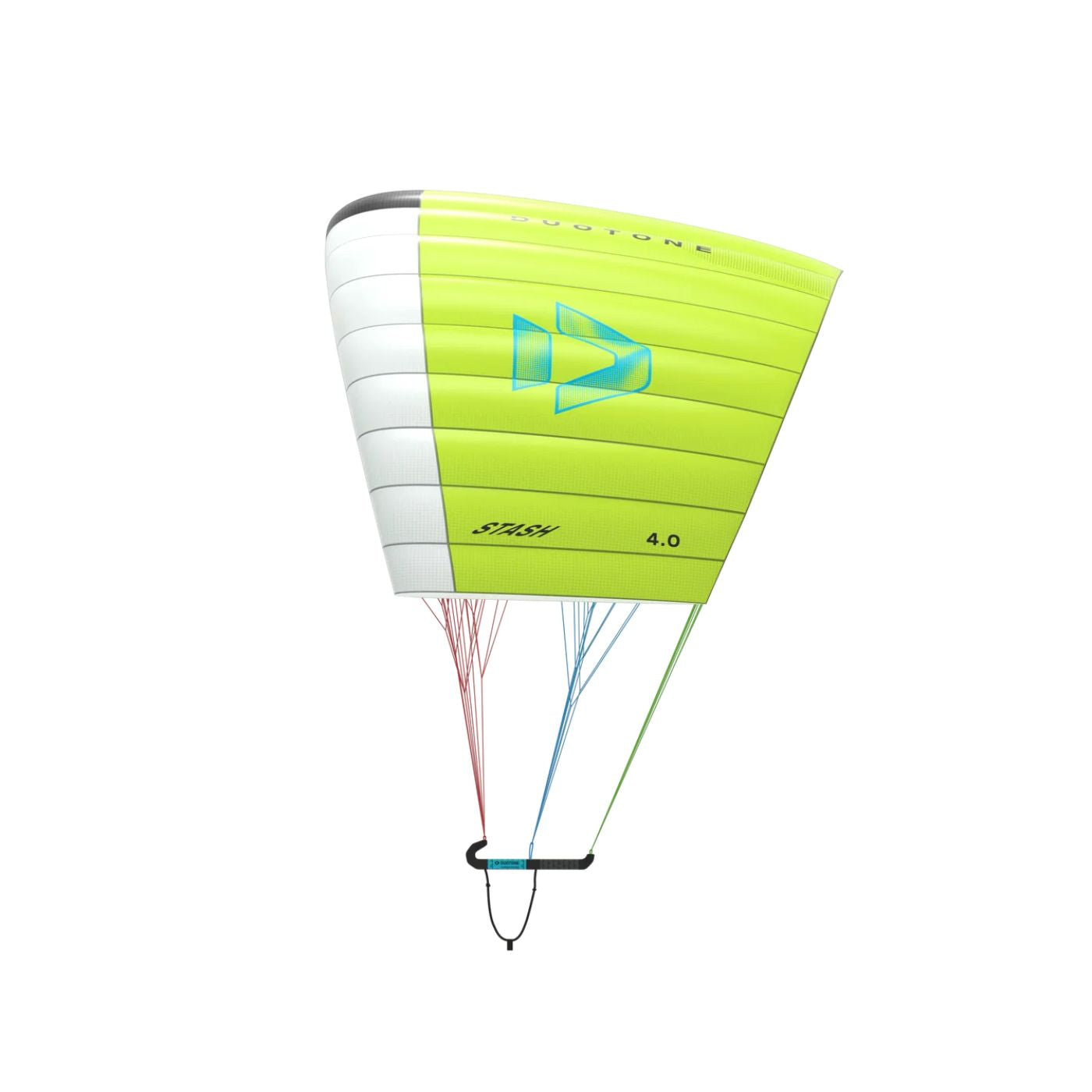
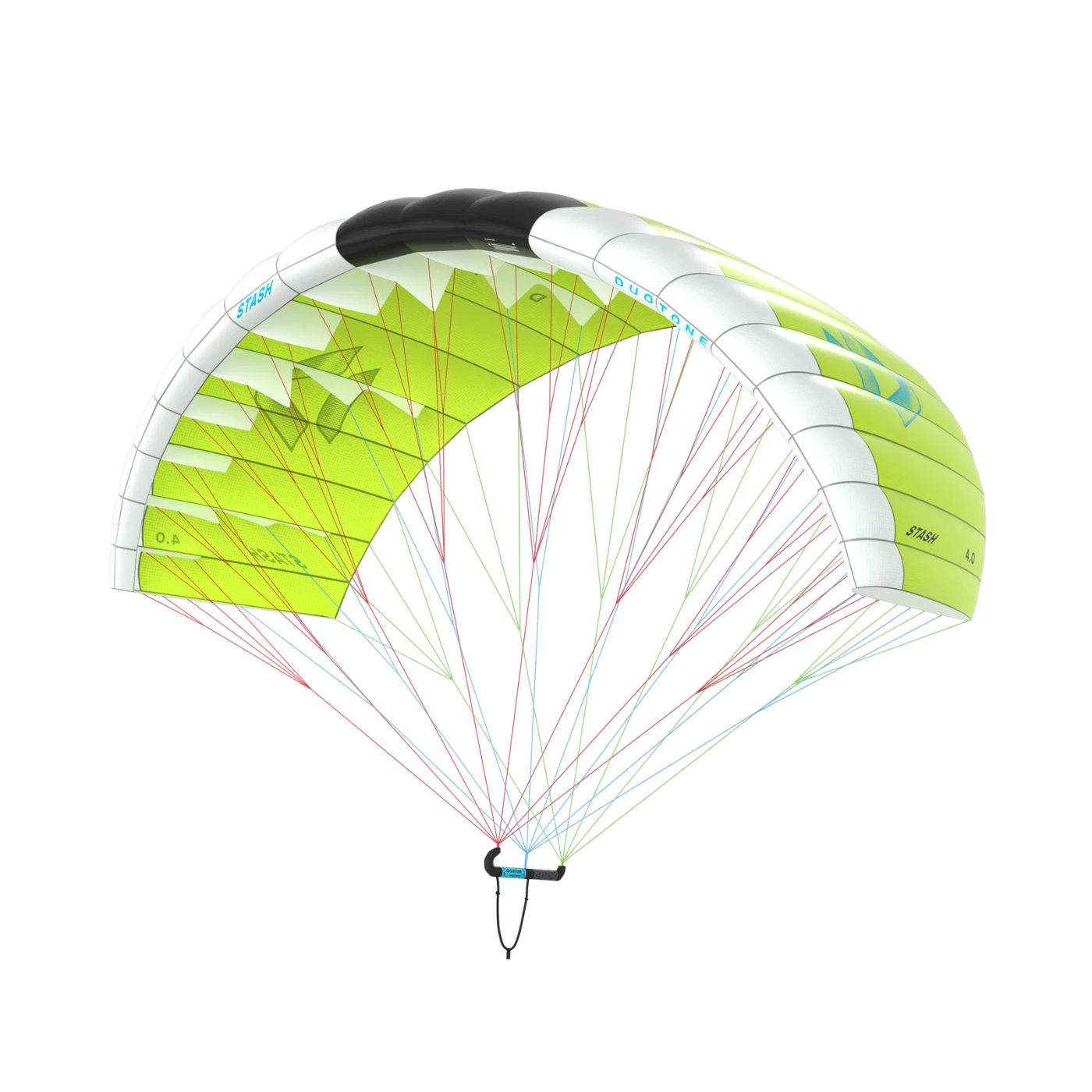
A parawing is a compact, single-skin canopy flown on short bridle lines with a control bar. You hold it in front of you on takeoff – it generates drive, gets you up on foil, and then you stash it. No inflatable struts, no pumping, no bulk.
Unlike a wing foil, the parawing doesn't stay in your hands while you ride. Unlike SUP downwinding, you don't need a paddle to get up on foil every time. Just wind, foil, and open water.
Parawing vs Wing Foil vs SUP Downwind
Wing foiling gives you immediate power and control – but the wing is always in your hands. On a wave, when you don't need it, it gets in the way.
SUP downwinding gives you hands-free riding on swell – but requires a bigger board, bigger foil, and serious physical effort on every single takeoff.
A parawing gives you both: an easier takeoff than SUP downwinding, followed by completely hands-free foiling on waves and swell. No wing to manage, no paddle required.
| Parawing | Wing Foil | SUP Downwind | |
|---|---|---|---|
| Takeoff | Easy | Easy | Demanding |
| Hands free while foiling | Yes | No | Yes |
| Freedom on a wave | Excellent | Limited | Good |
| Physical effort | Moderate | Moderate | High |
| Gear size | Most compact | Compact | Larger board/foil |
| Entry level | Challenging | Accessible | Demanding |
How to Choose the Right Parawing
Parawings differ in construction, canopy size, bridle geometry and intended use. For experienced foilers, these are meaningful differences – not just spec sheet details. Here's what matters before you buy.
Single Skin vs Double Skin Wingtips
Most parawings on the market use a pure single-skin construction – one layer of canopy material with no inflatable elements. The result is minimal weight, a tiny pack size, and fast drying after a dunking. The tradeoff: single-skin canopies can be more demanding to fly at higher angles of attack or in gusty conditions.
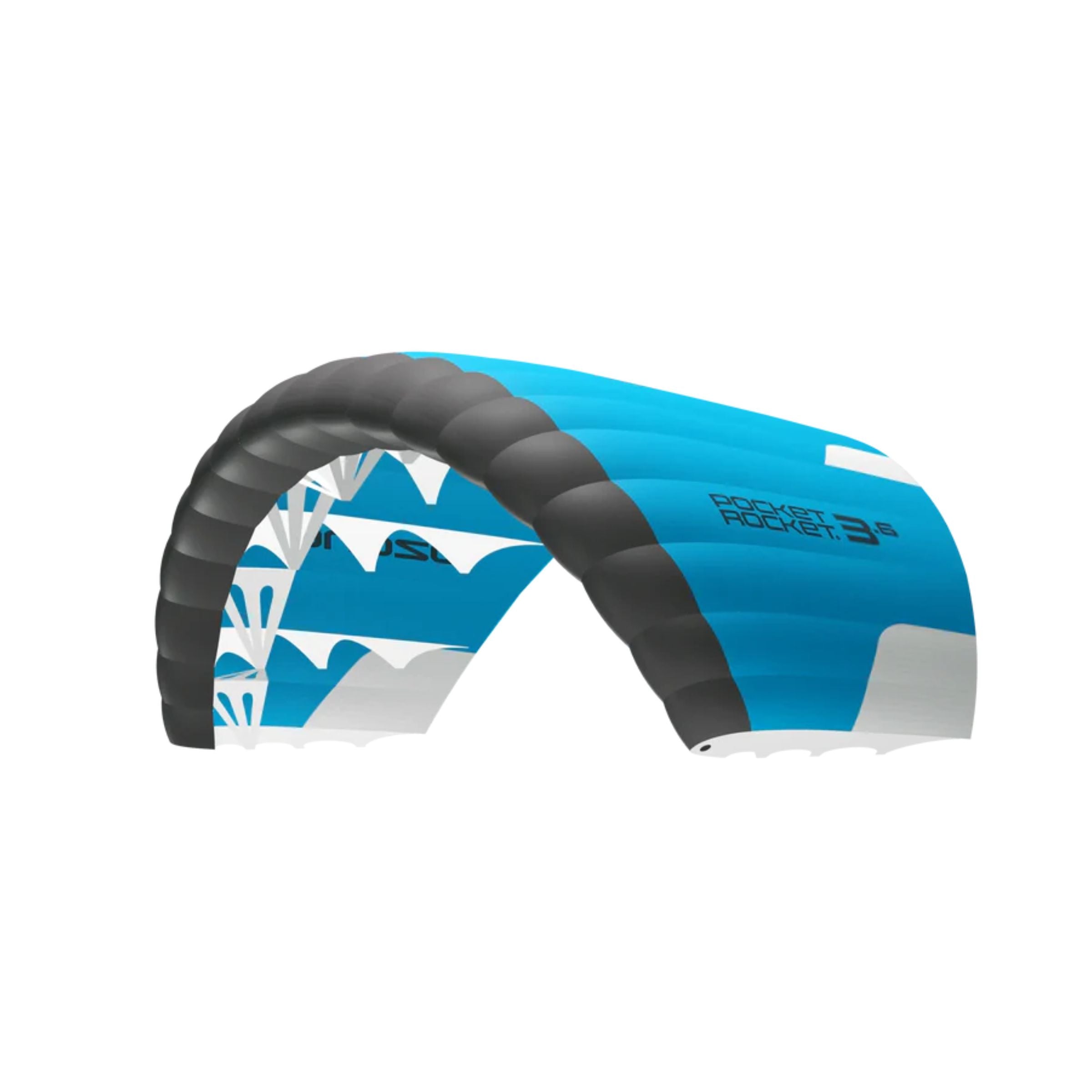
Some designs take a hybrid approach: single-skin body with double-skin wingtips. The closed-cell tips hold their shape in all conditions, resist collapsing in gusts, and deliver more consistent flight across a wider wind range. If you're riding in variable conditions, the added stability of double-skin tips is a genuine advantage.
Canopy Size – How Many Square Metres Do You Need?
Size determines drive and wind range. Unlike an inflatable wing that covers a wide range in one model, a parawing is more specific – most sizes have a sweet spot of roughly 3–4 knots either side of their recommended wind strength.
| Canopy size | Best for | Wind range (approx. 80 kg) |
|---|---|---|
| 1.9 – 2.4 m² | Experienced riders, high-speed riding | 25 – 35 kn |
| 3.0 – 3.6 m² | All-round, downwind + surf | 18 – 28 kn |
| 4.3 – 5.0 m² | Lighter winds, heavier riders | 12 – 20 kn |
General rule: size up more than you think you need. An undersized parawing in light wind means no takeoff. An oversized one in strong wind is manageable with depower. The opposite doesn't work.
Bridle Lines and Line Set Quality
The line set is one of the most important – and most overlooked – parts of a parawing setup. Thinner lines reduce drag and fly better in light wind, but tangle more easily. Thicker, sheathed lines with low tangle behaviour are better suited to dynamic riding with multiple stash-and-refly cycles per session.
Colour-coded line sets aren't a marketing detail – they're a functional necessity. After a dunking and a redeploy, you need to sort your lines fast, often with one hand while standing on a moving board. If that process is slow or confusing, you lose the wave.
Carbon Bar – Why It Matters
A stiff carbon bar isn't a luxury upgrade – it directly affects canopy profile. A soft or flexing bar distorts the wing's geometry mid-flight and reduces efficiency. Ergonomics matter equally: you're gripping the bar during takeoff, through jibes, and every redeployment. A well-designed carbon bar with a contoured grip reduces fatigue significantly across a full session.
Upwind Performance
One of the most significant advantages parawings have over traditional SUP downwinding is genuine upwind capability. With the right technique and setup, you can work back upwind to position for a wave, tack across the wind, or return to your starting point without paddling. Upwind performance varies considerably between models and sizes – higher aspect ratio canopies with optimised bridle geometry typically deliver better upwind angles. If riding downwind corridors and repositioning independently matters to you, upwind performance is a key spec to check.
Harness Line Connection
Most modern parawings support a harness line attachment directly to the control bar. Hooking in transfers load from your arms to your body, reducing fatigue significantly on longer sessions and in stronger winds. If you're planning extended downwind runs or actively working upwind, harness compatibility is worth factoring into your buying decision.
Canopy Material and Durability
Material quality determines how well a parawing holds up to salt water, UV exposure and repeated mechanical stress. Look for ultra-light paragliding ripstop or double ripstop nylon with reinforced seams at high-load attachment points. Don't confuse light with fragile – modern paragliding ripstop at 30g/m² is engineered for far higher loads than a parawing ever experiences in normal use. What degrades canopies faster than riding is improper storage and prolonged sun exposure.
Downwind or Wave Riding?
Some parawings are built for downwind running – consistent drive, stable flight on long straight lines, wide wind range. Others are optimised for wave riding, where fast and reliable depower after takeoff matters more than sustained pull. Most current models cover both, but with different tradeoffs in each direction. Check the intended use case in each product's specs – it tells you where the designer made their compromises.
Not sure which parawing is right for your weight, foil setup and home conditions? Get in touch.