

SUP Boards
Filters
28 products
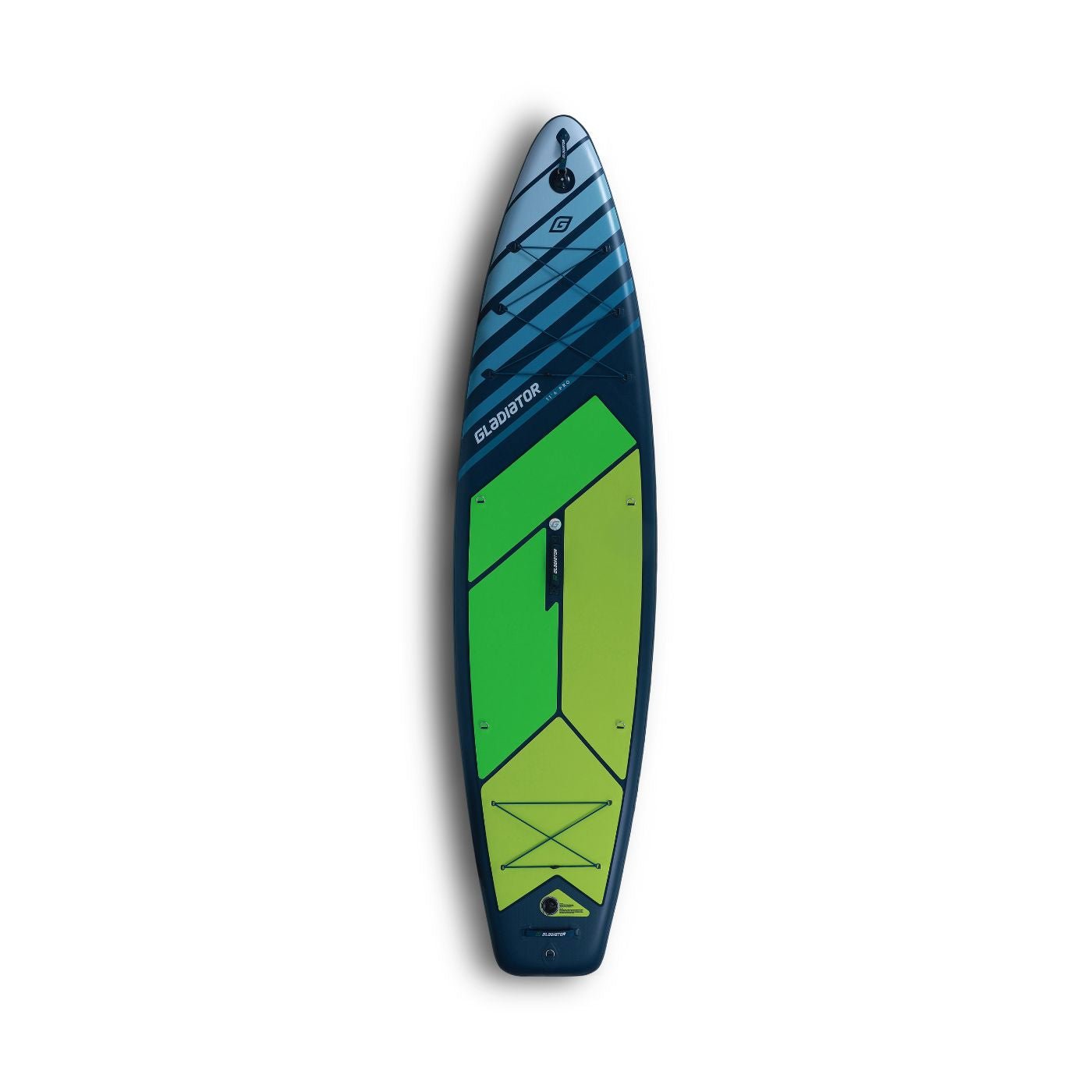
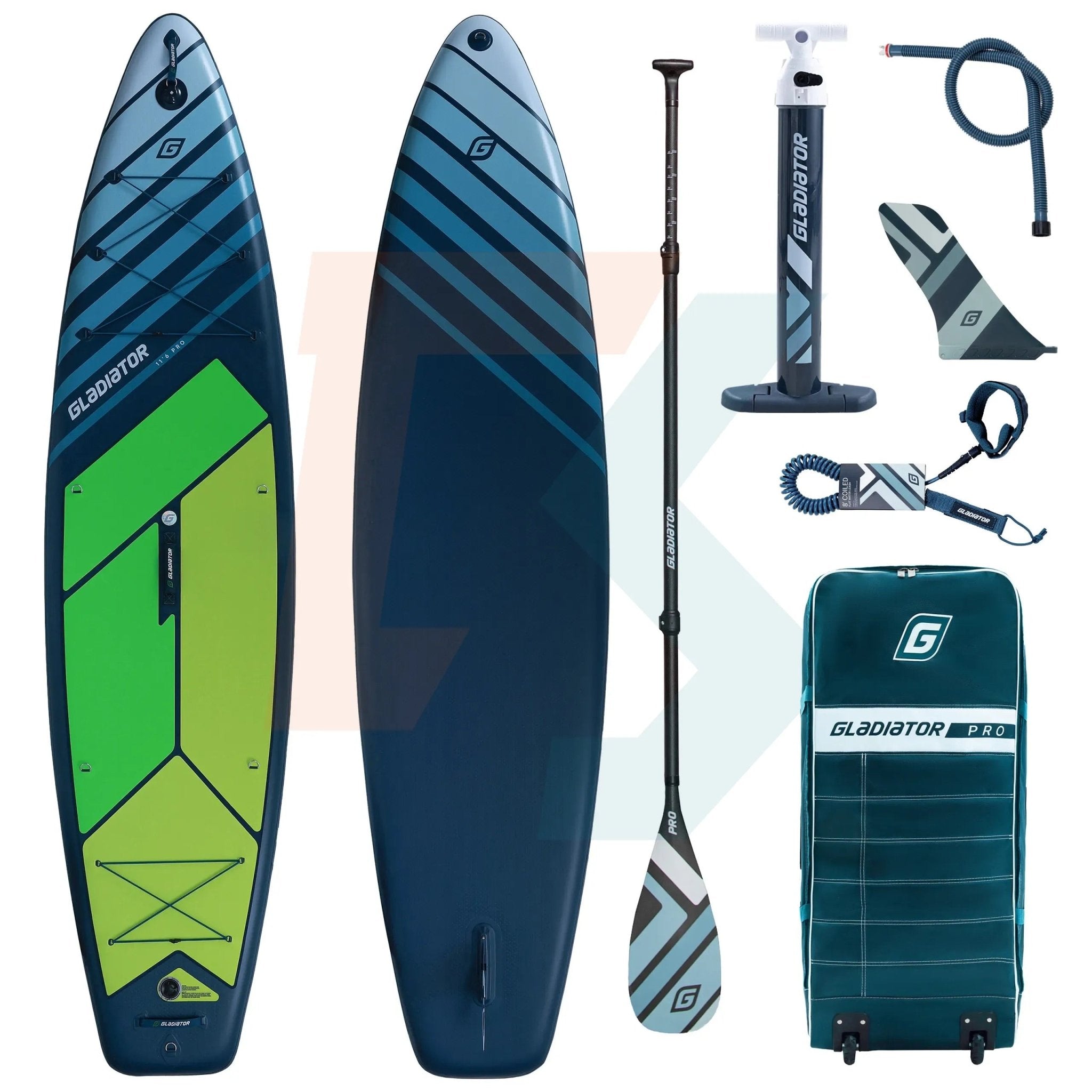
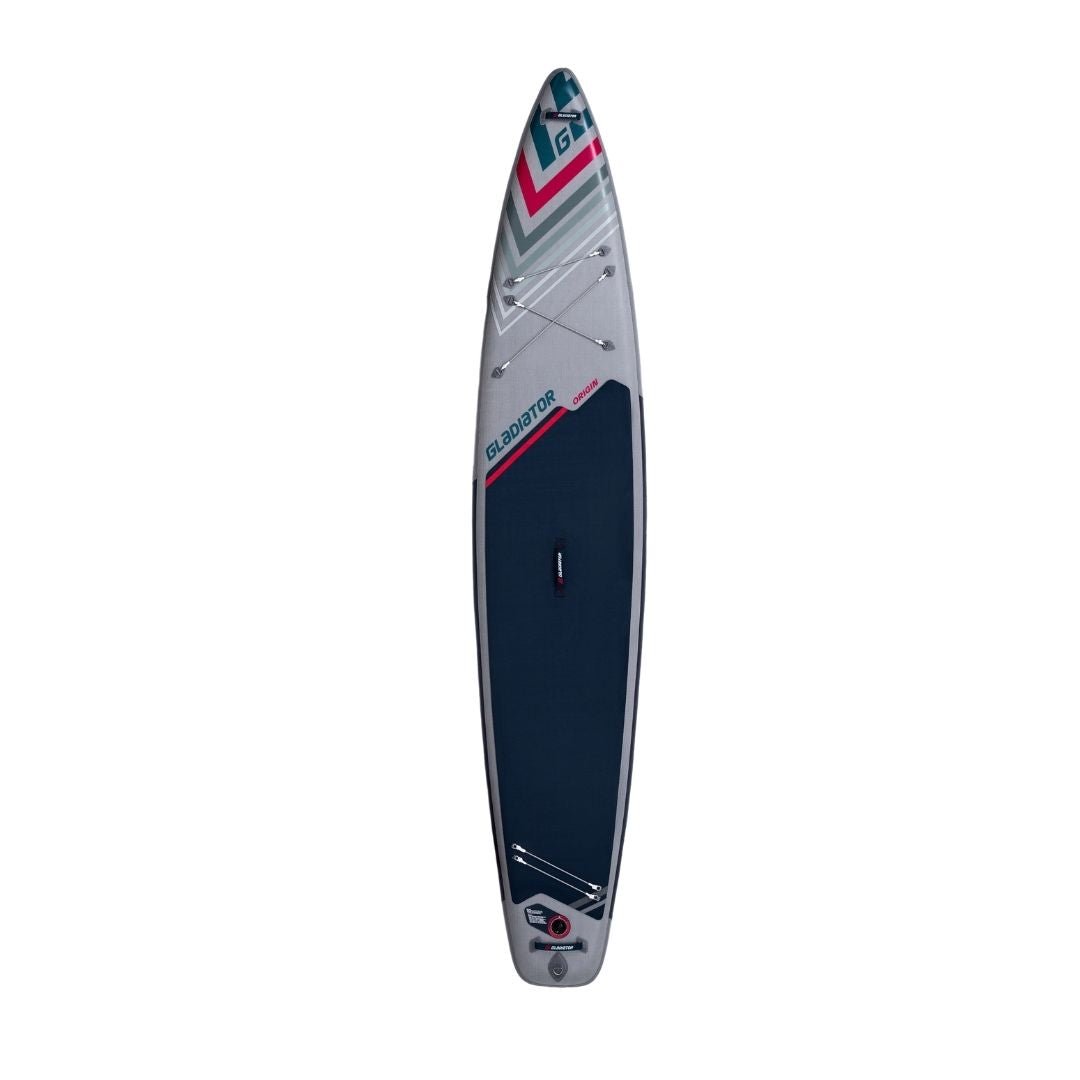
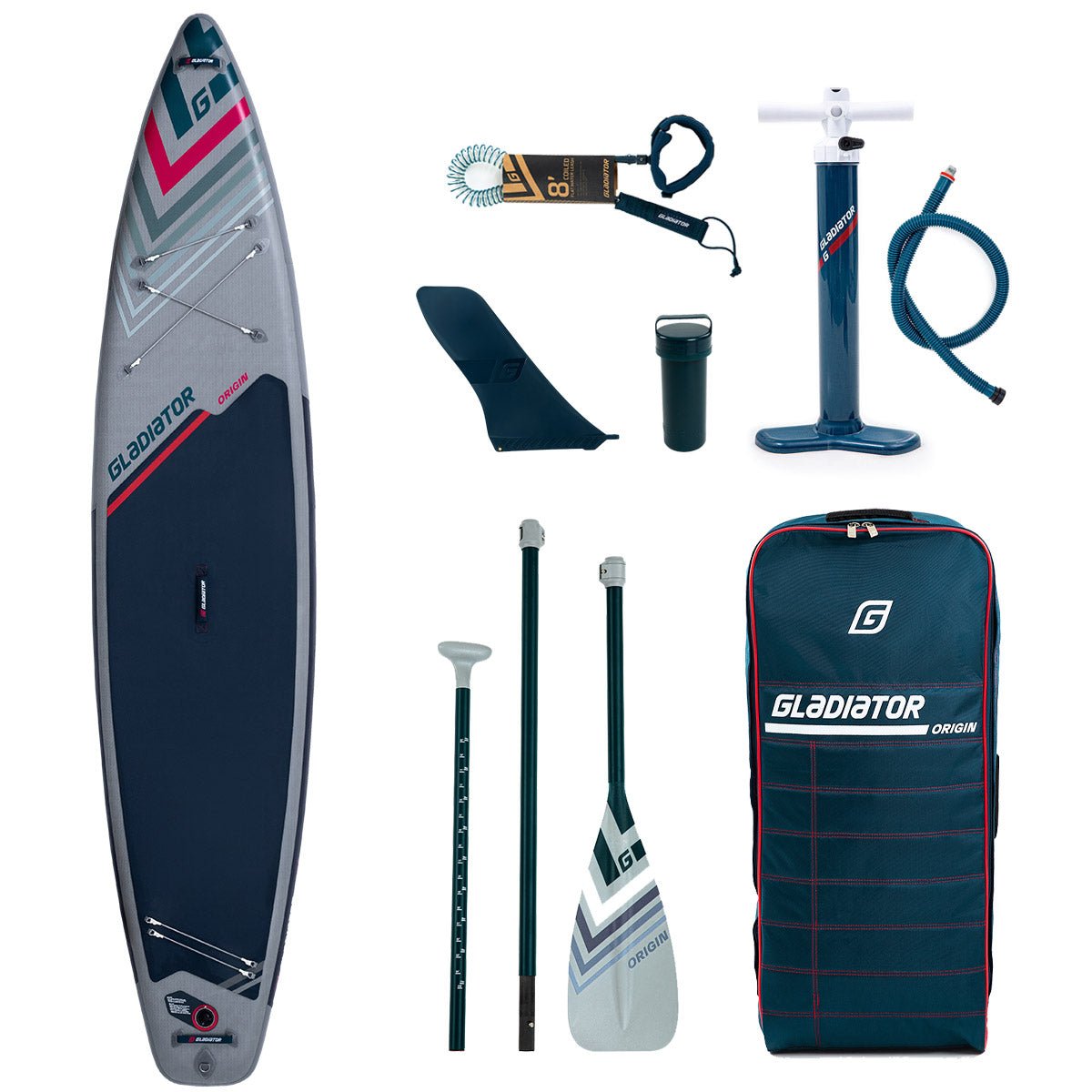


Interpretation of SUP Board Specifications
A SUP board is a large flotation board that you stand on and paddle across the sea, lakes, or rivers using a paddle. Today, 99% of SUP boards on the market are inflatable, as modern manufacturing technologies allow for excellent rigidity, stability, and durability, while also making them easier to transport, store, and use.
Although inflatable SUP boards may look very similar at first glance, the differences between them can be significant. They vary in shape, dimensions (length, width, thickness), volume, and most importantly in construction method and technology. These factors directly affect stability, speed, tracking, and how the board performs in wind and waves.
Even a few centimeters of difference can result in a completely different feeling on the water.
Inflatable SUP – Why It’s the Best Choice Today
Inflatable SUP boards are now the first choice for most paddlers. High-quality inflatable SUPs can handle high pressures, making them stable, rigid, and comparable in feel to hard boards—while being far more practical.
Main advantages of inflatable SUP boards:
- Easy transport and storage
- Excellent rigidity and stability
- Suitable for beginners, families, and experienced paddlers
- Versatile use on the sea, lakes, and rivers
- Ideal for travel and holidays
The key difference between inflatable SUP boards is not that they are inflatable, but how they are built—material quality, drop-stitch core density, layer fusion technology, and final rigidity.
SUP Board Technology – Why It Matters?
The construction technology significantly impacts:
- Board rigidity
- Stability on the water
- Performance in wind and waves
- Durability and lifespan
Based on construction, SUP boards can be divided into several main categories:
- Single-layer SUPs
- Reinforced single-layer SUPs
- Double-layer glued SUPs
- Double-layer laminated SUPs
- MSL construction
- Dual-chamber SUPs
- Pact technology (compact foldability)
Key point: Two SUP boards with nearly identical dimensions can perform completely differently if their construction differs.
Higher-quality boards use advanced constructions that allow higher pressures, less flex, and better energy transfer while paddling. The difference becomes especially noticeable over longer distances, with heavier riders, or in more demanding sea conditions.
Drop-Stitch Core and Board Rigidity
The density and quality of the drop-stitch core determine:
- How well the board inflates
- How rigid it is
- How much it flexes under weight
A denser core means greater rigidity and less energy loss, which is crucial for longer tours, windy conditions, and heavier loads.
A board that flexes too much is slower, less stable, and requires more energy. Rigidity affects not only speed but also safety, balance, and comfort—especially during longer trips or on choppy water.
SUP Board Shape and Intended Use
The shape of a SUP board directly determines how it performs and who it is designed for:
- Shorter, wider, and more rounded boards are more stable and ideal for relaxed paddling
- Longer and narrower boards track better and are faster
- Tapered tails increase speed but reduce stability
- Tail width is often just as important as the width at the center
For easier orientation, SUP boards can be grouped into:
Family & Beginner SUPs – Stable, versatile boards suitable for most people. Predictable and forgiving.
Touring SUPs – Designed for medium to long distances, offering more efficient paddling and better tracking. They are faster but still stable enough for comfort and control, often featuring a wider, stable tail.
Fast / Race SUPs – Built for maximum speed. Typically narrower and less stable, suitable for fitness training and technical paddling rather than relaxed cruising.
Kids’ SUPs – Adapted to children’s weight and size. An oversized board is unnecessarily bulky and tiring for a child.
Multi-person SUPs – Higher volume and weight capacity, allowing two people to paddle together.
Used SUPs – Tested boards used in demos and courses, available at a more affordable price.
What Do SUP Board Labels Mean?
Every SUP board is marked with a brand, model name, and dimensions, for example: Red Paddle Co Ride 10’6.
In SUP terminology, standardized imperial measurements are used:
- Length is expressed in feet (’)
- Width and thickness in inches (’’)
For example:
Ride 10’6 has a width of 32’’ and thickness of 4.7’’.
- 10’6 = 10 feet 6 inches (approx. 320 cm)
- 32’’ = 32 inches wide (approx. 81 cm)
- 4.7’’ = 4.7 inches thick (approx. 12 cm)
These markings are not just technical data—they directly indicate how the board will behave on the water and are among the most common questions when choosing a SUP board.
Dimension Ratios – Why Every Centimeter Matters
Length, width, and thickness together determine speed, stability, and buoyancy. Even small differences can completely change a board’s character:
- Stability
- Tracking
- Glide efficiency
- Behavior in wind and waves
Length
Length determines glide speed. Shorter boards are slower but more maneuverable; longer boards are faster and better for longer distances. Nose rocker also matters—too much rocker shortens the effective waterline and reduces speed.
Width
Width determines stability. Wider boards are more stable but slower; narrower boards are faster but more demanding.
For all-around boards, a stable width range is typically 32’’–34’’ (81–86 cm). Wider boards may seem stable in theory but can feel slow and difficult to track.
Touring boards are often narrower (30’’–32’’), gaining stability from additional length and refined proportions.
Important: Don’t only look at the width in the middle. Tail width can be just as important. A board that is wide in the center but heavily tapered at the tail may feel less stable than one with a fuller tail shape.
Thickness and Volume
SUP boards are typically 12 cm or 15 cm thick.
A 12 cm thickness is often more optimal because it lowers the center of gravity and increases connection with the water surface, improving stability. However, this requires advanced construction technology to maintain rigidity.
Manufacturers using basic single-layer construction cannot achieve sufficient rigidity at 12 cm thickness, so single-layer boards are usually 15 cm thick.
Thickness directly impacts volume. Greater thickness increases volume significantly. More volume increases weight capacity and stability but can reduce control and board feel (more wind influence, less precision in choppy water, bulkier handling).
The goal is not maximum volume—but optimal volume for your weight and intended use.
Weight Capacity and Optimal Rider Weight
Weight capacity indicates the maximum load a board can support. Optimal rider weight refers to the weight at which the board performs best.
A board can carry more than its optimal weight, but this increases drag, reduces stability, and worsens handling.
Example: A 100 kg rider can stand on a board designed for 90 kg, but the board will sit deeper in the water, create more resistance, and feel less stable.
As a rough guideline: if a board has a 150 kg weight capacity, it is typically best suited for a rider around 75 kg (depending on shape and technology).
SUP Board Price and Quality Differences
Price differences are not random. They depend on:
- Construction technology
- Material quality
- Rigidity and durability
- Included accessories
- Warranty and manufacturer support
More affordable boards may be suitable for occasional use, while premium models offer better performance, greater stability, and longer lifespan. The differences become most noticeable in demanding conditions and over longer use.